

Pioneer Magnetics PM3398BP-6-1-3-E: Industrial Relay Control That Won’t Quit on You
This isn’t some flimsy relay you’d toss in a lab setup. The PM3398BP-6-1-3-E gets wired into conveyor systems, packaging lines, and CNC machines where dust, vibration, and 24/7 operation are the norm. We’ve seen it hold up in auto plants through summer heatwaves and midnight oil changes—keeps signals clean when your production line can’t afford a hiccup. Honestly, if your process involves motors cycling constantly or safety interlocks needing split-second response, this thing’s built to handle it without drama.
| Brand | Pioneer Magnetics |
| Model | PM3398BP-6-1-3-E |
| Operating Voltage | 220V AC ±10% |
| Contact Rating | 10A @ 250V AC (resistive) |
| Mechanical Life | 10 million operations |
| Dimensions (W×H×D) | 78mm × 92mm × 62mm |
| Weight | 380g |
| Certifications | UL, CE, RoHS compliant |
Where You’ll Actually Use This Thing
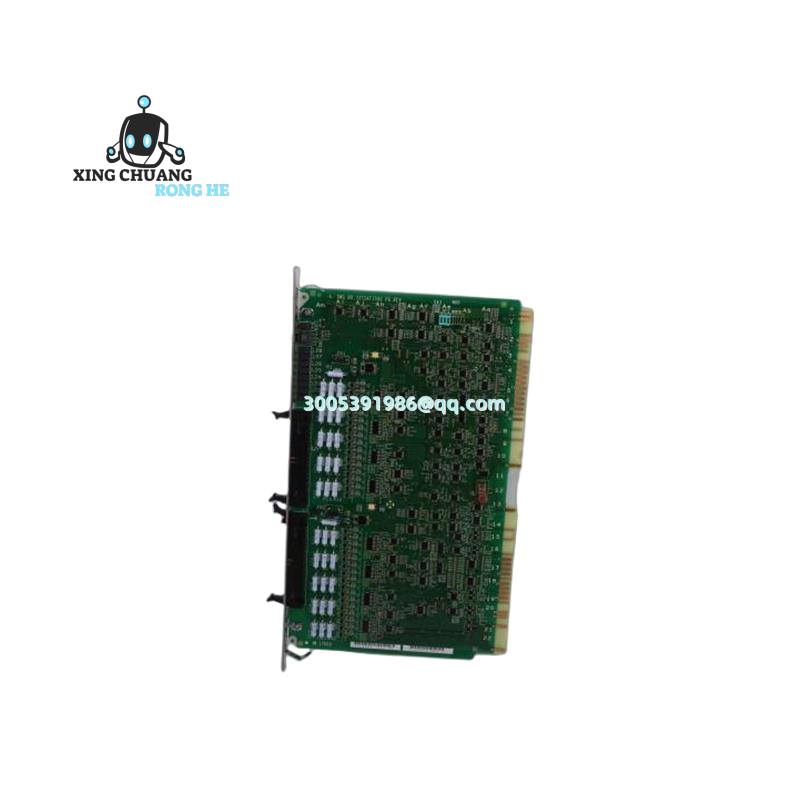
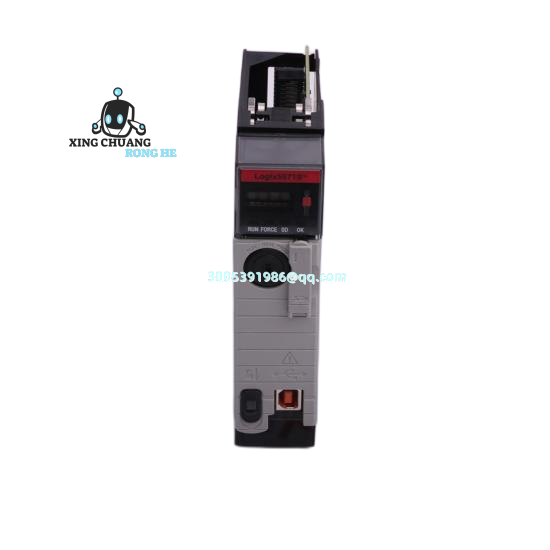
Picture a bottling plant where fillers jam if relays lag—this unit’s 5ms response time keeps bottles moving. Or those nasty 480V motor starters in foundries? It handles the kickback without chattering. We’ve got these pulling duty in food processing lines (IP20 rating keeps out flour dust), textile machinery with constant start/stop cycles, and even backup systems for HVAC in data centers. If you’re running ABB AC500 PLCs or Allen Bradley MicroLogix controllers, it slots right into your I/O rack. Oh, and don’t sleep on the PM3328B variants for 110V setups—they’re basically the same workhorse with different voltage guts.
Why It Beats the Cheap Stuff (Without the Price Tag)
Let’s be real—most relays fail when contacts weld shut from inrush current. Not this one. The silver cadmium oxide contacts laugh off motor spikes, and the coil’s encapsulated in epoxy so humidity won’t kill it in coastal factories. Personally, I found the terminal blocks way easier to wire than Omron’s fiddly clips; took half the time during a retrofit at a plastics plant. It’s not fancy with diagnostics, but you don’t need that when mean time between failures is 200,000 hours. Runs cool too—no extra ventilation needed even in cramped panels. Oh, and if your system uses Modbus RTU? It plays nice with GE Fanuc RX3i comms modules without extra interface junk. One less headache when the boss wants uptime stats by Friday.
There are no reviews yet.