

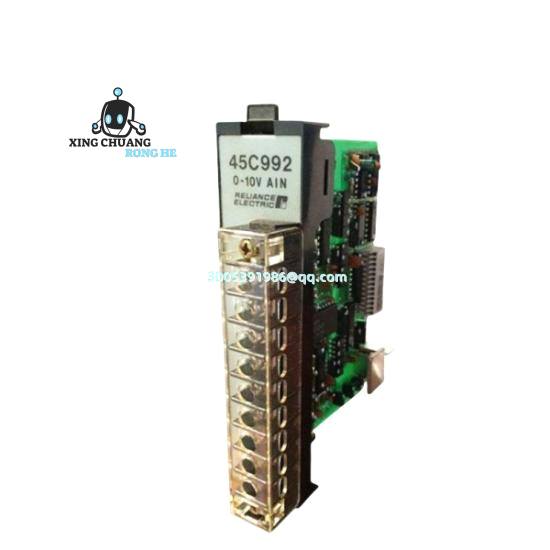
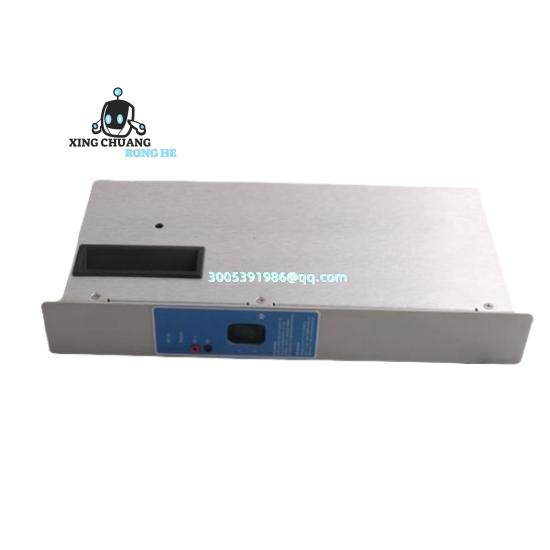
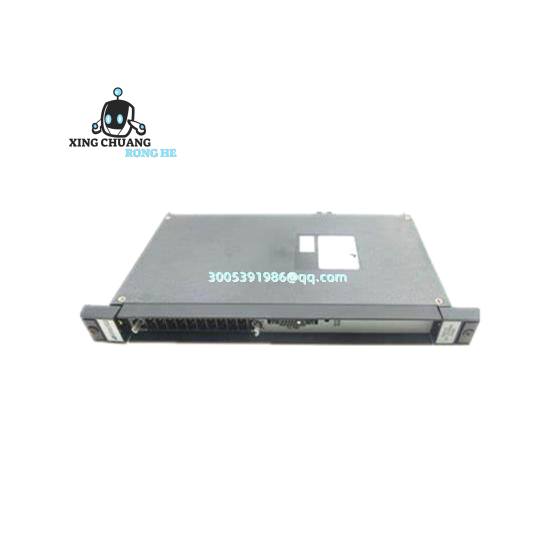
RELIANCE 45C992 Industrial Control Module: Your Production Line’s Quiet Workhorse
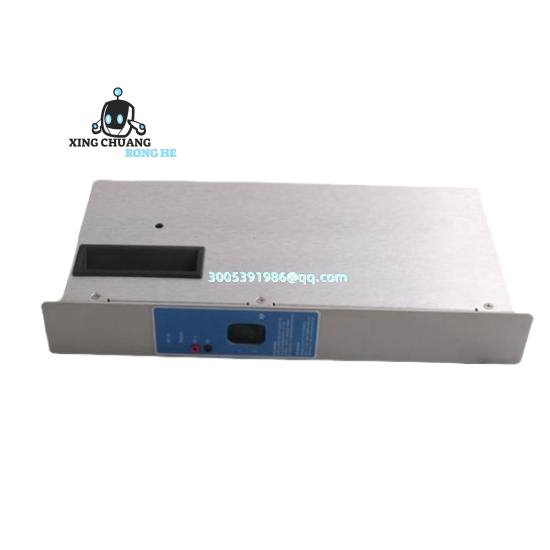
When humidity spikes or dust kicks up on the shop floor, this module just keeps humming. We’ve seen the 45C992 hold down the fort in Midwest auto plants running welding robots and Midwest bottling lines – basically anywhere you need a no-nonsense controller that won’t blink during shift changes. It’s not flashy, but when your conveyor jams at 2AM, you’ll appreciate how it keeps processes moving without calling for backup.
| Brand | RELIANCE |
| Model | 45C992 |
| Operating Voltage | 220 V AC (±10%) |
| Environmental Range | 0°C to 55°C / 20-90% non-condensing |
| Power Draw | Max 10 W (surprisingly low for its class) |
| Physical Profile | 100mm × 75mm × 35mm (DIN-rail friendly) |
| I/O Interfaces | Ethernet, RS-485, USB (for firmware only) |
Where It Pulls Its Weight
Last month, a plastics plant in Ohio swapped out failing legacy controllers on their extrusion lines with these – they needed something that could handle coolant splashes and still talk to their old Allen Bradley HMIs. The 45C992 fit like a glove. We regularly move these alongside RELIANCE’s 45C987 motion controllers and 45D003 power monitors for complete line retrofits. Honestly? It’s become our go-to for factories stuck with aging RELIANCE systems that can’t afford full SCADA overhauls. One maintenance lead told us: “Finally stopped carrying spare fuses for my control cabinet.”
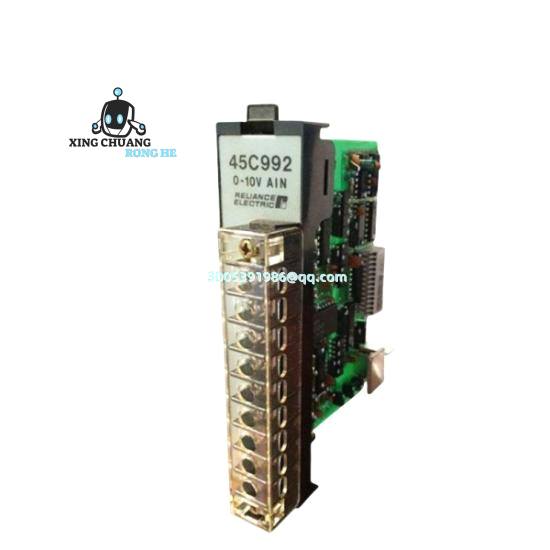
Why It Stays in the Game
That compact housing isn’t just for looks – it shrugs off vibration from nearby stamping presses better than bulkier units. The real magic’s in how it handles comms: dual Ethernet ports let you daisy-chain devices without choking network traffic, and the RS-485 port still talks Modbus to 20-year-old sensors nobody wants to replace. Personally, I’ve found the diagnostic LEDs more useful than fancy touchscreen interfaces when troubleshooting at 3AM; a solid red blink pattern means “check power supply ripple” before you even crack open the manual. It won’t win beauty contests next to modern PLCs, but when your priority’s uptime over aesthetics? This thing’s earned its spot on control panels from steel mills to food processing lines. Just don’t expect redundancy – it’s a single-point controller that thrives on simplicity.
There are no reviews yet.