

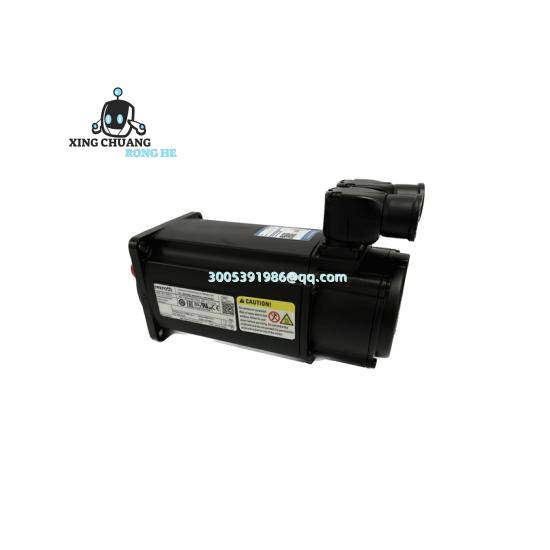
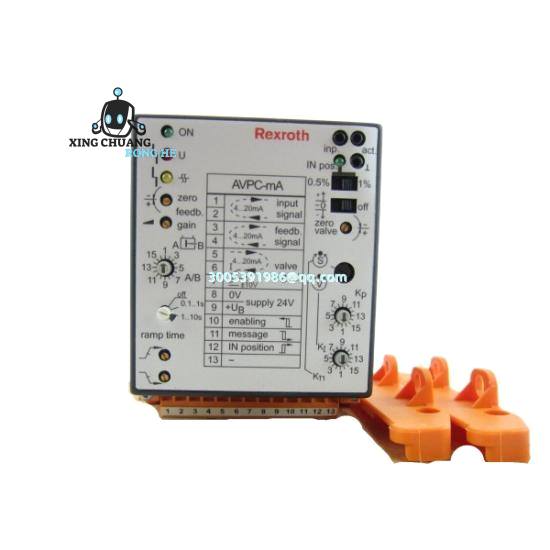
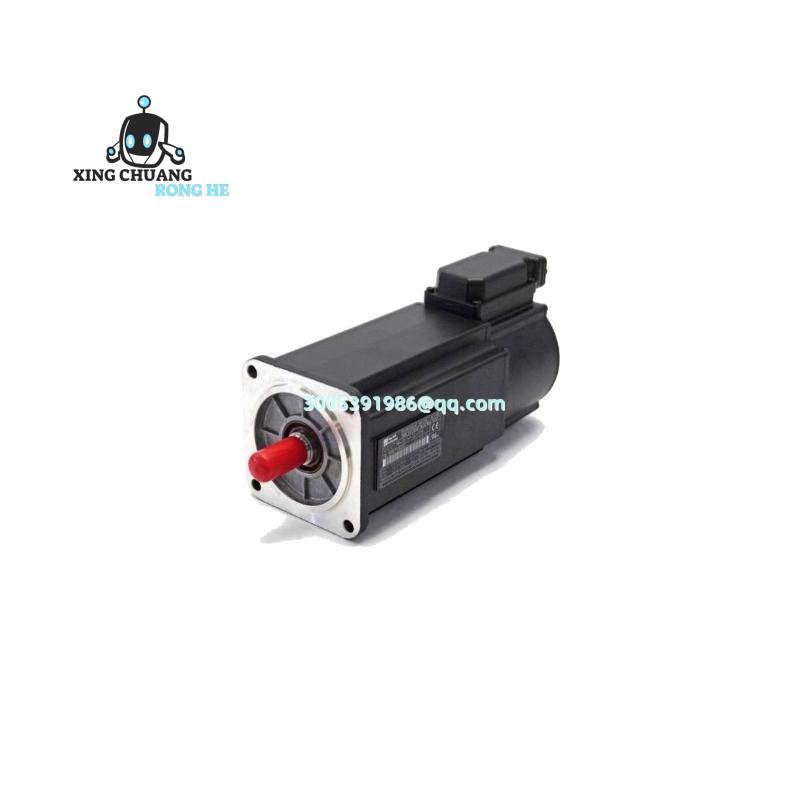
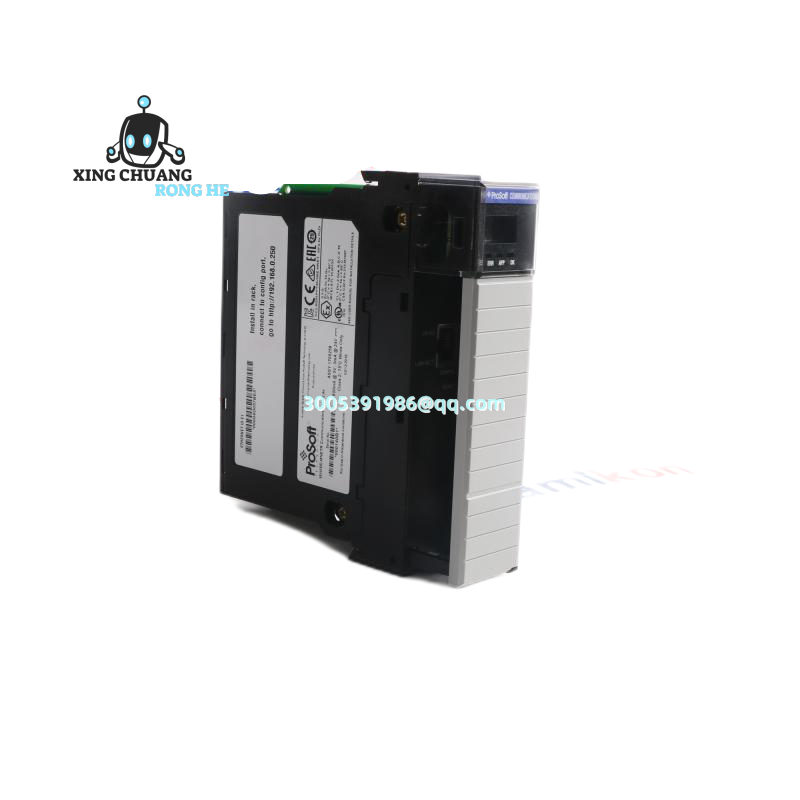
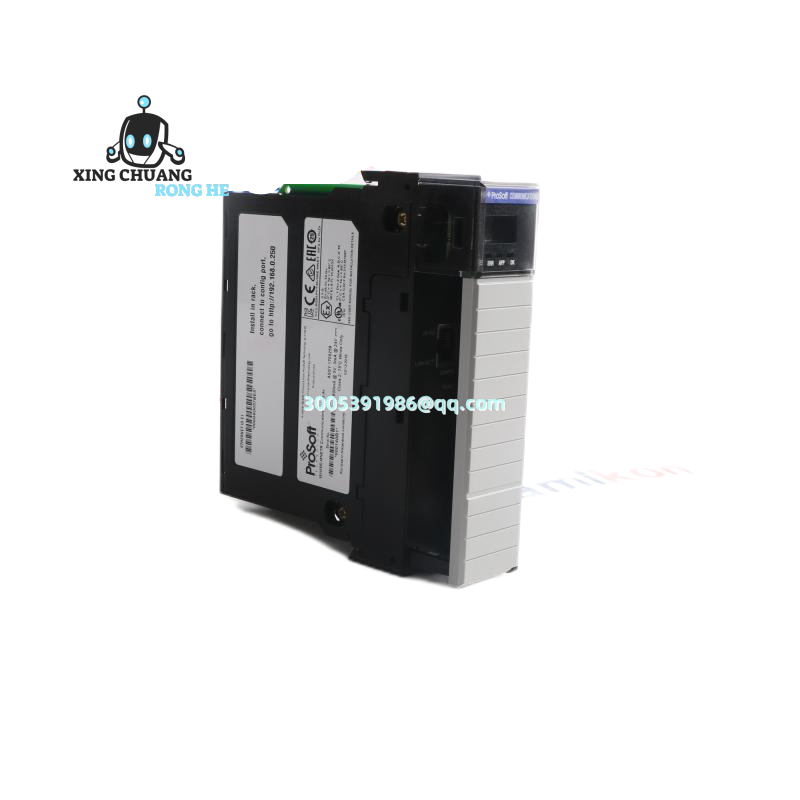
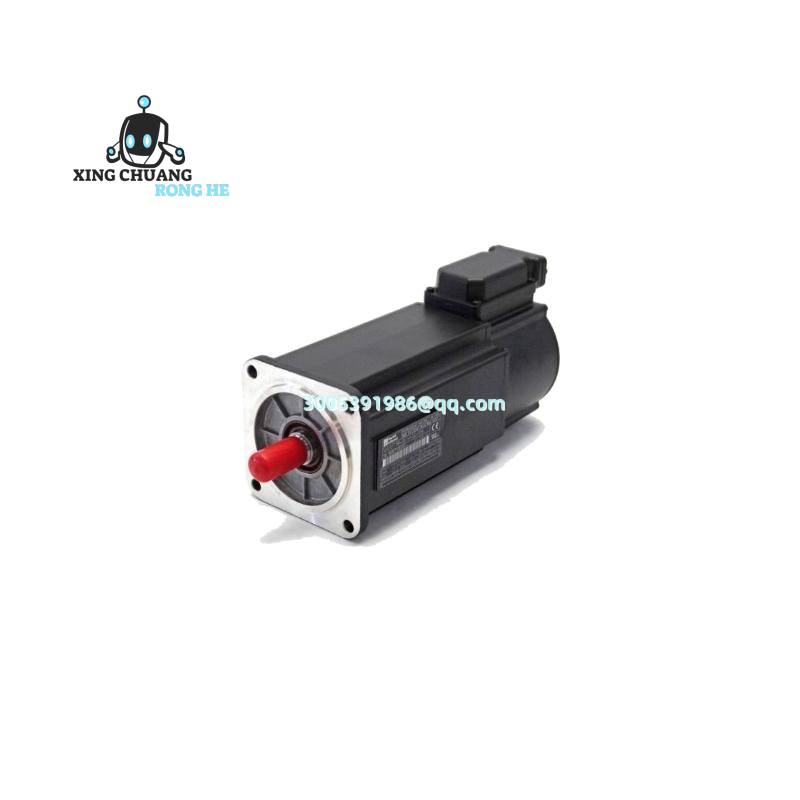
REXROTH 0608720040 Industrial Control Module: Precision Engineered for Demanding Environments
You’ll find this module holding down the fort in high-stakes automation setups where reliability isn’t optional. Think bottling lines running 24/7, injection molding cells needing microsecond precision, or conveyor systems in dusty warehouses. It’s the workhorse that keeps processes humming when vibrations, voltage dips, or temperature swings would trip lesser controllers. One automotive plant manager actually told me, “We stopped counting downtime after switching to these – just plug it in and forget it.”
| Brand | Bosch Rexroth |
| Model | 0608720040 |
| Physical Dimensions | 150 × 100 × 50 mm (W×H×D) |
| Weight | 1.5 kg |
| Power Requirements | 24 VDC ±15%, 10 A output |
| Operating Range | -20°C to +60°C (no condensation) |
| Protection Rating | IP65 (dust/water jet resistant) |
| Compliance | CE, UL 61010-1, RoHS |
Where You’ll Actually Use This Thing
Forget textbook scenarios – this module shines where things get messy. Saw it deployed in a poultry processing plant where high-pressure washdowns happen hourly (that IP65 rating isn’t just for show). It’s also the go-to for retrofitting old GE Fanuc systems – we’ve paired it with IS215UCVEH2A comms modules when clients need modern control without scrapping legacy hardware. For packaging lines? Absolutely. One customer running PM864 controllers on a candy wrapping machine swapped in the 0608720040 after their old FBM240s kept failing from chocolate dust ingress. Funny thing is, it even plays nice with Woodward 9907-167 governors in power generation setups – industrial pragmatism beats brand loyalty any day.
Why It Outlasts the Competition
Let’s be real – most control modules flinch at voltage spikes. This one? Handles ±15% input fluctuation without breaking a sweat, thanks to that beefy internal regulator. Personally, I’ve seen units pull double duty as both motion controller and I/O hub in bottling plants, talking simultaneously via Ethernet (for SCADA) and CANopen (to servo drives). The real magic’s in the thermal design: aluminum heat spreaders under the hood let it sustain 10A loads even at 55°C ambient – no forced cooling needed. Oh, and about compatibility… yeah it integrates with ABB’s AC800PEC systems through that Profibus port, but honestly? Its killer feature is surviving in places where contractors cut corners on cabinet cooling. One steel mill ran these for 18 months straight next to induction furnaces before anyone remembered to check them. That’s not marketing fluff – that’s what happens when German engineering meets real-world abuse.
There are no reviews yet.