

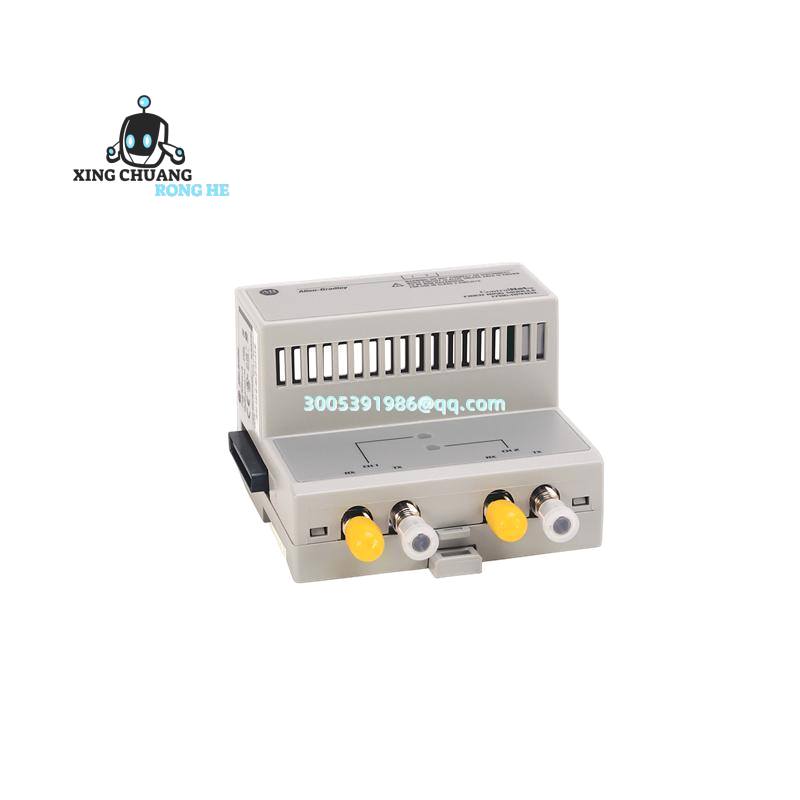
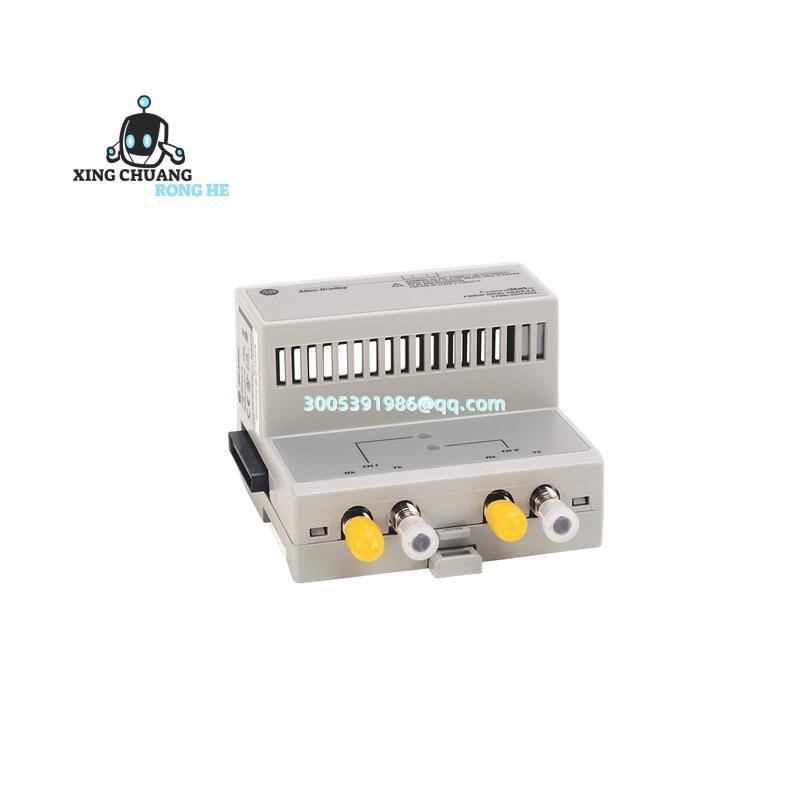
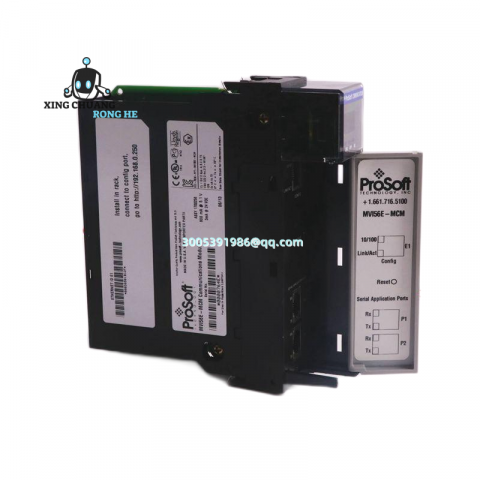
Rockwell Automation 1786-RPFRXL Flex I/O Remote I/O Module for ControlNet Systems
Handles remote I/O duties in gritty factory environments where wiring distances would make traditional setups messy. Think bottling plants with conveyor lines stretching 500+ feet, or automotive paint shops needing explosion-proof signal handling. This Flex I/O workhorse connects sensors and actuators back to your PLC over ControlNet—no extra gateways needed. Seen it keep assembly lines humming through midnight shifts where other modules tap out.
| Brand | Allen Bradley (Rockwell Automation) |
| Model | 1786-RPFRXL |
| Module Type | ControlNet Remote I/O Adapter |
| I/O Capacity | Up to 16 mix-signal channels (configurable) |
| Power Requirements | 24V DC ±15% (1.2A max) |
| Operating Temp | -40°C to +70°C (non-condensing) |
| Network Speed | 5 Mbps (ControlNet standard) |
| Physical | 120mm x 75mm x 45mm / 380g |
Where you’ll actually use this: retrofitting old ControlNet systems that can’t justify ripping out miles of existing cabling. A Midwest food processor recently swapped out failing legacy modules on their fryer lines—no shutdown needed since ControlNet handles hot swaps. We’ve got these in stock alongside complementary Flex I/O blocks like the FBM203 analog input cards and 1794-IB16 discrete modules. Saw one holding up in a paper mill’s steam tunnels where humidity would fog regular electronics, thanks to that conformal coating Rockwell slaps on these.
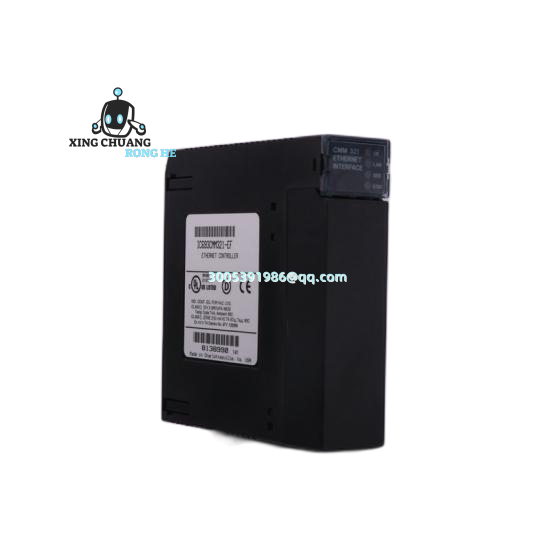
Truth is, ControlNet’s deterministic timing beats Ethernet/IP for motion control in legacy setups—this module locks comms within 2ms jitter. The dual-port redundancy means if one network tap fails (happens near welding stations), traffic reroutes without dropping I/O. Personally, I found the diagnostic LEDs more useful than the manual claims; that amber flash pattern when bus voltage dips below 21V saved a chocolate factory’s cooling line last winter. Compatibility’s solid with ControlLogix 5580s and older PLC-5s via 1786-TPS taps, though you’ll need the RSNetWorx software to tweak node IDs. Not flashy, but when your bottling line’s moving 2,000 bottles/hour, you want boring-reliable.
There are no reviews yet.