

Rockwell Automation 77246-256-52: Your Workhorse for Industrial I/O
When your production line’s breathing down your neck and you need I/O that won’t flinch during voltage spikes or factory-floor chaos, this Rockwell module gets dirty with you. We’ve seen it hold up in bottling plants where humidity hits 90% and in Midwest auto factories where -20°C winters freeze cheaper gear solid. It’s not fancy—it’s the kind of digital I/O that keeps conveyors moving when everything else screams “fault.”
Rockwell Automation 77246-256-52 Specs
• Brand: Allen Bradley (Rockwell Automation)
• I/O Configuration: 16 digital inputs / 16 digital outputs (sinks/sources)
• Electrical: 24VDC handling 0.5A per point—handles inductive loads without breaking a sweat
• Comms: Rockwell’s native Modbus; drops into ControlLogix racks like it owns the place
• Survival Kit: -25°C to +60°C operating range (storage down to -40°C)
• Physical: Slim 17mm width—barely wider than your thumb. Weighs less than a bag of chips (0.2kg).
Truth be told, most folks grab this when their old 1746 series starts acting up—like that paper mill in Wisconsin where moisture kept killing their input cards. We spec these alongside FLEX 5000 racks or squeeze ’em into CompactLogix builds when budget’s tight but reliability’s non-negotiable. Seen ’em paired with everything from vintage PanelViews to modern FactoryTalks. One plant manager actually texted us at 2AM: “Still running after the power surge—send six more.” If you’re wrestling with Allen Bradley systems (and who isn’t?), we’ve got these plus cousins like 1769-IF16, 1734-OB8, and the whole 5069-IQ16 family ready to ship.

Here’s what makes this thing stick around: Rockwell’s redundancy isn’t just marketing fluff. Hook two of these up in a hot-backup config, and if one dies mid-shift, the other takes over without tripping your safety system. Personally, I’d avoid using these in sub-zero mining ops—they’ll technically run at -25°C, but condensation’ll murder the terminals. Oh, and the diagnostics? Solid. LED indicators scream “HERE!” when a fuse blows, saving hours of troubleshooting. Compatibility’s the real win though: talks to Siemens HMIs via Modbus TCP, plays nice with older RSLogix 5000 programs, and we’ve even got customers running ’em with third-party SCADA using that open Modbus port. Just don’t expect Ethernet/IP—this is old-school reliable, not bleeding-edge.
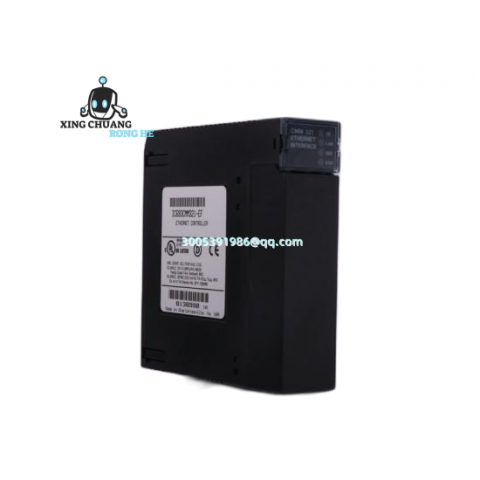
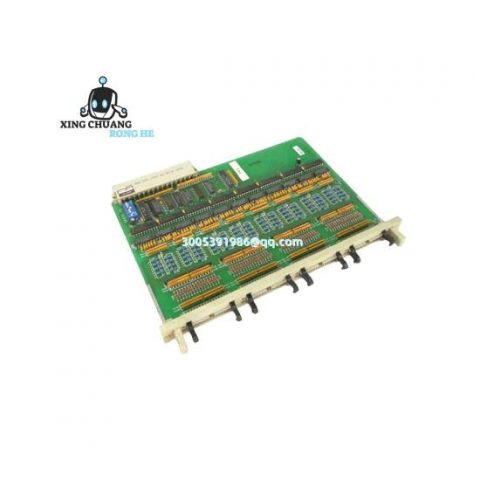
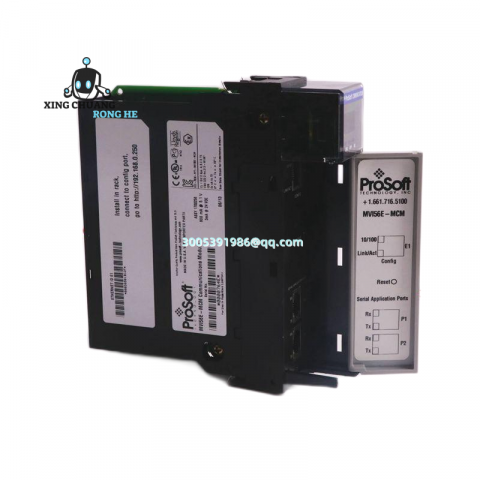
There are no reviews yet.