

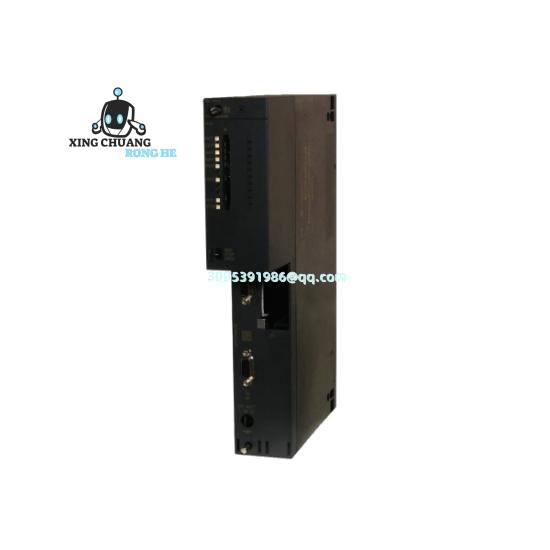
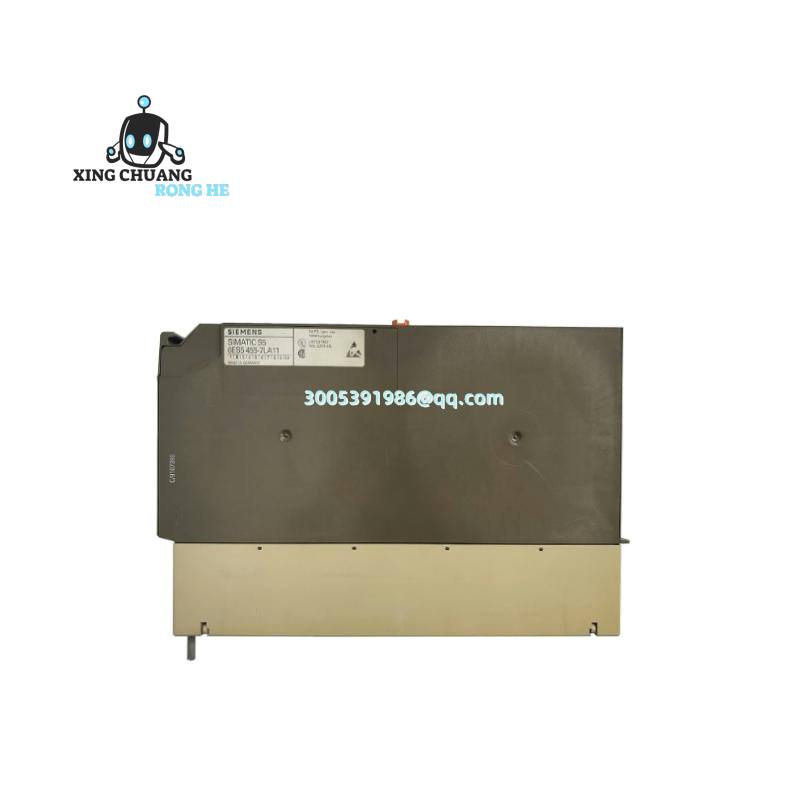
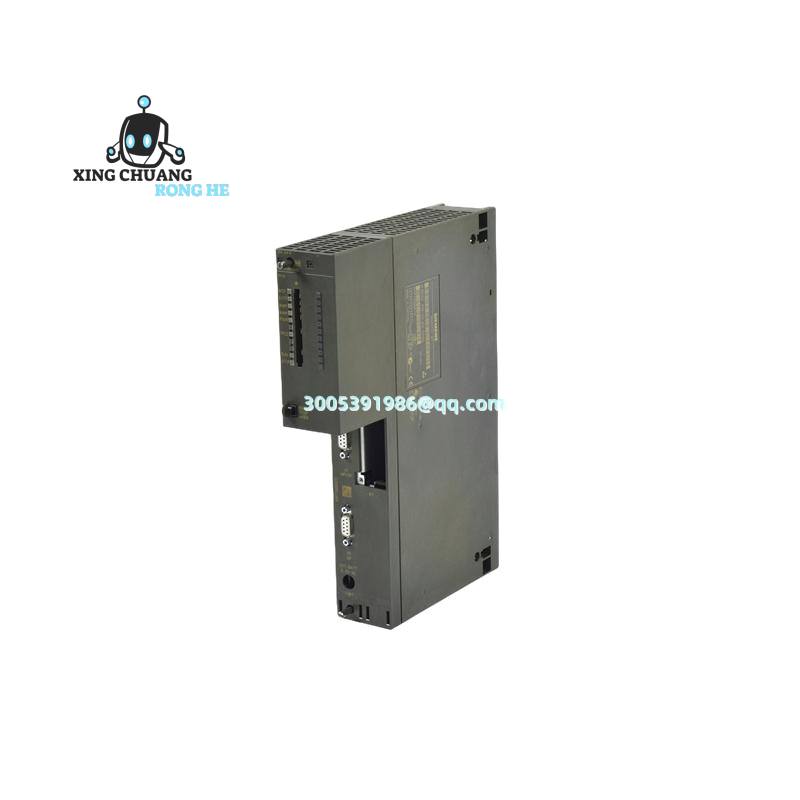
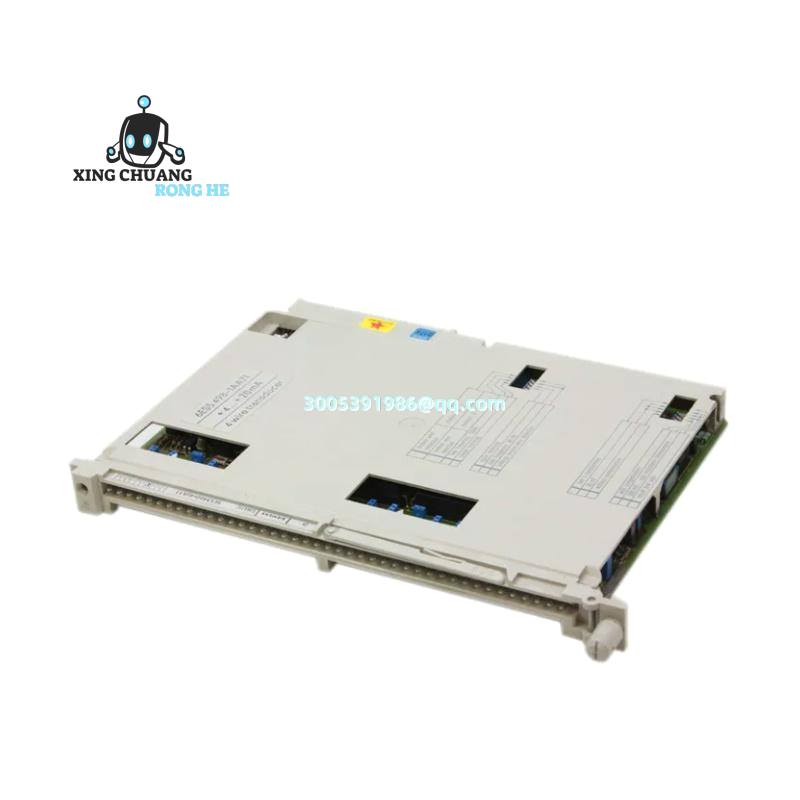
Siemens 6ES7414-3XJ04-0AB0: The Workhorse CPU for Demanding Automation Lines
When your production line can’t afford a single second of downtime, this S7-400 CPU becomes your backbone. Fact is, most plants I’ve seen struggle with memory bottlenecks during complex sequencing—this unit handles 50k+ ladder logic operations without breaking a sweat. You’ll find it tucked inside automotive assembly cells, chemical batch processors, and anywhere vibration or electrical noise would cripple lesser controllers. Honestly? It’s the kind of component you install and forget about for a decade.
| Specification | Detail |
|---|---|
| Brand & Series | Siemens S7-400 (6ES7414-3XJ04-0AB0) |
| Memory Capacity | 1.4 MB total (700 KB code / 700 KB data) – enough for 30+ analog modules |
| Communication | MPI/DP @ 12 Mbit/s + dual PROFIBUS DP ports |
| Physical Profile | 23.3 x 30.2 x 6.2 cm | 1.19 kg (fits standard 19″ racks) |
| Power & Durability | 208-240 VAC input | 4.2A draw | -25°C to +60°C operating range |
Last month, a Midwest bottling plant called me frantic—their old CPU kept crashing during high-speed fill cycles. Swapped in this 6ES7414 alongside their ET200SP I/O modules, and suddenly those 600Hz bottle counters ran smooth as butter. We see this pattern constantly: food processing lines needing that sweet spot between S7-1500 flexibility and S7-300 simplicity. If you’re running legacy Siemens systems (looking at you, S7-400H clusters), this model plays nice with F-CPUs like 6ES7417-4HL03-0AB0 or even integrates into modern TIA Portal setups. And yeah, the pluggable IFM modules? Lifesaver when swapping comms cards during graveyard shifts.
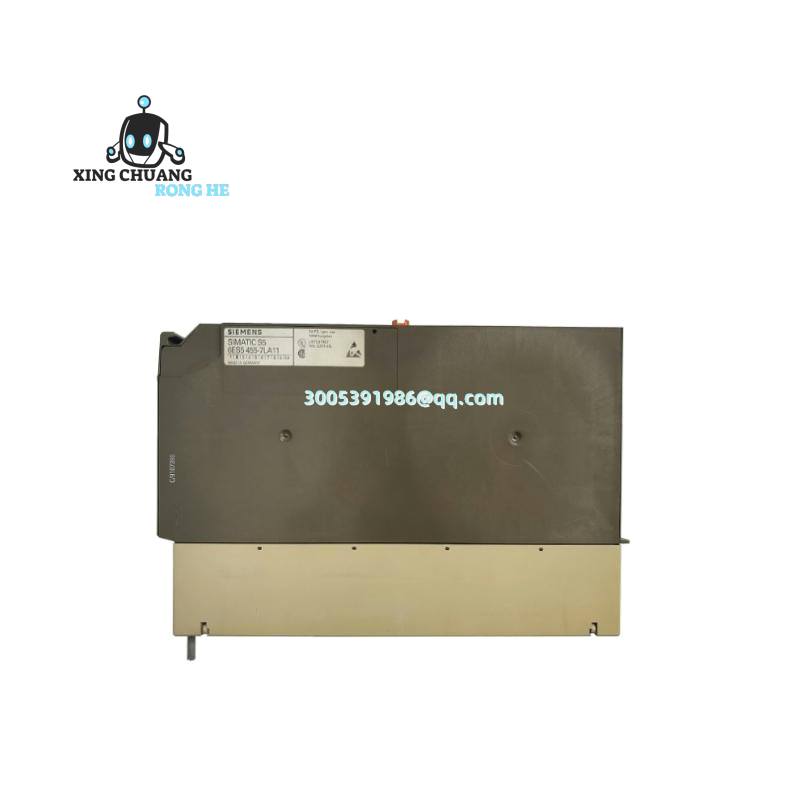
Here’s what keeps me recommending this over newer models: the dual PROFIBUS ports actually work flawlessly under electrical noise—tried it next to 480V VFDs where cheaper CPUs glitched. Personally, I found the memory allocation smarter than S7-1200s; you can dedicate 70% to data buffers for those pesky servo tuning logs. And don’t sleep on the redundancy features: hot-swap capability means no more midnight shutdowns for firmware updates. One customer in steel manufacturing told me it survived three years in a furnace control room where ambient temps hit 55°C daily. Thing is, you won’t get flashy IoT features here—but when your priority’s keeping molten metal moving? This CPU just works.
There are no reviews yet.