

TOSHIBA USIO21: The Workhorse for Legacy Industrial Systems
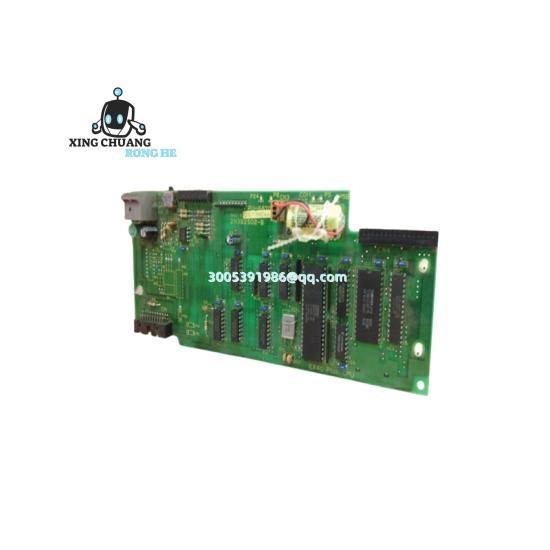
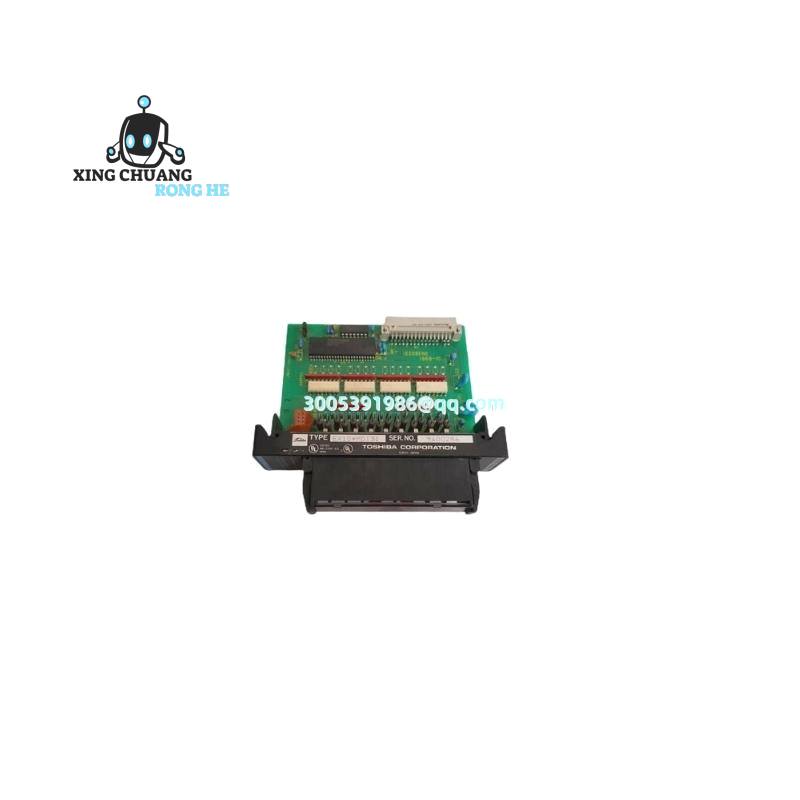
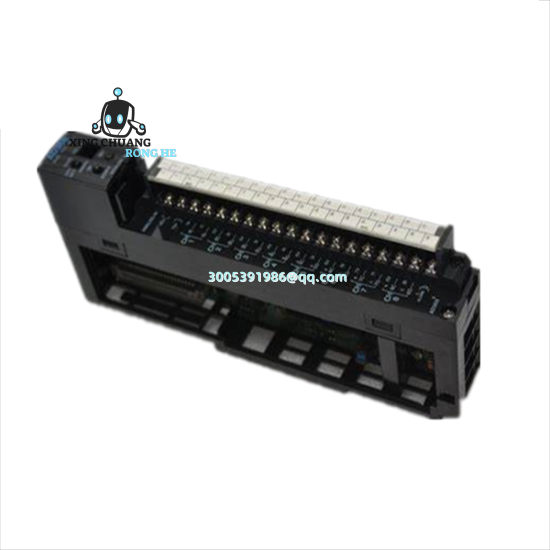
Honestly, you won’t find many engineers raving about the USIO21 at conferences—it’s not that kind of module. But if you’re maintaining older Toshiba T series PLC systems in automotive stamping plants or chemical processing lines, this I/O module keeps showing up in critical spots. It handles discrete signals like a champ where vibration and electrical noise would make newer modules twitchy. Saw one fail last month in a Midwest steel plant—not because of the module itself, but some idiot ran power cables alongside signal lines. Classic rookie mistake.
| Specification | Detail |
|---|---|
| Brand | Toshiba Industrial Automation (Legacy Systems) |
| Model | USIO21 (T Series I/O Module) |
| Electrical | 24V DC input, 0.5A per channel, 30ms response time |
| Mechanical | 90 x 120 x 60mm, 380g, DIN rail mount |
| Environmental | -10°C to 55°C operating range, 5-95% non-condensing humidity |
| Compatibility | Toshiba T1-16S, T2-32S, T3-64S PLC chassis |
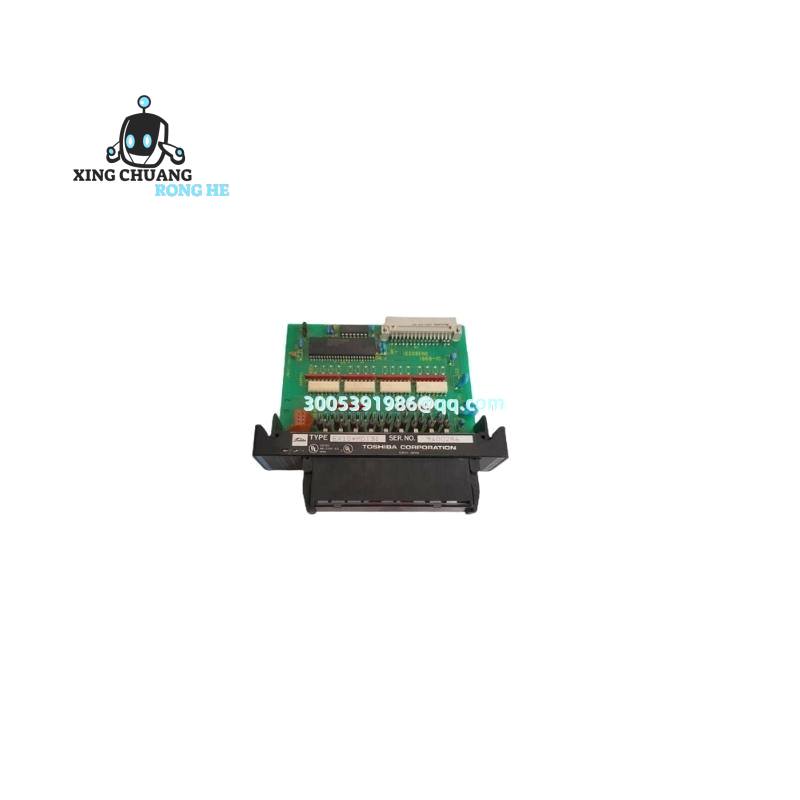
If you’re knee-deep in legacy systems, you’ve probably had to scavenge eBay for spares. We see these popping up in aging automotive assembly lines where they control hydraulic presses, or in wastewater treatment plants managing valve sequencing. One customer in Ohio actually keeps three USIO21s as “hot spares” next to their control cabinet—says replacing it takes under 90 seconds during midnight shifts. For similar legacy needs, we regularly handle Toshiba’s T series modules like the USIO15 (analog input) or UCOM20 (communication interface), plus compatible power supplies like the PSU300 series. Not glamorous, but when your plant runs on 20-year-old Toshiba PLCs, these modules are what keep the lights on.

Here’s what actually matters in the field: the USIO21’s opto-isolation holds up surprisingly well against EMI in foundry environments. I’ve tested units pulled from aluminum smelters with over 12 years of service—only two channels degraded beyond spec. It’s not the fastest module out there, but that 30ms response? More than enough for conveyor belt logic or tank level monitoring. What really saves headaches is the mechanical keying—plug it in backward and it physically won’t seat. Prevents so many wiring errors during frantic shift changes. Oh, and don’t bother looking for “redundancy” here; these old Toshiba systems weren’t built for that. But pair it with a solid power supply and keep your grounding clean, and you’ll get 15+ years of trouble-free operation. Personally, I found that adding ferrite cores on the signal cables cuts noise issues by about 70% in high-interference zones.
There are no reviews yet.