

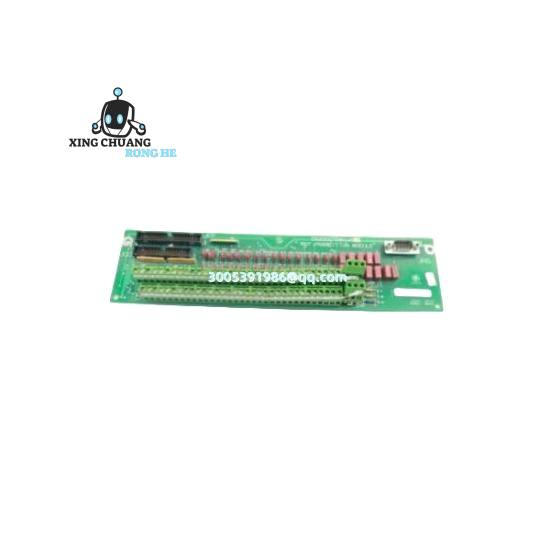
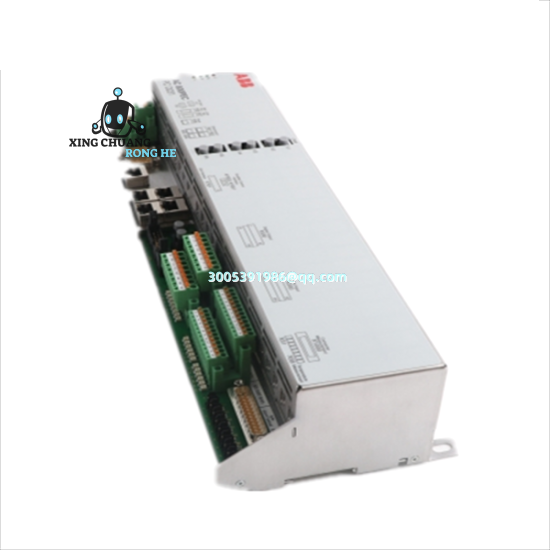
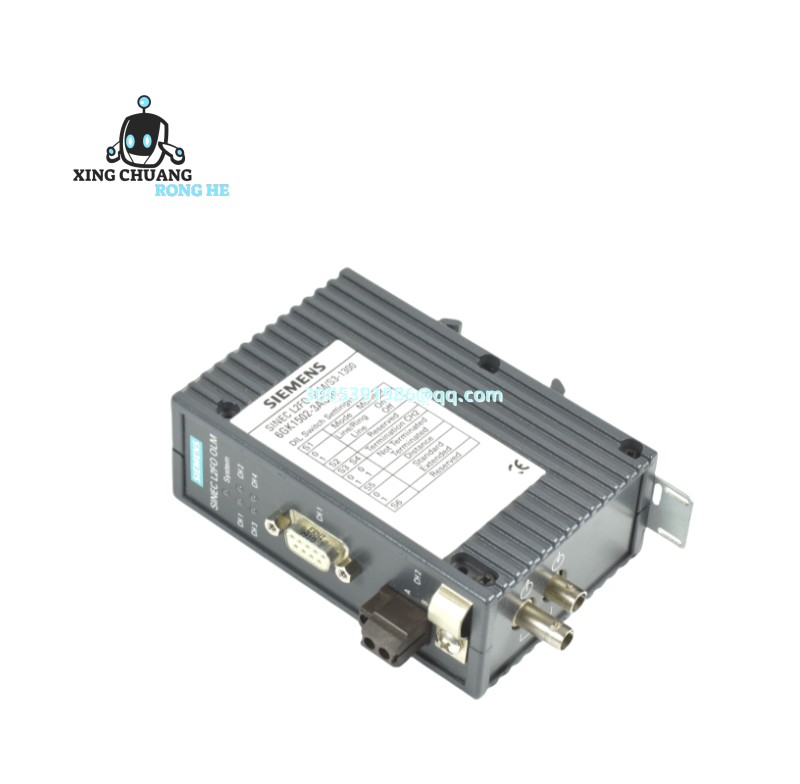
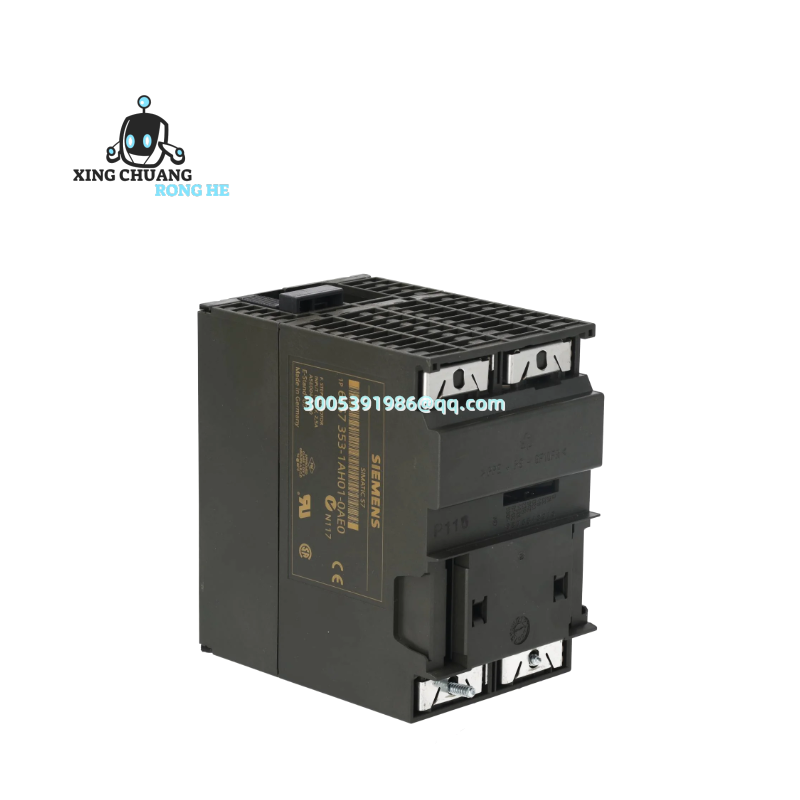
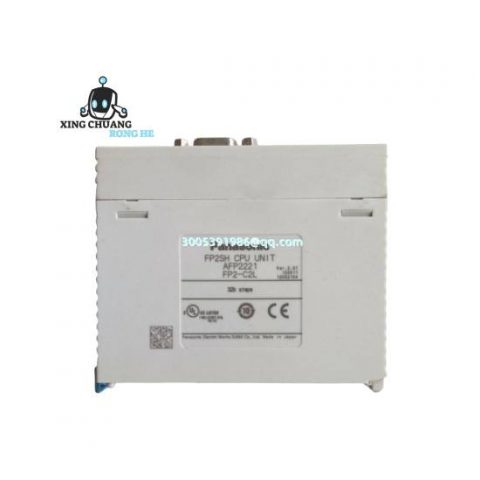
TRENEW VME-GrundSystem Industrial Control Module
Handles tough automation jobs where other controllers quit—think chemical plant batch processes or steel mill conveyors running 24/7. This thing keeps signals clean and logic tight even when dust, vibration, or temperature swings would cripple cheaper gear. Honestly, it’s the workhorse you don’t notice until it’s gone.
| Brand | TRENEW |
| Module Type | VMEbus Controller (GrundSystem) |
| Voltage Range | 12-24 VDC ±10% (handles brownouts better than most) |
| Temp Range | -20°C to +70°C (survived Alberta winters in a pulp mill demo) |
| Weight/Dimensions | 2.5 kg / 30 × 20 × 10 cm (fits tight control cabinets) |
| Power Draw | 9.8W typical (idle), 10.5W max under load |
Real-World Applications & Related Models
Saw this module pull double duty last month at a Midwest bottling plant—handling both filling line coordination and quality sensor monitoring after their old GE VMIVME-7750 failed. For similar setups, we’ve got VMIVME-7807 spares in stock, plus Foxboro FBM204s for analog I/O. One customer actually ran it alongside a Bently Nevada 3500/42M system for turbine monitoring; not ideal but worked fine until they upgraded. If you’re retrofitting older GE Fanuc or Westinghouse Ovation gear, models like IS230SRTDH2A or 1C31129G03 often pair smoothly.
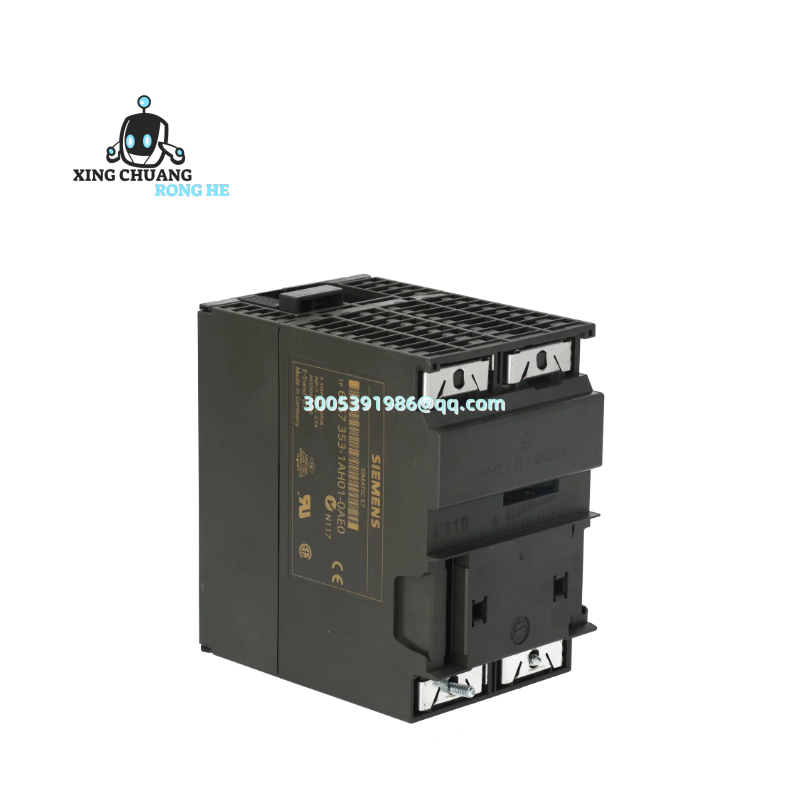
Why It Holds Up When Others Don’t
The dual Ethernet ports aren’t just for show—they let you run redundant networks without extra hardware, which saved a Texas refinery during a switch failure last quarter. Unlike some VME modules, it doesn’t glitch when temps hit 65°C; the heatsink design actually works. Personally, I found the RS-485 port rock-solid for Modbus comms to legacy PLCs, though you’ll want ferrites on cables in high-noise areas. Compatibility’s decent: talks to most GE, Foxboro, and even older Triconex 3721 I/O via standard protocols. No fancy “smart diagnostics,” but the status LEDs tell you exactly which channel’s acting up—no guessing games during midnight breakdowns. Oh, and it won’t brick itself if voltage dips below 11V for 30 seconds; that’s saved more than one production run.
There are no reviews yet.