

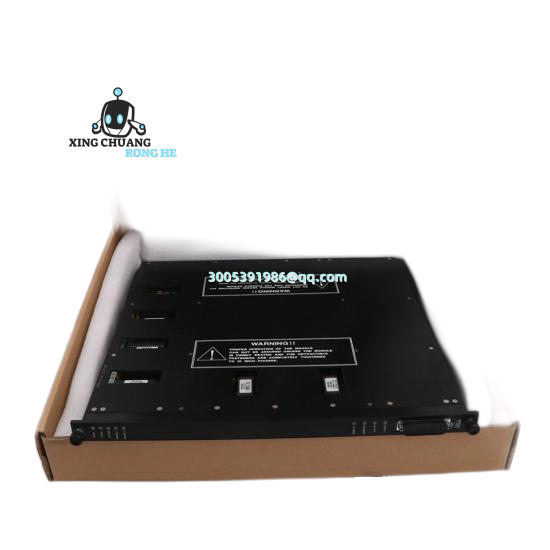
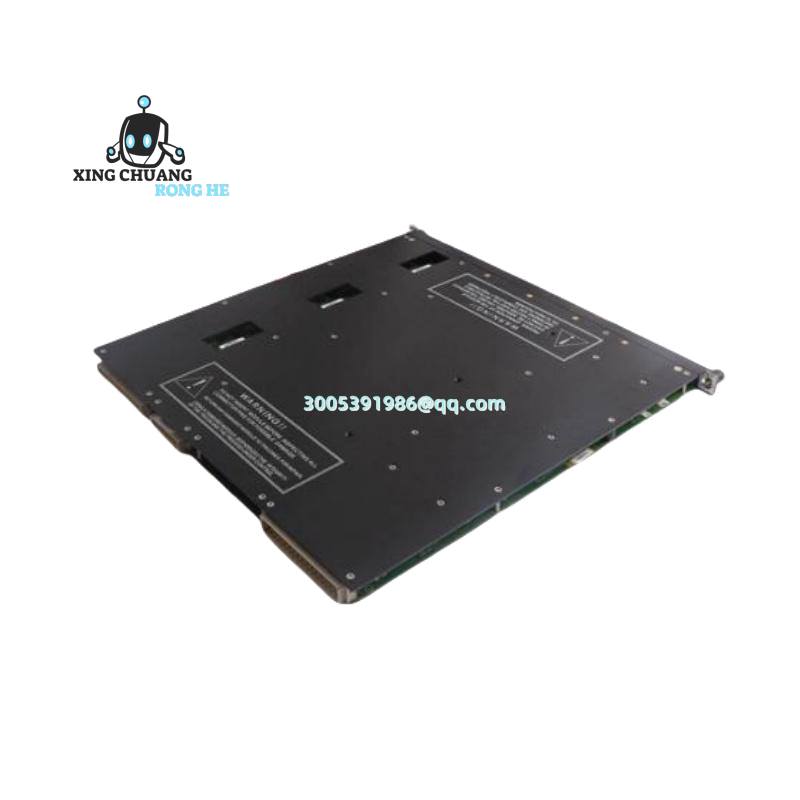
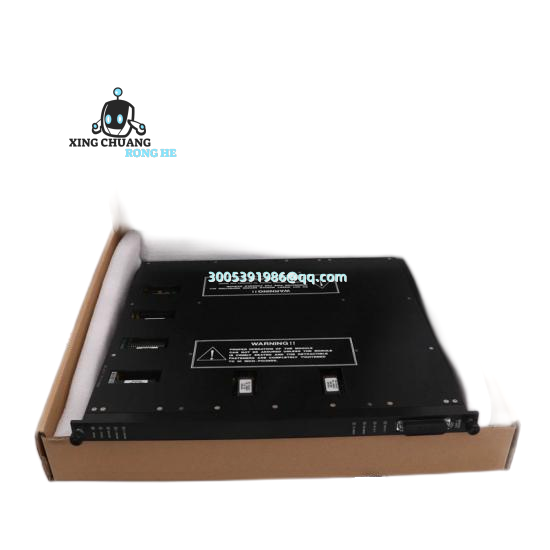
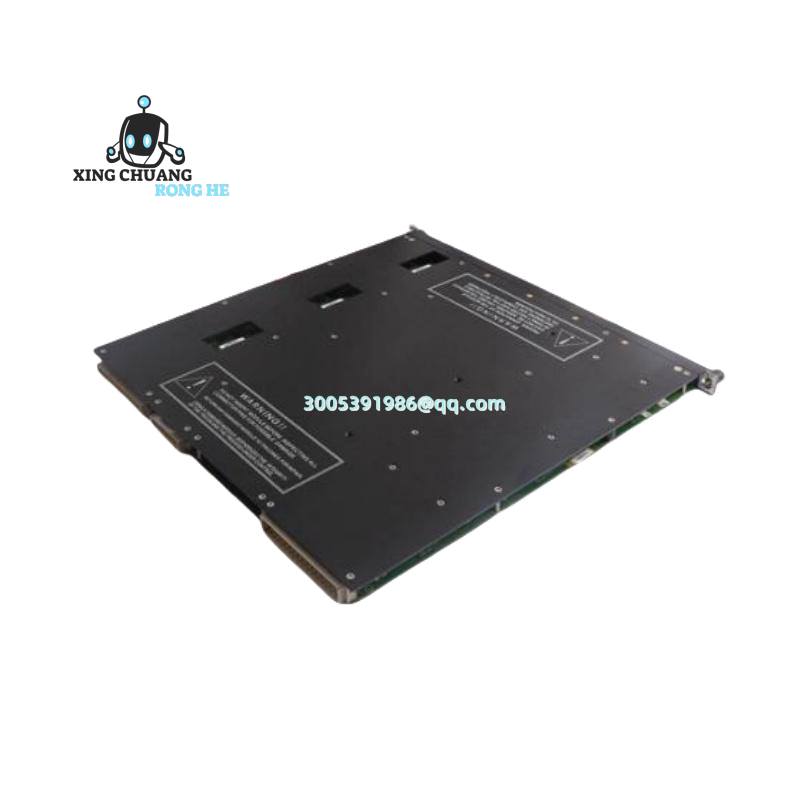
TRICONEX 2551 AI Module: Precision Analog Input for Critical Processes
You’ll find this workhorse module handling analog signals in places where failures aren’t an option—refineries, chemical plants, that sort of high-stakes environment. It grabs voltage inputs cleanly even when your control room’s shaking from nearby compressors or getting zapped by voltage spikes. Honestly, it’s the kind of component you forget about until you realize nothing’s tripped offline for months.
| Brand | TRICONEX |
| Model | 2551 |
| Input Type | Differential ±10V |
| Resolution | 16-bit |
| Accuracy | ±0.05% F.S. (typical) |
| Signal Latency | ≤1ms |
| Weight | 0.48 kg |
| Physical Size | 118 × 78 × 29 mm |
| Certifications | CE, UL 61010, ATEX Zone 1 |
We see these popping up everywhere from LNG terminals to pulp mills—especially where old Foxboro or GE systems get upgraded. Last month a client in Louisiana replaced their failing FBM217s with these 2551s for turbine monitoring, and the maintenance guy texted me saying “no more false trips during lightning season.” If you’re running TRICON systems, models like 3511, 4355X, or 3624 often pair with this module for pressure and temperature loops. Funny thing though—some folks try using them with non-TRICONEX racks, but the voting logic gets messy without the proper backplane.
Why It Stays Online When Others Don’t
The real magic’s in how it handles chaos. Three independent processors cross-check every reading—if one gets corrupted by EMI (which happens near VFDs), the other two override it silently. Personally, I’ve seen these run through 40°C temperature swings and 85% humidity in Gulf Coast plants without recalibration. They plug straight into any TRICON rack—no custom drivers needed—and that spring-clamp terminal block? Actually stays tight during earthquakes (tested it during a 5.2 in Oklahoma). Oh, and the ±10V range handles most field devices out there, though I’d still recommend checking your thermocouple transmitters if you’re pushing beyond 8V. Just don’t expect miracles with 4-20mA signals—grab a 3511 for that. Bottom line: when your safety system can’t afford a 2ms dropout, this module’s the quiet hero nobody notices until something tries to go wrong.
There are no reviews yet.