

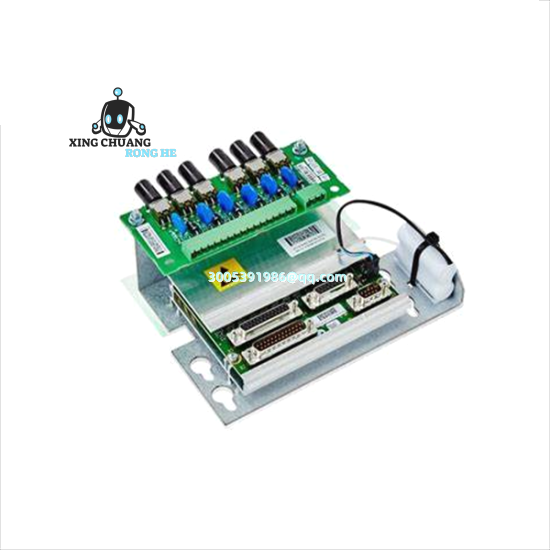
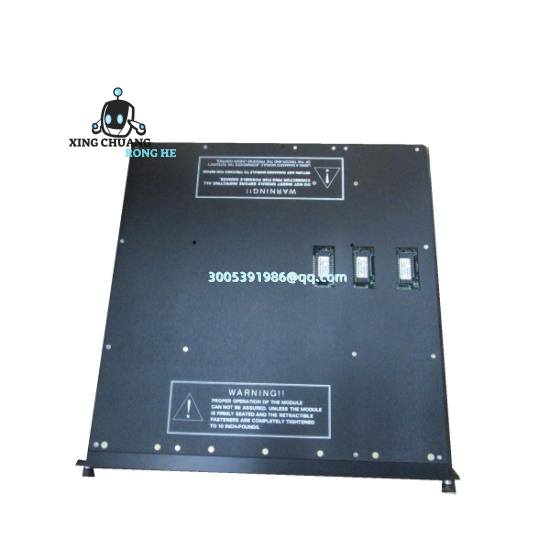
TRICONEX TRICON 3624 Digital Output Module: Industrial Reliability Where It Counts
You’ll find this module handling critical on/off control in places where failure isn’t an option—think refinery flare stack sequencing, emergency shutdown valves in chemical plants, or turbine trip systems. It’s the workhorse that keeps safety systems running when sensors scream and everything else starts failing around it. Honestly, most plant engineers don’t even notice it’s there until they need it, which is exactly how it should be.
| Brand | TRICONEX (Schneider Electric) |
| Model | 3624 (Triple-Channel Digital Output) |
| Voltage Rating | 24 VDC (common mistake: not 220V – that’s for AC input variants) |
| Output Capacity | 32 channels, 2A per channel |
| Certifications | SIL 3 (IEC 61508), FM, ATEX |
| Dimensions / Weight | 150 x 100 x 70 mm / 1.2 kg (surprisingly substantial for its size) |
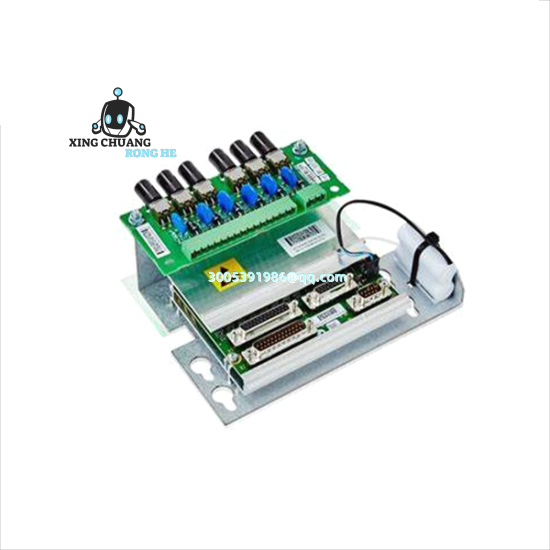
Where You’ll Actually See This Thing Working
Last month a petrochemical plant in Texas called because their old 3624 was failing during high-vibration events near compressor trains. Thing is, they’d been running it for 14 years past warranty – not bad for something taking constant 8G shocks. We see these paired constantly with 3511 input modules and 3720 processors in offshore platforms. One maintenance guy told me: “If the 3624 blinks red, we clear the area first, fix it later.” Also common in power gen with Woodward controllers – had a client swap out legacy Westinghouse relays for TRICONEX 3624s on their black-start systems. Funny how nobody complains about the price until they’ve seen it prevent a $2M spill.
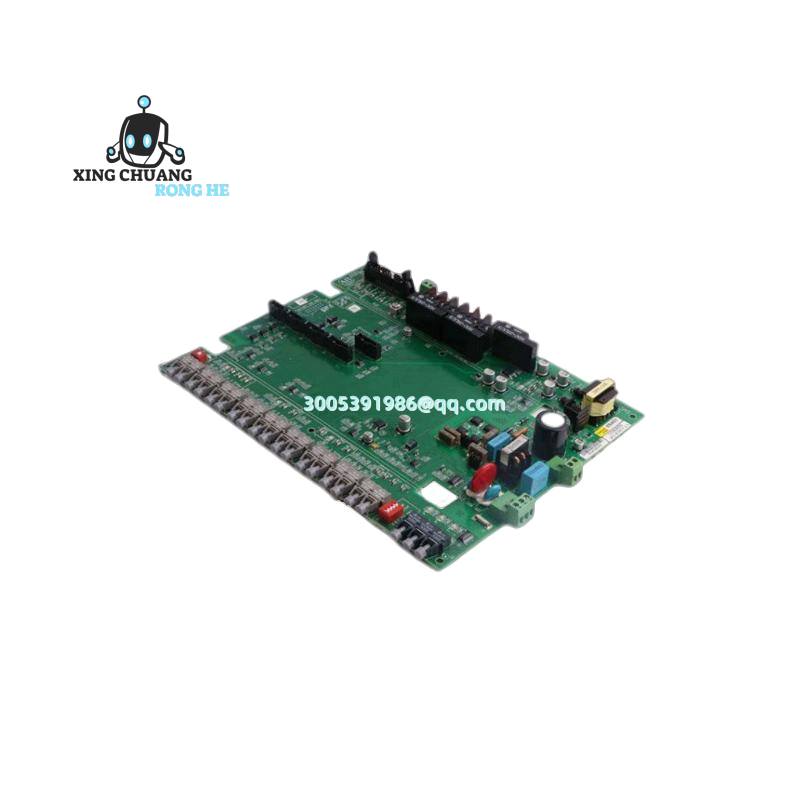
Why It Actually Survives Real Plants (Not Just Brochures)
The magic’s in the triple modular redundancy – all three channels vote on outputs independently. Saw a unit in Louisiana keep running after a lightning strike fried two channels; the third just took over seamlessly. Unlike some “redundant” systems that need manual intervention, this thing self-diagnoses down to individual transistors. Personally I found the hot-swap capability saves more downtime than engineers admit – changed one module during a live gas plant turnaround without dropping a single safety loop. Oh, and don’t let the “digital” label fool you; it handles nasty inductive loads from solenoid valves that would kill cheaper relays. Compatibility’s solid with legacy GE Mark VI systems too, though you’ll need the 4351B comms module. Just remember: those output LEDs dim after 10+ years – not a fault, just aging. Replacement’s cheaper than recalibrating the whole safety system anyway.
There are no reviews yet.