

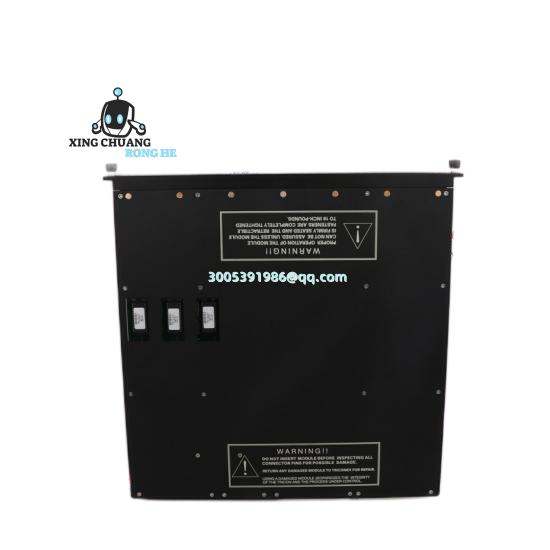
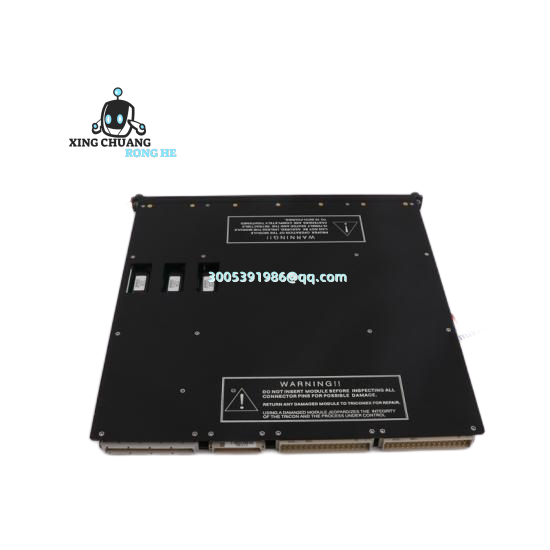
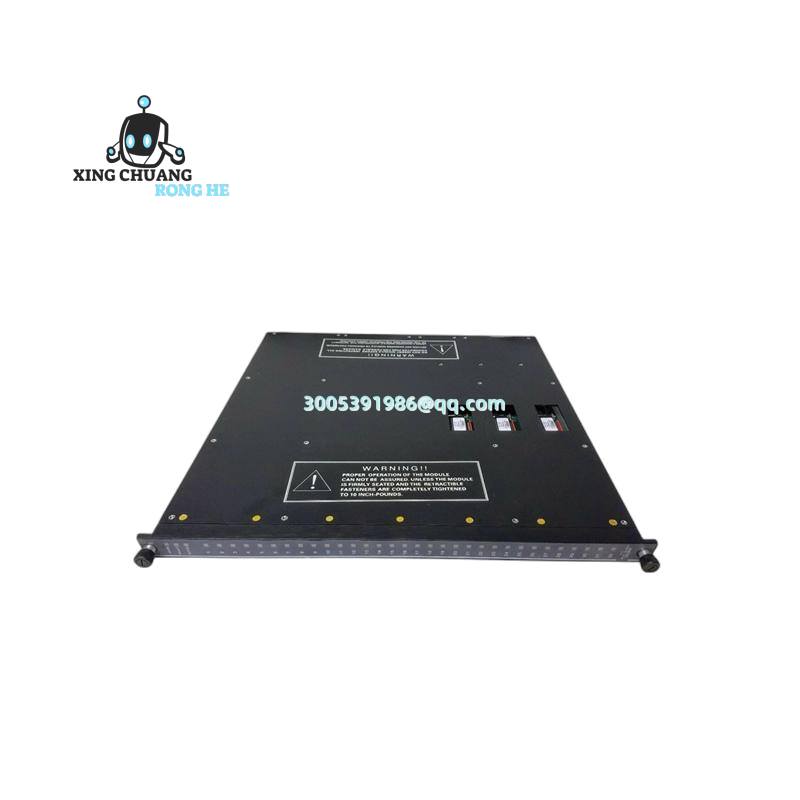
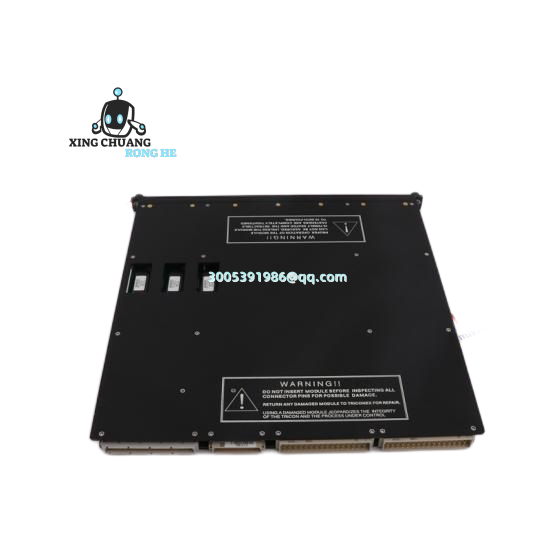
TRICONEX TRICON 3636R Safety System Module: Your Last Line of Defense
You’ll want this module when failure isn’t an option—think emergency shutdowns in offshore rigs or chemical reactors where milliseconds count. The TRICON 3636R doesn’t just monitor; it actively prevents disasters through continuous self-checking and instant failover. Honestly, I’ve seen plants run smoother just knowing this thing’s in the rack.
| Attribute | Value |
| Brand | TRICONEX (Schneider Electric) |
| Model | 3636R |
| Voting Speed | Sub-10ms fault detection |
| Power Requirements | 100-240V AC, 50/60Hz |
| Operating Temp | -25°C to +70°C (no derating) |
| Certifications | IEC 61508 SIL 3, FMEDA validated |
| Dimensions | 483 × 300 × 260 mm (19″ rack) |
| Weight | 12.5 kg |
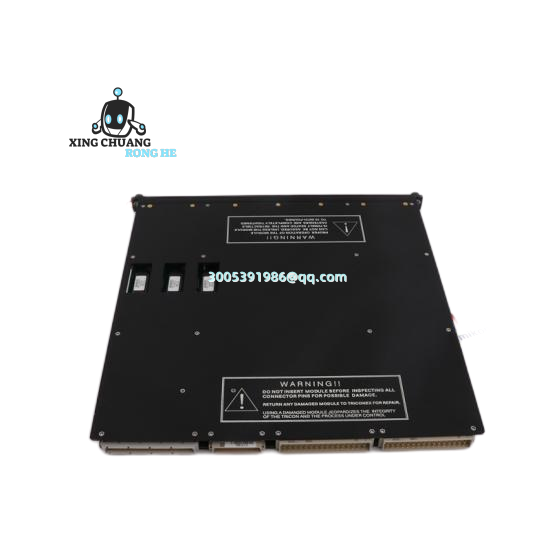
Where It Pulls Its Weight
Refineries use these for flare stack control—remember that incident in Louisiana last year where a single-point failure caused a 12-hour shutdown? Not with TMR. We’ve got 3636Rs holding down the fort in LNG terminals from Qatar to Texas, often paired with legacy 3008 or newer 4351B I/O modules. One petrochemical client actually called it their “sleep insurance”—no more midnight emergency calls when the 3636R catches a sensor drift before it becomes a runaway reaction. Oh, and don’t forget power plants; they’re running these alongside 3500/44 vibration monitors for turbine protection.
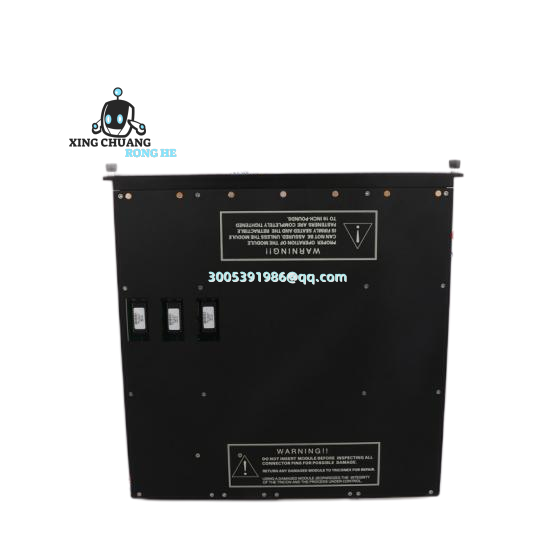
Why It’s Not Just Another Safety Card
Look, most safety PLCs fake redundancy with hot spares. But the 3636R’s true triple-core voting happens at the hardware level—each processor runs identical code but checks the others 30,000 times per second. If one chip glitches during a lightning strike? The other two override it silently. No reboot, no alarm, just clean operation. And get this: it talks straight to your existing Foxboro FBM240s or GE Mark VIe via Modbus TCP without gateways. We had a paper mill integrate it with their 20-year-old OVATION system in three days flat. Personally, I find the FMEDA reports reassuring—shows actual failure rates under 0.1 FIT instead of theoretical claims. Plus, that -25°C rating? Crucial for Alaskan pipelines where other modules conk out at -20°C. Kind of makes you sleep better knowing it won’t quit when temps drop.
There are no reviews yet.