

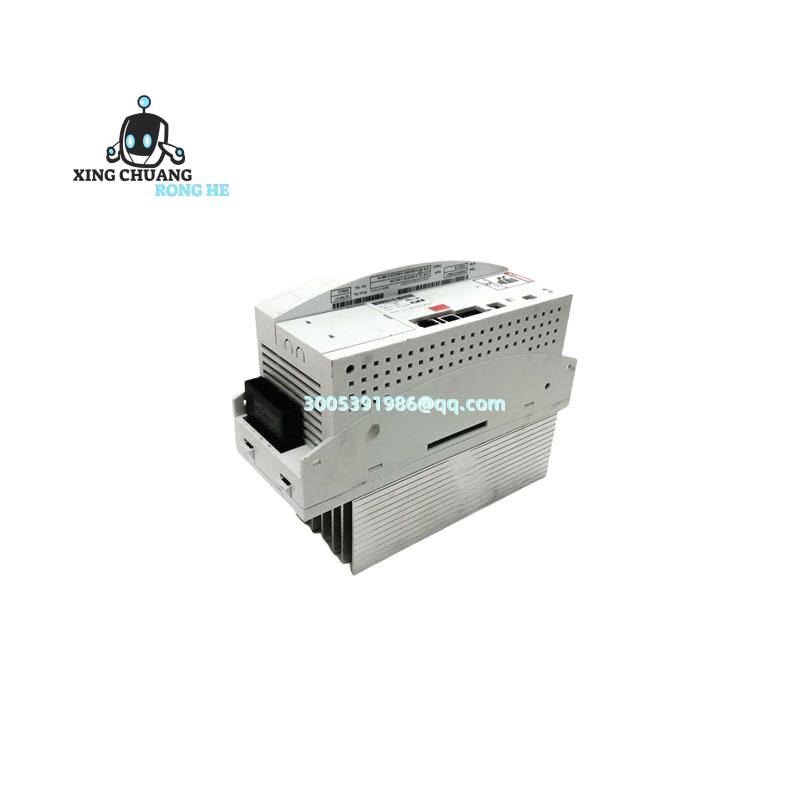
VARIAN 100010077-06 Industrial Controller: Precision Where It Counts
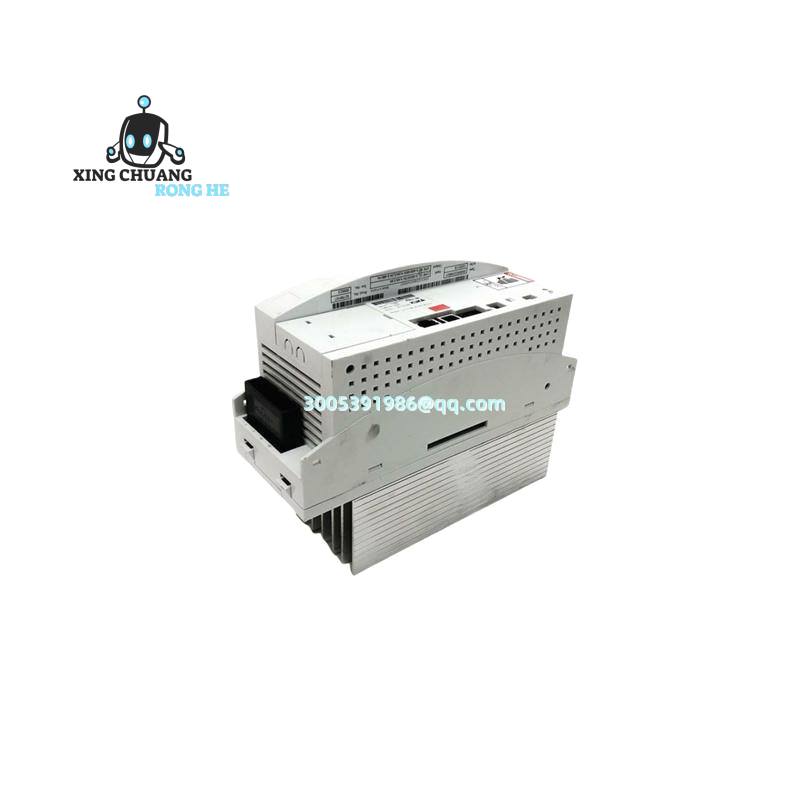
This controller’s been keeping production lines humming for years—think semiconductor fabs or precision coating systems where a fraction of a micron matters. You’ll find it managing delicate thermal processes or motion control where standard PLCs just can’t cut it. Honestly, it’s the kind of workhorse you forget about until you realize it’s been running flawlessly for over a decade.
| Brand | VARIAN (Legacy Industrial Division) |
| Control Type | Closed-loop analog/digital hybrid |
| Input Voltage | 200-240V AC ±10% (50/60Hz) |
| Output Voltage | 24V DC regulated (±0.5%) |
| Operating Temp | -15°C to +65°C (derate above 50°C) |
| Enclosure | NEMA 12 (IP54 equivalent) |
| Weight | Approx. 1.8 kg |
We see these all the time in legacy vacuum deposition systems—especially older Applied Materials or Lam Research tools where replacing the whole controller isn’t cost-effective. One customer in Dresden actually pulled three of these out of mothballs last year when their backup system failed during a critical wafer run. Thing is, they’re not just for semiconductors; we’ve spotted them in pharma lyophilization units and even some high-end food packaging lines where temperature stability is non-negotiable. If you’re running GE Fanuc 90-30 systems or older Foxboro I/A series, this plays nice alongside them through standard 4-20mA interfaces.
The real magic’s in how it handles thermal drift—seen units maintain ±0.05% accuracy even when ambient temps swing 20°C during shift changes. Unlike newer digital-only controllers, its analog feedback loop won’t glitch during brownouts (we’ve had plants in Southeast Asia swear by this during monsoon season). Personally, I found the isolated signal paths make troubleshooting way less of a headache when EMI’s messing with your sensors. Oh, and don’t let that “legacy” label fool you; the terminal blocks accept modern M12 connectors so you’re not stuck hunting for obsolete wiring. Makes sense for dusty environments too—saw one running in a cement plant’s kiln control for eight straight years with just routine filter changes. Just remember to check the electrolytic caps if it’s been idle; that’s usually the first thing to go after long storage.
There are no reviews yet.