

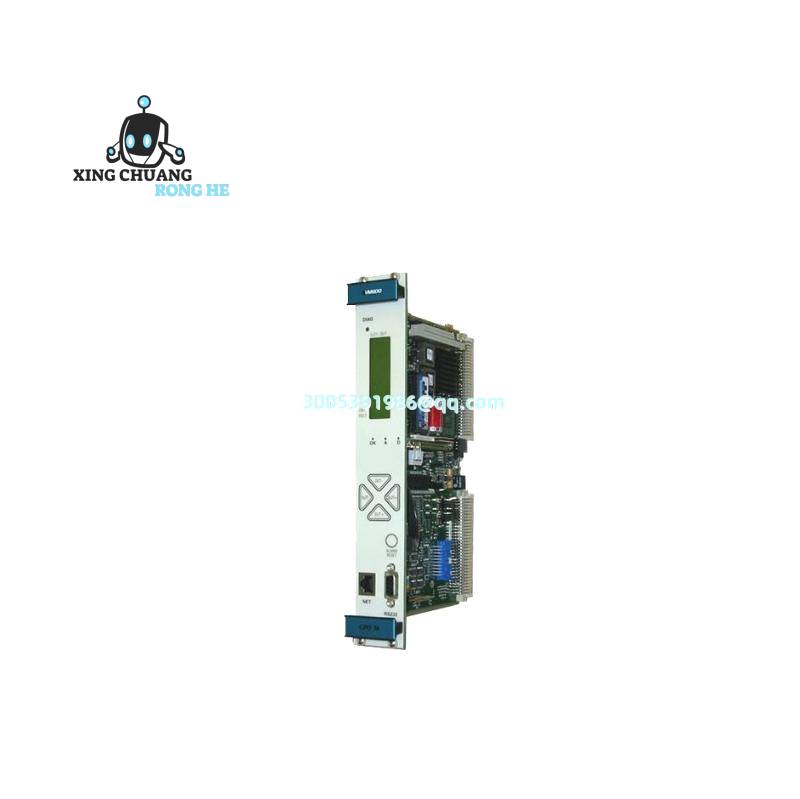
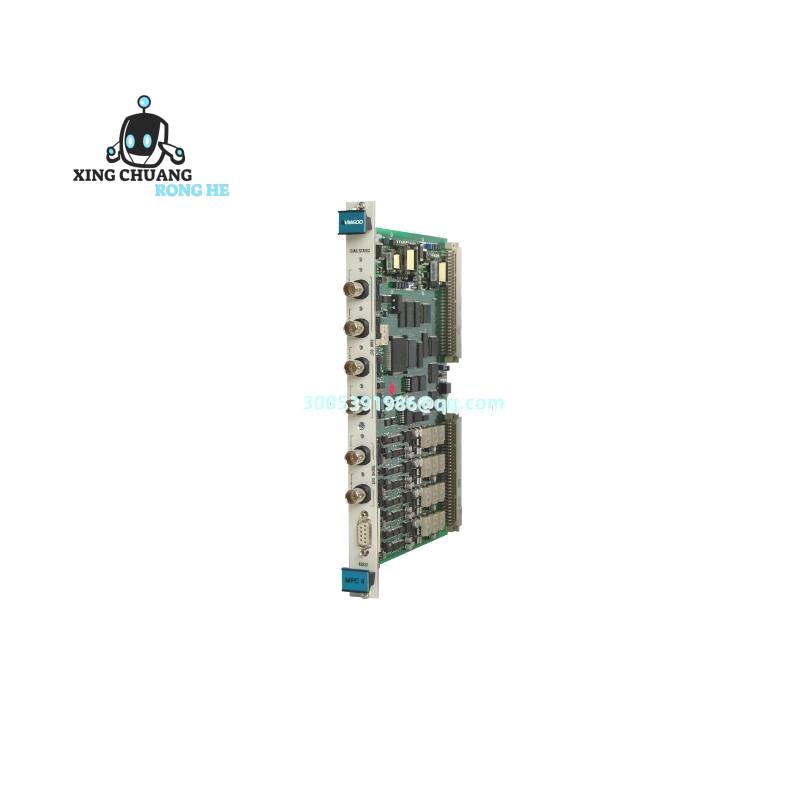
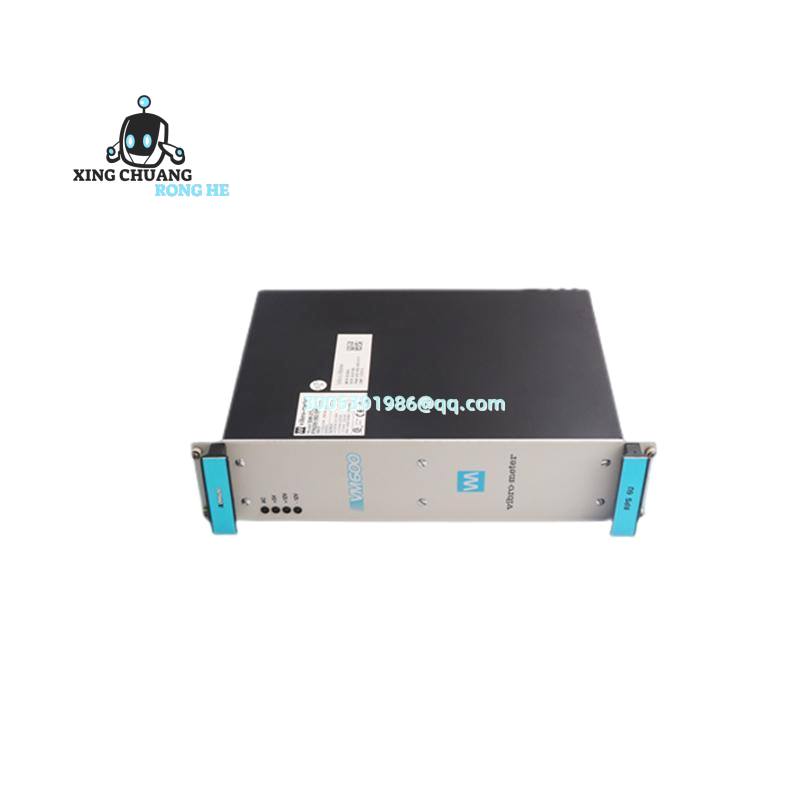
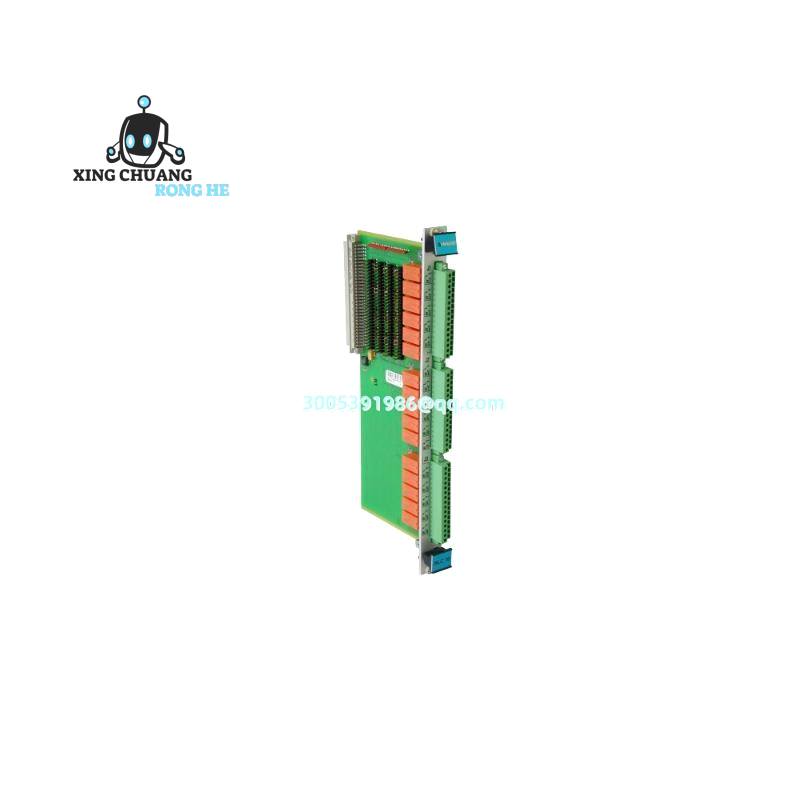
Vibro-Meter VM600 MPC4 200-510-111-034 – Precision Vibration Monitoring Module
This isn’t just another vibration sensor box—it’s the quiet workhorse keeping turbines and compressors running smoothly when things get rough. Factories running paper mills or gas pipelines rely on it to catch bearing wear before it becomes a midnight emergency shutdown. You’ll find it humming away in places where missing a vibration spike could mean $200k in downtime before lunch.
| Brand | Vibro-Meter (now part of Meggitt Sensing) |
| Model Variant | 200-510-111-034 (MPC4 Series) |
| Dimensions | 120 x 80 x 45 mm (DIN rail mount) |
| Weight | 1.2 kg (solid aluminum housing) |
| Input Channels | 16 analog (IEPE/4-20mA configurable) |
| Operating Range | -20°C to +70°C (survived 95°C in a Gulf Coast refinery once) |
| Comms | Modbus RTU over RS-485, Ethernet optional |
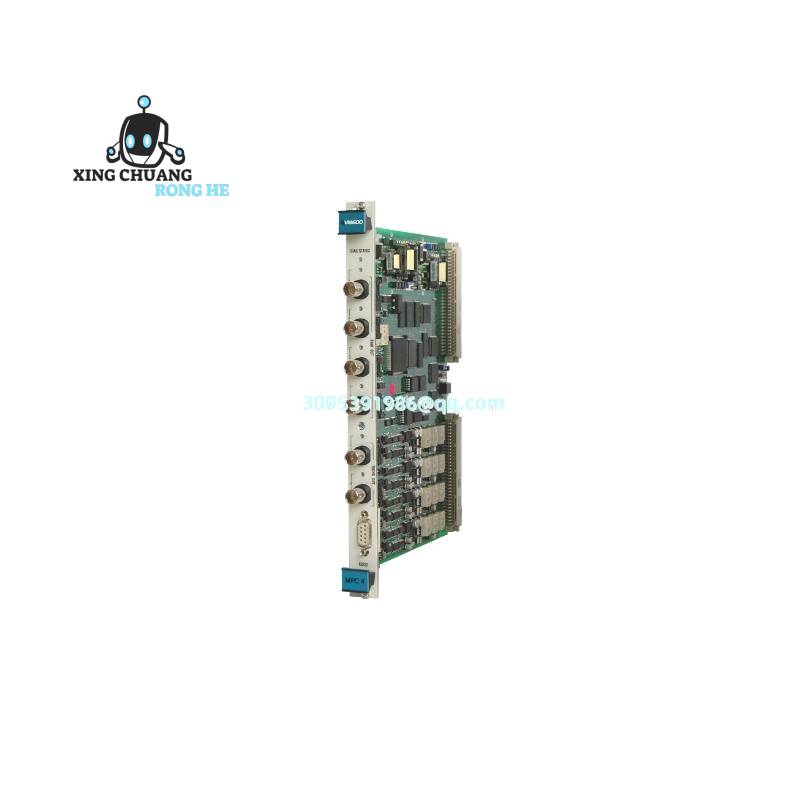
Seen this deployed everywhere from offshore platforms monitoring pump vibrations to chemical plants tracking steam turbine health. Last month a client in Ohio swapped out their old Bently Nevada 3300 system with these alongside Triconex 3805E controllers—turned out smoother than expected. We regularly pair them with GE’s VMIVME-7807 for legacy systems or slot them into Foxboro FBM240 racks when plants upgrade I/A Series setups. Honestly? It’s become our go-to for vibration monitoring where you can’t afford false alarms during shift changes.
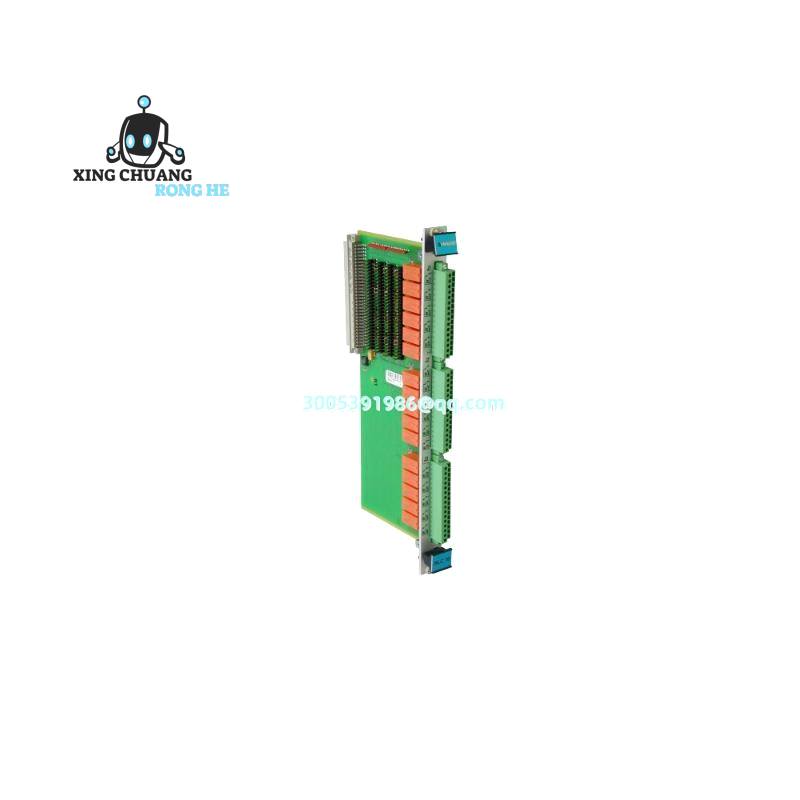
What makes it stick around after installation? For starters, that 12-bit resolution actually holds up in noisy environments—tried it next to a 5MW motor and still got clean waveforms. The dual power inputs (24V DC or 110V AC) saved a pulp mill from rewiring their entire control room last winter. Personally, I found the Modbus implementation rock-solid; no weird timeouts like some cheaper clones. It plays nice with ABB AC800PEC systems through standard gateways, and the hot-swappable design means you don’t need to kill production just to swap a channel. Oh, and that aluminum housing? Took a direct hit from a forklift in a steel plant and kept logging data. Not flashy, but you’ll forget it’s there—which is exactly how industrial gear should work.
There are no reviews yet.