

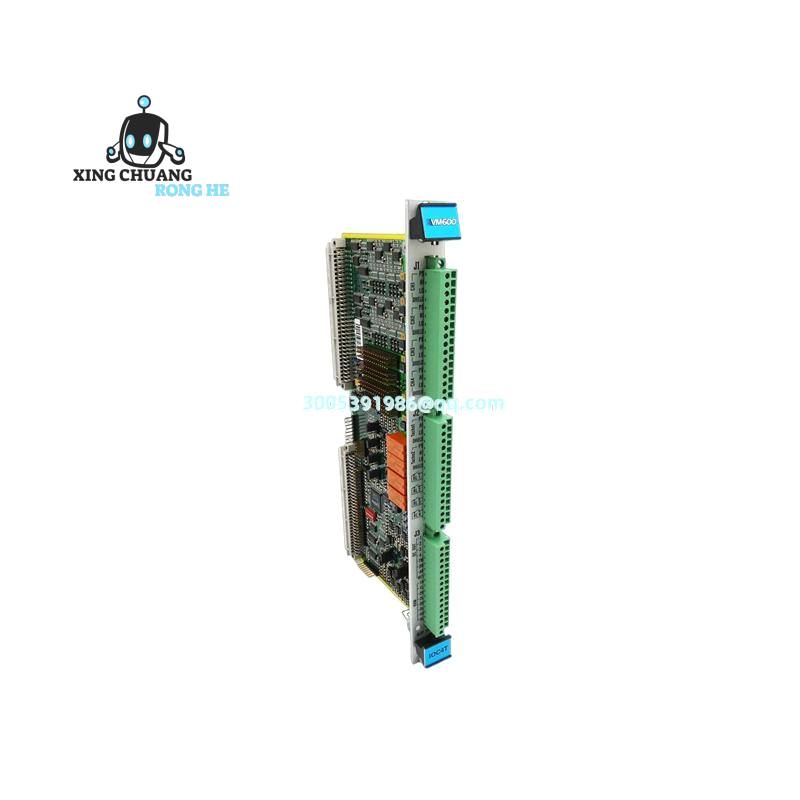
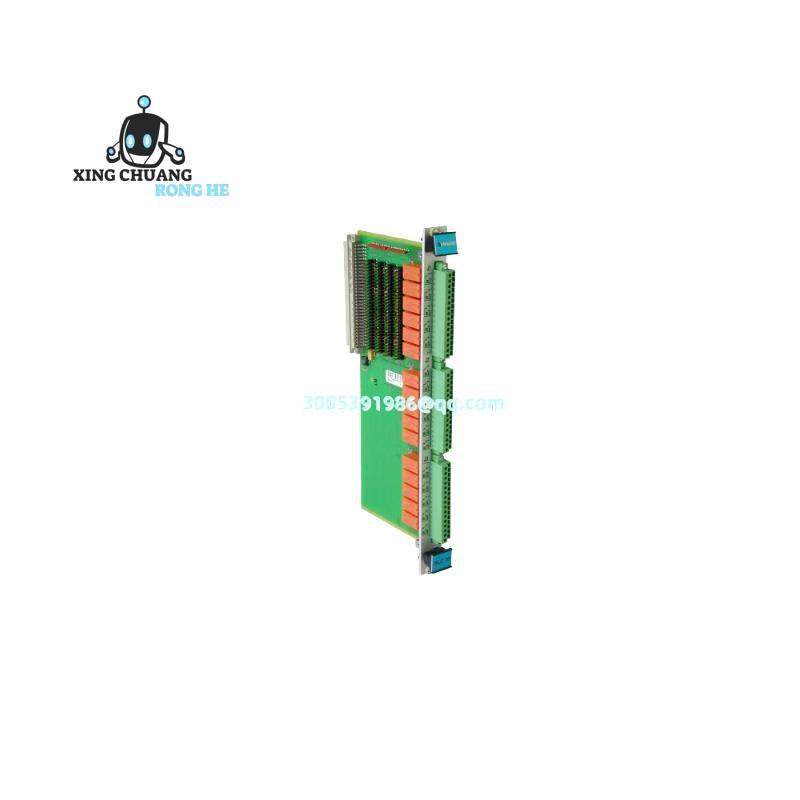
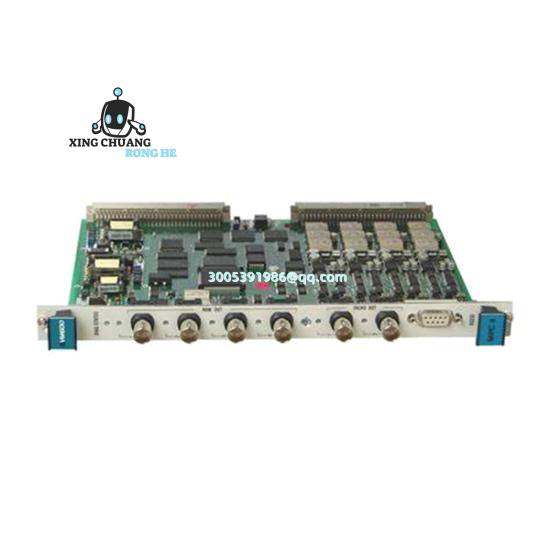
Vibro-meter VM600-XMV16 620-001-001-116 – Precision Vibration Monitoring for Critical Machinery
This module’s where you’d want solid vibration data without constant babysitting – think turbines, compressors, or big pumps running 24/7. It’s not some flashy gadget; it’s the kind of gear plant engineers rely on when a bearing starts whispering problems before it screams failure. Honestly, if your machinery’s shaking more than it should, this thing catches it early so you avoid midnight emergency shutdowns.
Technical Specifications
| Brand | Vibro-meter (now part of GE Measurement & Control) |
| Model | VM600-XMV16 |
| Part Number | 620-001-001-116 |
| Input Voltage | 100-240V AC ±10%, 50/60Hz |
| Dimensions | 148mm × 102mm × 45mm (W×H×D) |
| Weight | 0.48 kg |
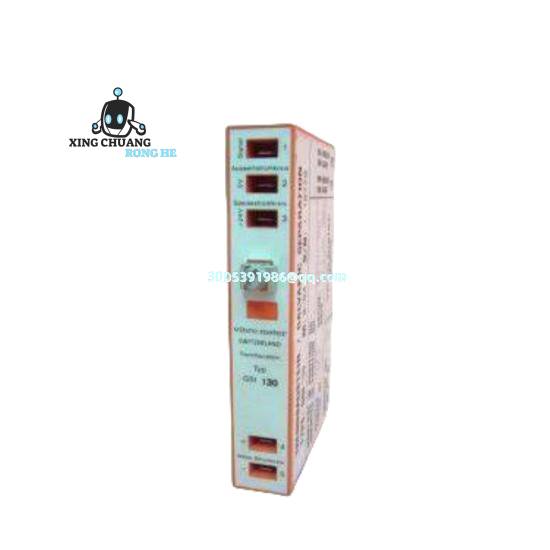
We see this module all the time in power plants wrestling with steam turbine vibrations or refineries monitoring centrifugal compressors. It slots right into Bently Nevada 3500 systems – pairing well with 3500/44M rack monitors or 3500/22M vibration cards. One refinery guy actually told us last month: “Kept my 10,000 HP compressor online for three extra weeks after spotting that subtle imbalance.” Also plays nice with GE’s older VM600 racks if you’re stuck maintaining legacy gear. Honestly, if you’re running anything from Foxboro FBM237 vibration inputs to Triconex safety systems needing vibration shutdowns, this module’s probably in the mix.
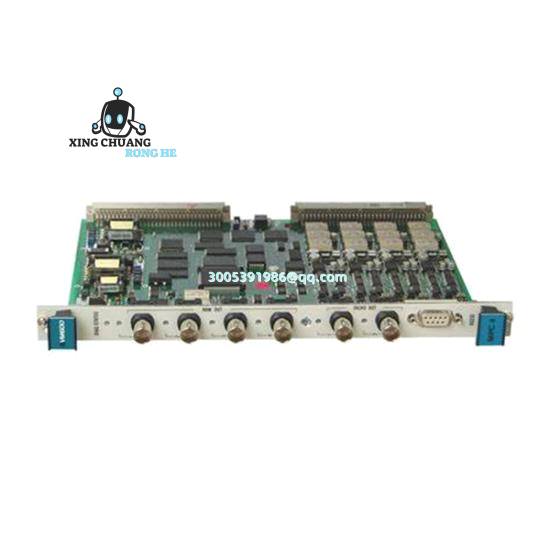
What makes it stick around? First, it handles nasty industrial noise without flinching – we’ve seen it work fine in 60°C control rooms near blast furnaces. The 16-channel monitoring isn’t just a number; it actually processes each input separately so you don’t get cross-talk messing up your data. Personally, I found the hot-swappable design saves headaches during maintenance – pull one out while the rack’s live and the system doesn’t hiccup. It’s got that old-school industrial toughness too; no fancy touchscreens to break, just solid relays that’ll trip a shutdown before bearings turn to metal confetti. Oh, and the Modbus RTU output? Plug it straight into your SCADA without begging the IT team for firewall changes. Just works, like that reliable wrench in your toolbox you reach for every time.
There are no reviews yet.