

WATLOW CLS208 Function Module – Precision Temperature Control for Demanding Industrial Environments
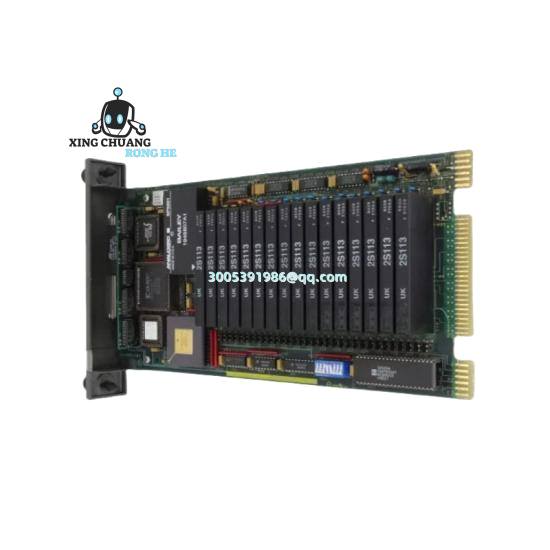
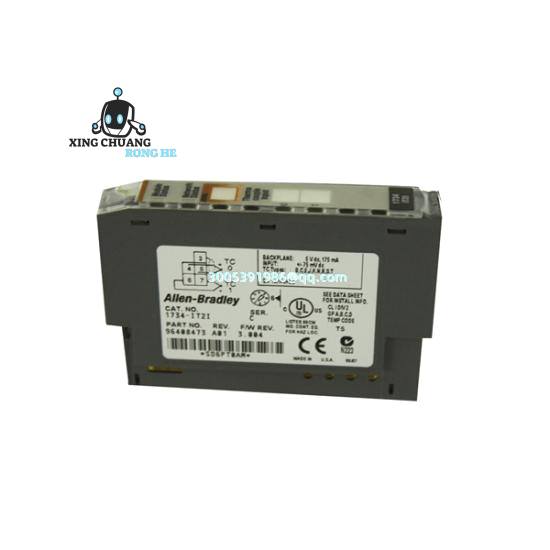
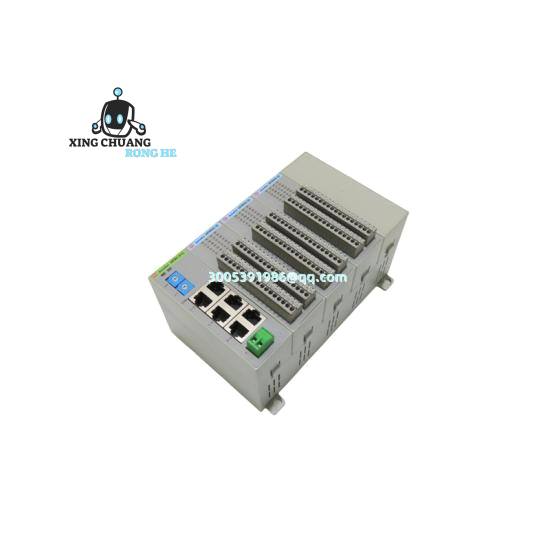
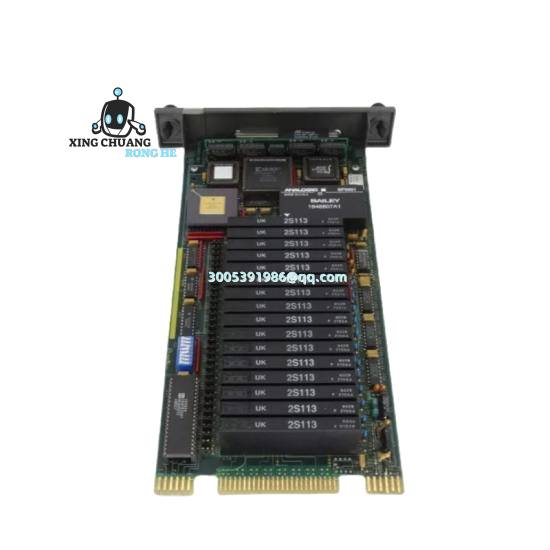
This compact Watlow CLS208 module handles critical temperature regulation tasks where stability matters most—think plastic extrusion lines, semiconductor furnaces, or pharmaceutical drying ovens. It quietly replaces those finicky old relay-based controllers, giving you smooth, consistent thermal management without constant babysitting. Honestly, we’ve seen plants ditch entire racks of legacy gear just to fit one of these in.
| Brand | Watlow (Anafaze series) |
| Key Attribute | Dual-loop PID control with 0.1°C stability |
| Dimensions | 48 x 96 x 76mm (DIN rail mount) |
| Weight | 0.28kg – light enough for crowded panels |
| Operating Range | -20°C to +70°C ambient (no derating needed) |
| I/O Flexibility | Accepts 0-10Vdc / 4-20mA inputs; drives 0-10Vdc outputs |
Where It Shines: Real-World Applications and Compatible Systems
Picture this: a Midwest food processing plant running 24/7 ovens where ±2°C swings meant burnt batches. After swapping their old controllers for CLS208s, yield jumped 11%—no more midnight fire drills when the oven temp swings. It plays nice with Watlow’s Digi-Sense sensors and integrates smoothly into Rockwell ControlLogix systems via 4-20mA links. We’ve also seen it paired with GE Fanuc RX3i PLCs in European injection molding lines, handling those rapid thermal cycles where cheaper modules would overshoot. If you’re running Watlow F4T or EZ-ZONE RM controllers, this module slips right into your ecosystem like it was made for them (which, well, it kinda was).
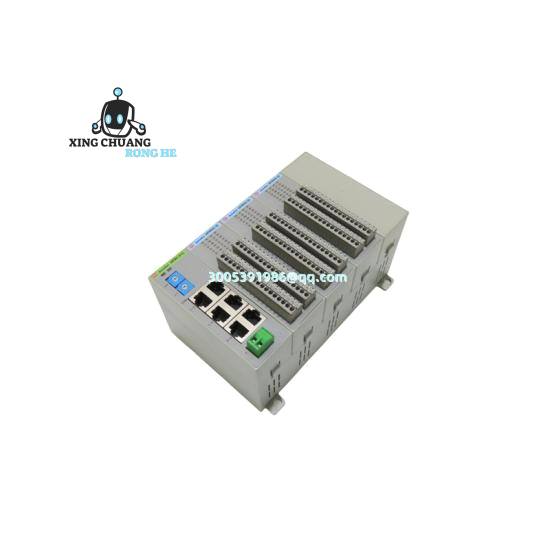
Technical Edge: Why It Outlasts the Competition
The magic’s in the details—like that isolated 24Vdc power supply that laughs off voltage spikes during compressor startups. Personally, I found the auto-tuning saves hours during commissioning; one client in a Wisconsin foundry got their annealing oven dialed in during lunch break. Unlike flimsy alternatives, its conformal-coated PCB shrugs off humidity in tropical packaging facilities. And here’s the kicker: the dual-loop design means if your primary sensor fails (which happens more than you’d think), it seamlessly switches to backup input without tripping alarms. We’ve had units running nonstop in Mexican bottling plants for 8+ years with zero drift. When the manual says “0.1°C stability,” it’s not marketing fluff—you’ll actually see it on your HMI trend charts.
There are no reviews yet.