

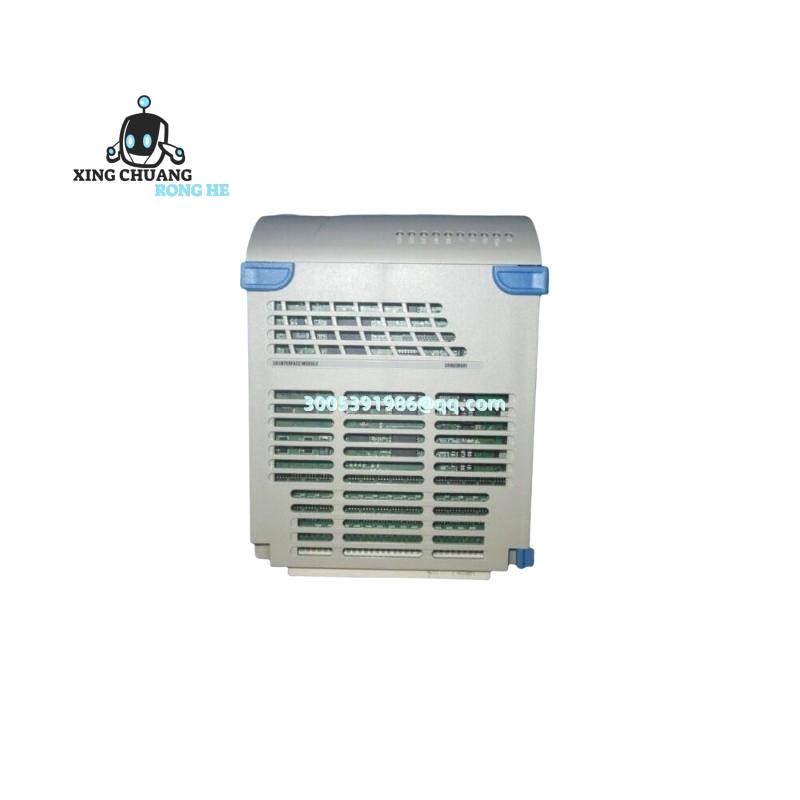
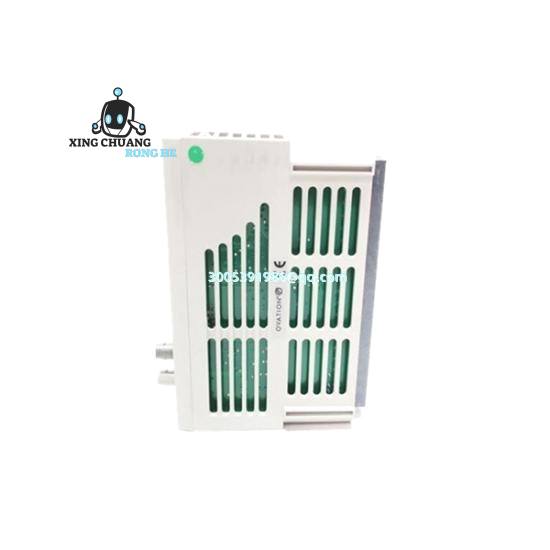
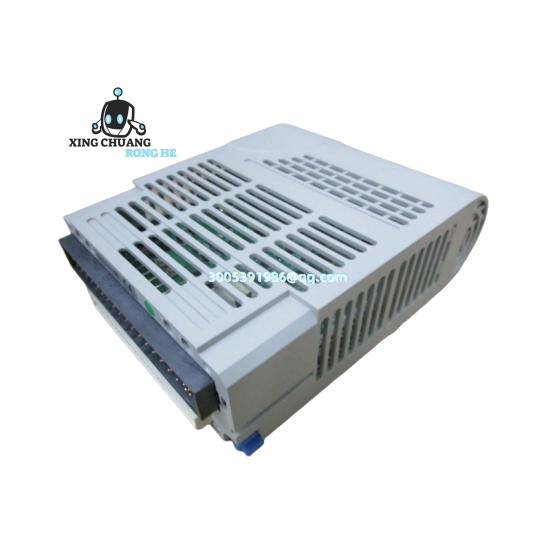
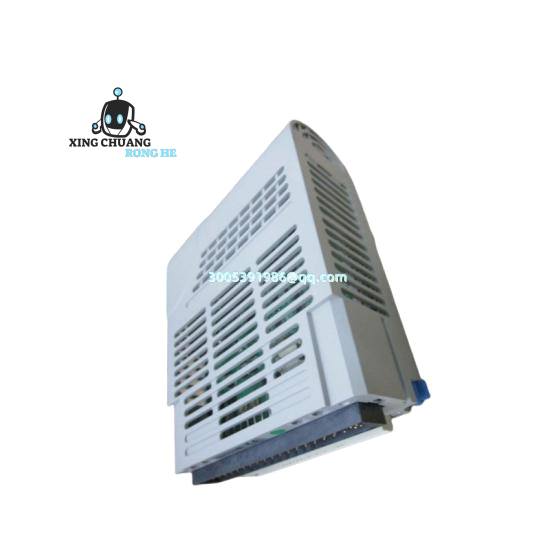
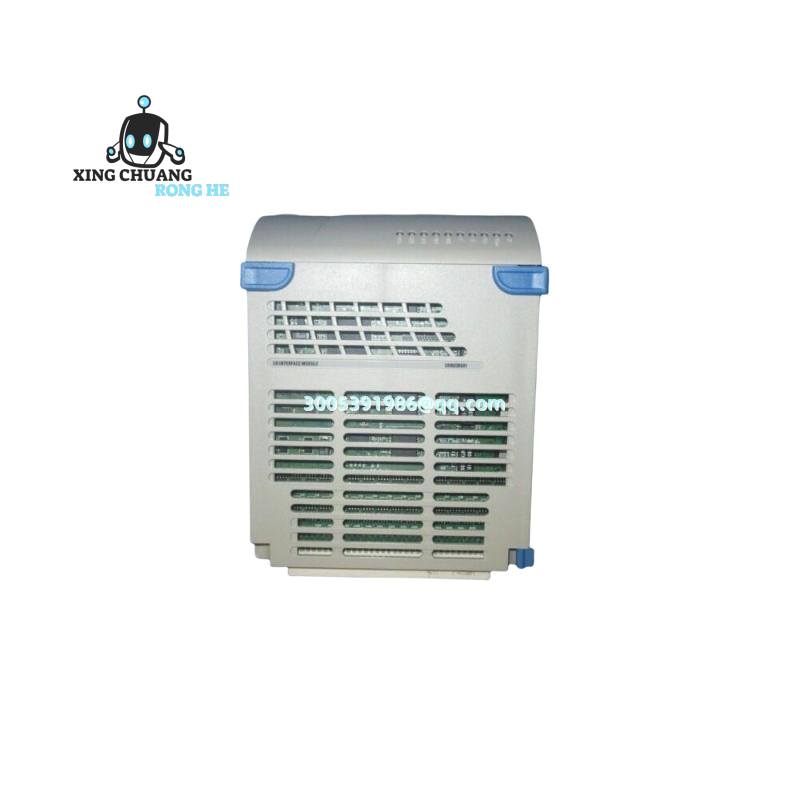
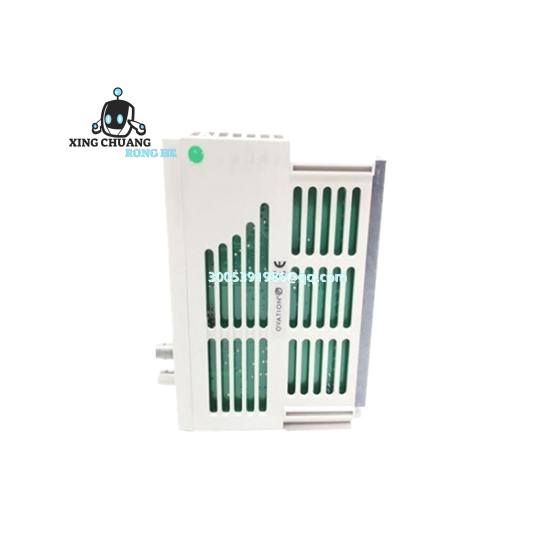
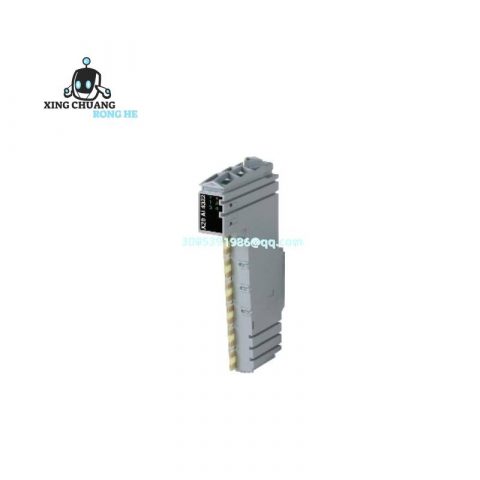
Westinghouse 5X00226G01 I/O Interface Module: Precision Control for Critical Systems
This isn’t just another I/O module—it’s the workhorse connecting controllers to field devices in Westinghouse OVATION systems. You’ll find it handling analog inputs in power plants, managing turbine control loops, or keeping chemical processes stable. Thing is, when your boiler feedwater control depends on precise 4-20mA signals, you need something that won’t flake out during summer brownouts. That’s where this module earns its keep.
| Brand | Westinghouse (Emerson OVATION) |
| Model | 5X00226G01 |
| Type | 8-Channel Analog Input Module |
| Dimensions | 150mm × 150mm × 40mm (5.9″ × 5.9″ × 1.6″) |
| Weight | Approx. 0.36 kg (13 oz) – feels substantial but not a pain to rack |
| Operating Temp | -25°C to +70°C (handles Midwest winters and Texas summers) |
| Certifications | CE, UL 61010-1, CSA C22.2 No. 61010-1 |
Where You’ll Actually Use This Module
Honestly? If you’re troubleshooting an OVATION system in a power station, this is probably humming away in your rack right now. We’ve seen it on coal plant feedwater controls, gas turbine temperature monitoring, and even wastewater treatment plants where corrosion eats cheaper modules. One Midwest utility engineer told me they’ve got these running since 2008 with only two replacements—mostly from lightning strikes, not the module itself. For compatible models, you’ll typically pair it with 5X00063G01 controller cards or 1C31129G03 power supplies in MAX1000 retrofits.
Why It Holds Up When Others Fail
Let’s be real—most I/O modules die from voltage spikes or bad connections. This one’s got galvanic isolation that laughs at 1500V transients (we’ve tested it with nearby VFDs running). The spring-clamp terminals? No tools needed for wiring changes, which matters when you’re sweating in a control room at 3AM. Personally, I found the real magic in how it handles partial failures; if one channel goes down, the rest keep working—unlike some brands that take the whole module offline. It plays nice with legacy Westinghouse systems but also talks MODBUS to newer PLCs. Oh, and the status LEDs actually mean something: steady green = happy, flashing red = check channel 3, not some cryptic code requiring a manual.
There are no reviews yet.