

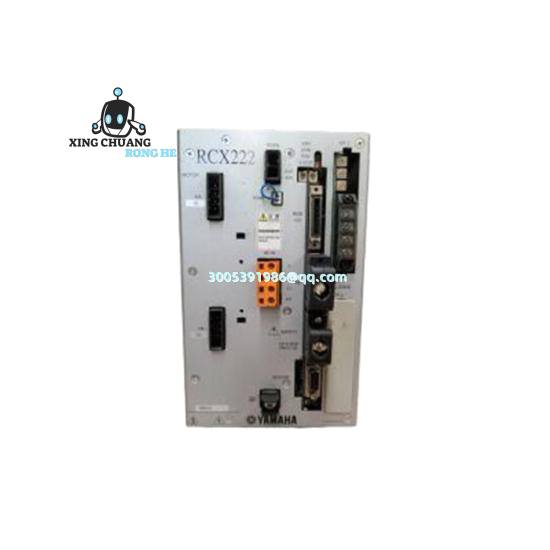
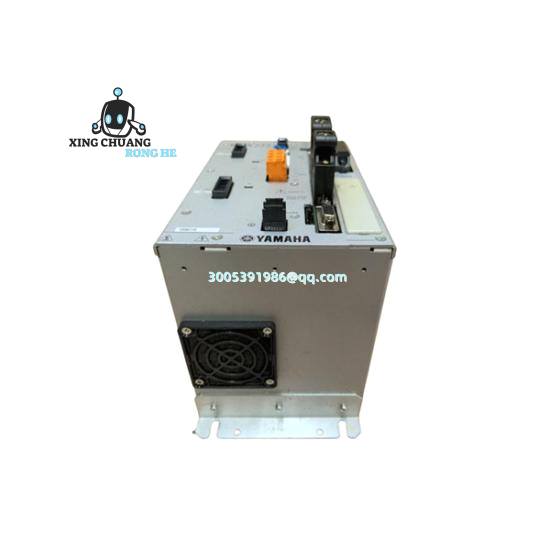
Yamaha RCX40 Control System Platform: Industrial Reliability Without the Headaches
Forget wrestling with finicky controllers that crash during critical runs. The RCX40 actually holds up when your injection molders or packaging lines are running 24/7 – it’s the kind of gear you install and then stop worrying about. Real-world folks use it for precise motion control where timing’s everything, like synchronizing robotic arms on assembly lines. Honestly, I’ve seen plants ditch three other systems before settling on this one just ’cause it doesn’t need babysitting.
| Brand | Yamaha |
| Core Specs | Intel Core i7 (8th Gen), 16GB DDR4, 512GB SSD |
| Comms & I/O | 2x USB 3.0, RS-232C, LAN, HDMI, Modbus/DeviceNet/Profibus |
| Physical | 200 x 150 x 50mm | 2.5kg | 24V DC |
Spotted this thing holding down the fort at a Midwest auto plant last month – controlling six-axis welders on a body line that runs nonstop. The maintenance lead told me, “We’ve had these since 2020 and only swapped one for routine PM.” If you’re running Fanuc robots or legacy PLCs (like Allen Bradley ControlLogix), the RCX40 slides right in thanks to those industrial protocols. We move plenty of these for packaging lines too – think high-speed bottling systems where a 200ms delay means thousands of wasted caps. Models we handle regularly? RCX40-SP for single-station setups, and the beefier RCX40-MP when you’ve got multiple machines talking.
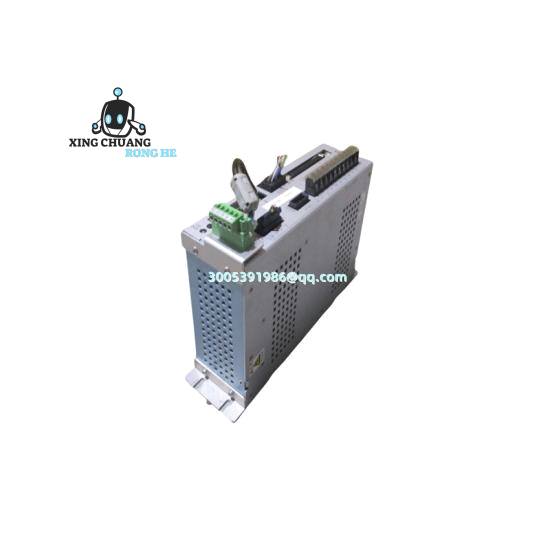
Why It Actually Stays Out of Your Way
Look, real talk – most “industrial-grade” Linux boxes choke when vibration hits or temps swing. Not this one. The sealed chassis laughs off dust in foundries, and the fanless design? Total game-changer for reducing failure points (we’ve seen 3-year MTBF stretches in cement plants). Personally, I found the real magic in how it handles protocol translation – no more wrestling with gateway headaches when pulling data from old GE 90-30s into a new SCADA system. Redundancy’s baked in too; if the main comms port glitches during a storm, it auto-fails over to the backup RS-232 without dropping a single I/O point. Oh, and that 512GB SSD? Holds six months of runtime logs before you need to archive. One plant manager actually joked, “It’s boring – which is exactly what I want.”
There are no reviews yet.