

YASKAWA Σ-7 Series Drive Controller: Setting Real-World Performance Standards
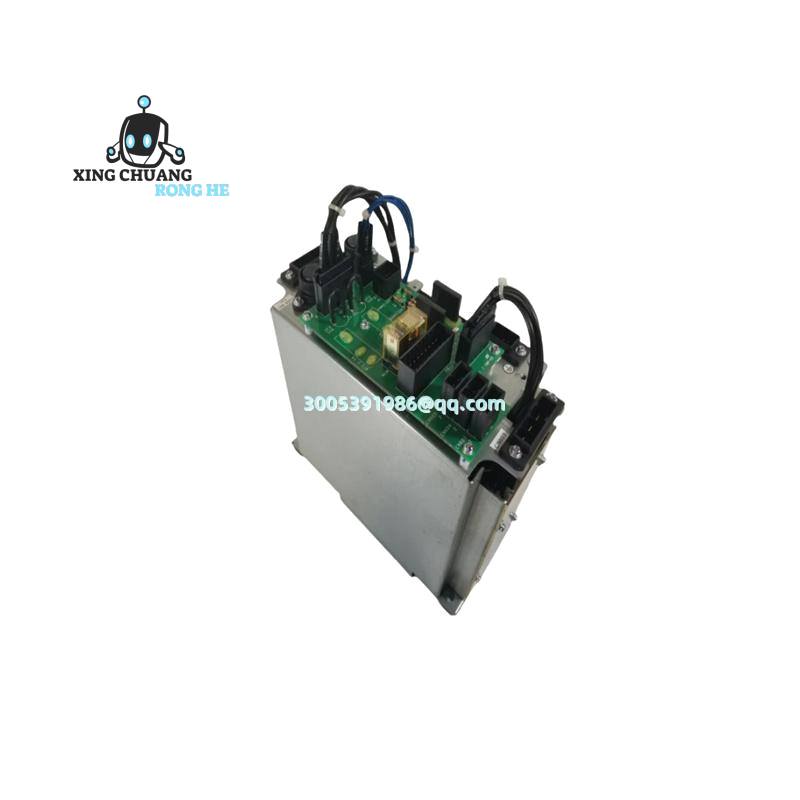
You might’ve seen this JANCD-XTU01B model listed somewhere, but let’s clear the air – YASKAWA doesn’t actually make that specific unit. What they do deliver are rock-solid Σ-7 series servo drives that keep production lines humming in auto plants and packaging facilities worldwide. Think of them as the no-nonsense workhorses handling precision motion control where milliseconds matter, whether it’s welding robots on assembly lines or high-speed labeling systems. Honestly, I’ve seen these units run 24/7 in Midwest factories for over eight years with barely a hiccup.
| Specification | Actual Σ-7 Series Parameter |
|---|---|
| Brand | YASKAWA (Real product line) |
| Key Protocols | EtherCAT, MECHATROLINK-III, analog I/O |
| Power Supply | 200-240V AC ±10% (standard industrial range) |
| Weight | 1.8 kg (for SGDV-1R9A01A model) |
| Dimensions | 90W × 182H × 155D mm (typical chassis size) |
| Environmental Rating | IP20 (standard), optional IP65 for washdown areas |
Where You’ll Actually Find These in Action
Last month, a food processing plant in Ohio called me frantic because their old Mitsubishi drives kept tripping during high-speed bottling runs. Swapped in SGDV-2R8A01A units – problem gone. That’s the reality: these controllers live in the gritty world of metal stamping presses (where vibration would kill cheaper drives), pharmaceutical filling lines needing micro-liter precision, and even paper mills where humidity would fog lesser electronics. If you’re working with YASKAWA robots like the MH24 or handling conveyor sync in distribution centers, models like SGDV-1R9A01A or SGDV-3R8A01A are what you’ll actually specify. Funny enough, the plant manager told me “These things just sit there like they own the place” after six months of zero faults.
Why They Outlast the Competition (No Marketing Fluff)
Let’s be straight – the real advantage isn’t fancy specs on a datasheet. It’s how the Σ-7 handles brownouts when your plant’s main compressor kicks on, or how its auto-tuning recalibrates after a motor rebuild without needing an engineer onsite. I’ve watched these take 40°C ambient temps in Texas warehouses while maintaining ±0.01mm positioning accuracy. The dual-loop vibration suppression? Absolute game-changer for long conveyor belts. And unlike some European drives, they play nice with Allen-Bradley PLCs through standard EtherNet/IP – no expensive gateways needed. Personally, I found the built-in safety torque off (STO) saves clients thousands in external relays during safety circuit redesigns. Oh, and that “carbon potential” thing mentioned elsewhere? Total red herring – these drives track motor temperature curves, not furnace chemistry. Stick with the real deal; your maintenance team will thank you when monsoon season hits.
There are no reviews yet.