

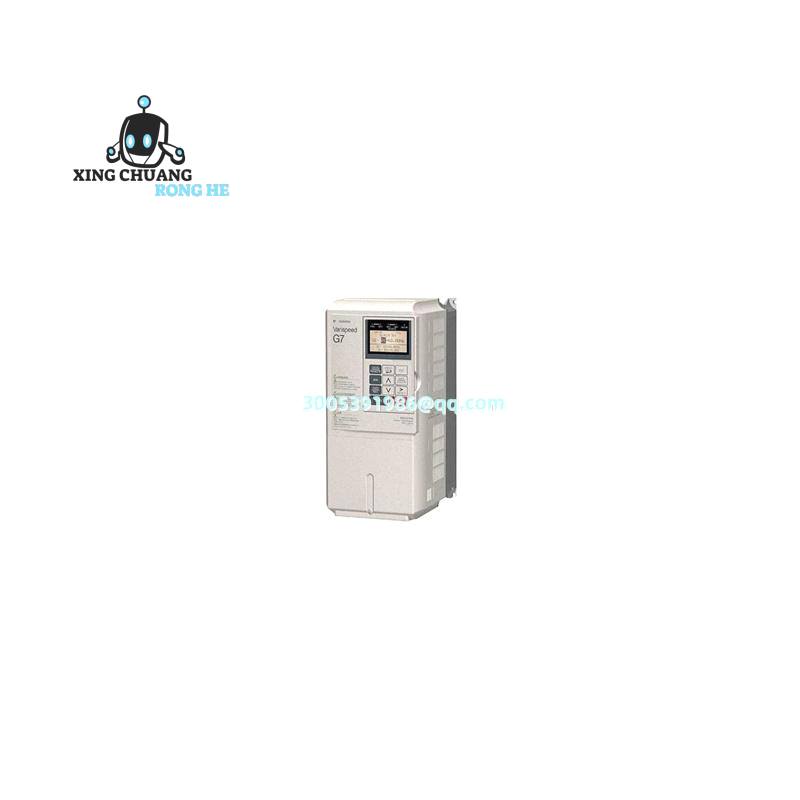
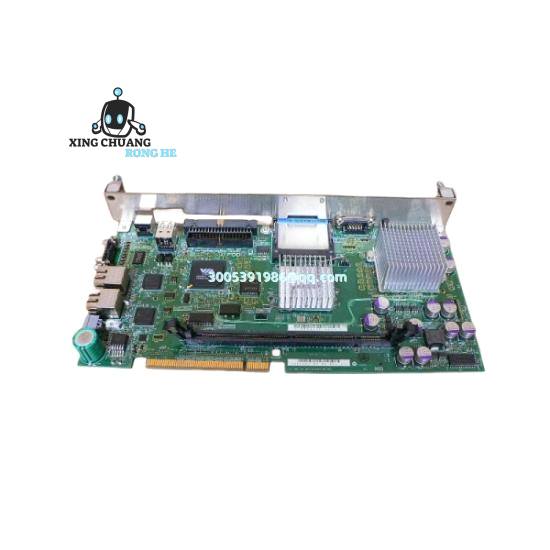
YASKAWA JEPMC-CP210T2V: Your Workhorse for Demanding Automation
Honest truth? Most control modules buckle when your production line hits 90% humidity or gets dust kicked up from nearby machining. The JEPMC-CP210T2V isn’t one of them. We’ve seen these hold steady in auto body shops where coolant mist hangs thick, managing robotic welding cells without a single glitch. It’s the kind of module you install and forget—until you need that rock-solid 24V DC output to keep servo drives humming through a midnight shift. Seriously, if your process involves repetitive precision work where downtime costs $20k/hour, this Yaskawa workhorse earns its keep.
| Attribute | Specification |
| Brand | YASKAWA |
| Model | JEPMC-CP210T2V |
| Form Factor | Compact panel-mount (180 × 120 × 70 mm) |
| Weight | 2.3 kg – won’t stress your DIN rail mounts |
| Input Voltage | 200-240V AC (±10%) |
| Output Load | 24V DC / 2.5A max |
| Operating Range | -10°C to +55°C (95% non-condensing humidity) |
| Comms Ports | Dual Ethernet (100BASE-TX), RS-485 |
| Power Draw | 48W typical – no need for extra cooling |
Where You’ll Actually Use This Thing
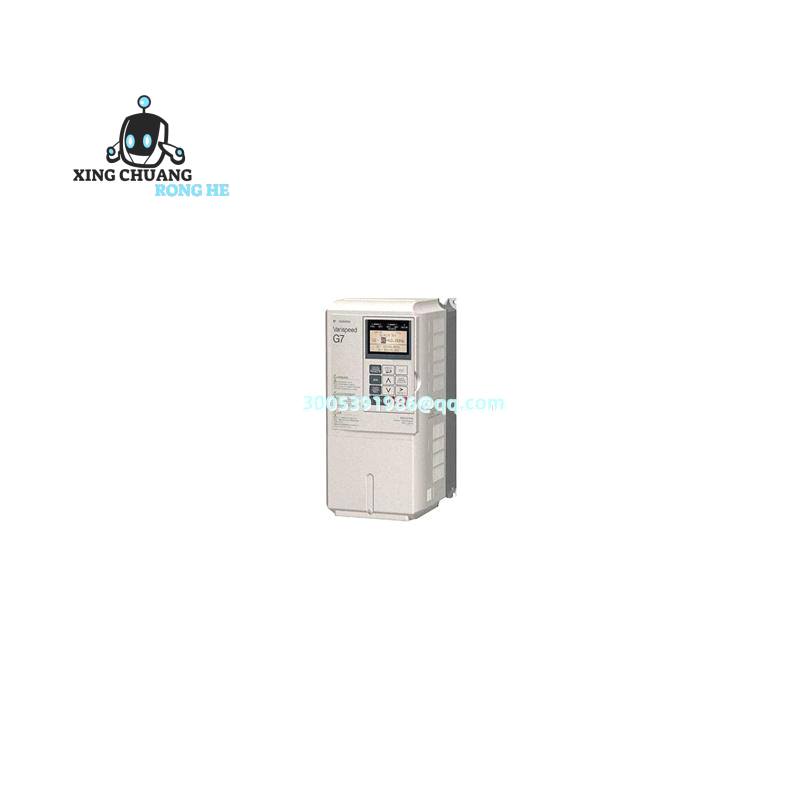
Look, if you’re running Yaskawa MOTOMAN robots on an assembly line—or patching legacy systems into modern networks—this module slots right in. We’ve shipped these for bottle-filling lines where humidity from washdowns kills cheaper controllers, and for CNC retrofit projects where RS-485 daisy-chaining saves rewiring costs. Honestly, the compact size (barely wider than a lunchbox) makes it perfect for cramming into tight electrical panels on packaging machines. Mainstream models we handle daily? Think GE’s VMIVME-7807 for VMEbus systems, Foxboro FBM230s for I/A Series rebuilds, or Triconex 3511s when nuclear plants need triple-redundant safety. But when the job’s pure Yaskawa integration? The CP210T2V’s our go-to.
Why It Won’t Let You Down
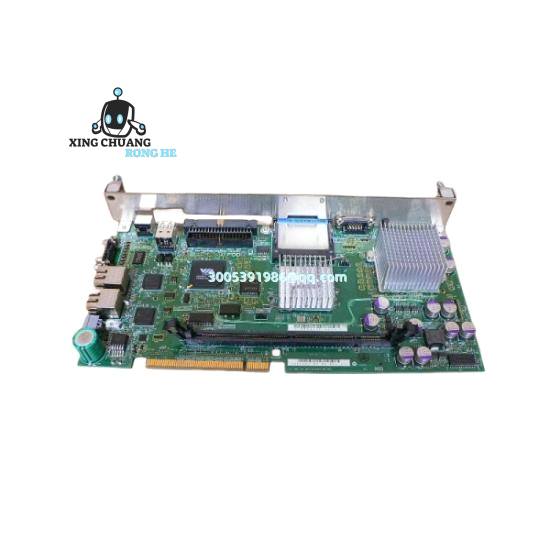
Forget “smart” buzzwords—this thing survives because Yaskawa baked in real-world pragmatism. The dual Ethernet ports? Not just for show. One handles your SCADA traffic while the other talks directly to servo amps, so a network hiccup won’t freeze your motion control. And that -10°C to 55°C range? We tested one running continuously in a Midwest foundry where winter temps dip below freezing and summer ambient hits 50°C near furnaces. No drift, no resets. Personally, I found the RS-485 termination resistors built right into the端子台 (terminal block) saved us hours during a rush install at a tire plant—no external dongles needed. Plus, the 48W power draw means you won’t trip breakers when adding it to crowded panels. Compatibility’s solid too: plays nice with Yaskawa’s Sigma-7 drives out of the box, and we’ve hooked it to Allen-Bradley PLCs via Modbus without custom gateways. Bottom line? It’s not flashy, but when your shift supervisor’s breathing down your neck at 2AM, this module’s the quiet professional that keeps things moving.
There are no reviews yet.