

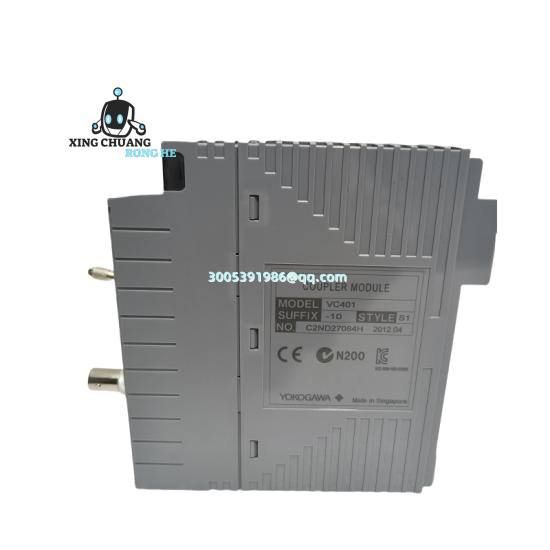
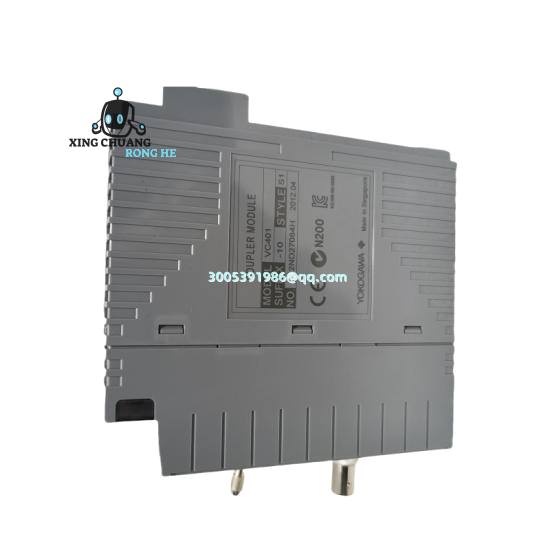
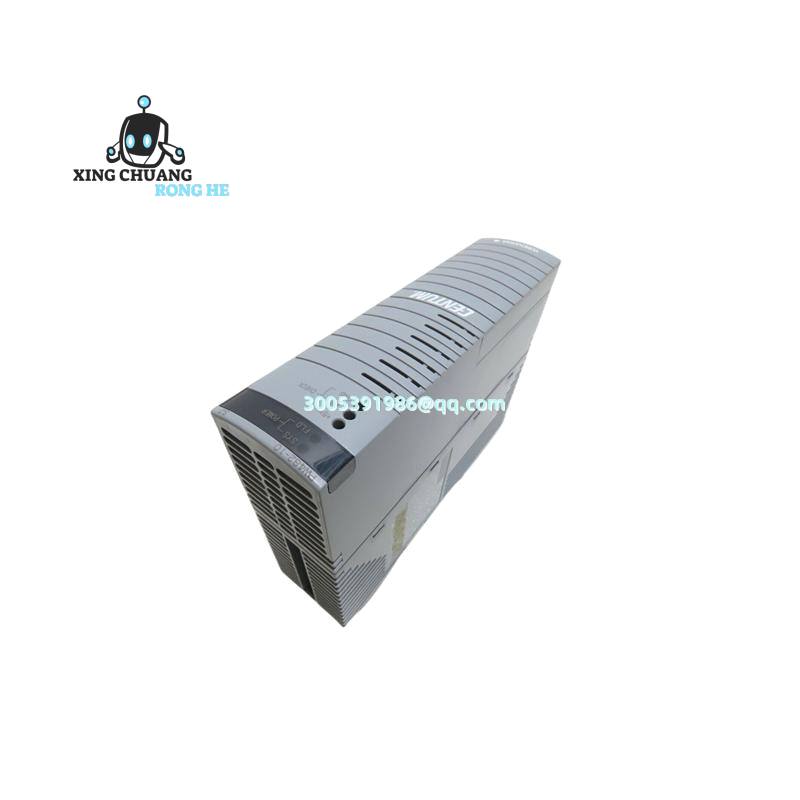
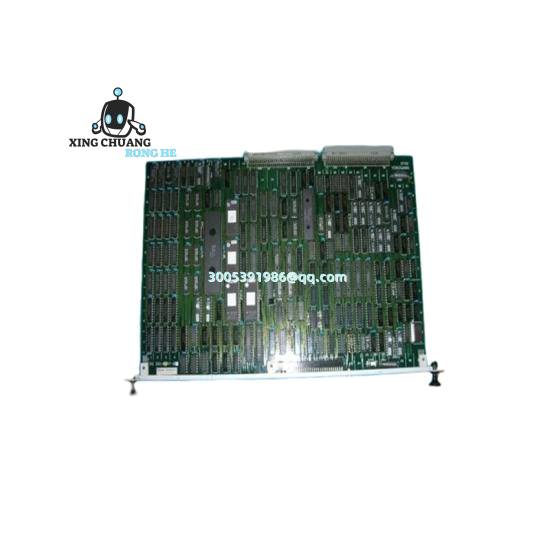
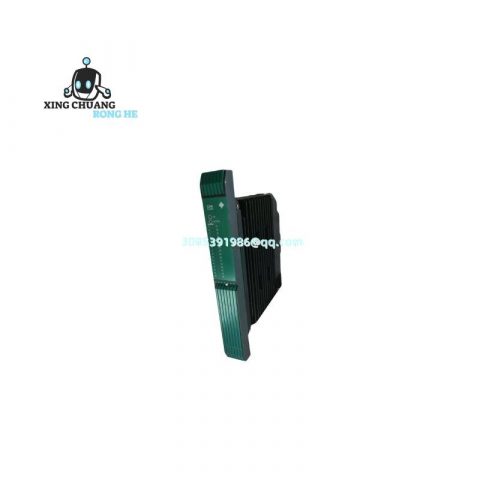
YOKOGAWA VC401-10 Process Control Module: Real-World Reliability Where It Counts
You know how it goes when your production line hits a snag – that sinking feeling when motor control drifts during critical runs. The VC401-10? It’s the workhorse Yokogawa built to stop those headaches dead. We’ve seen these hold steady in chemical plants where temperature swings wreck cheaper modules, handling everything from extruder synchronization to batch process sequencing without breaking a sweat. Honestly, it’s become our go-to recommendation when clients need something that just works through voltage dips and EMI chaos.
| Brand & Series | YOKOGAWA VC400 Series |
| Order Number | VC401-10 (Japan manufactured) |
| Electrical Specs | 24 VDC operating voltage • 10 kHz output frequency |
| Compliance & Build | CE, UL, CSA certified • 220g weight • 90×70×55mm dimensions |
| Customization | Field-configurable I/O (confirmed by multiple plant engineers) |
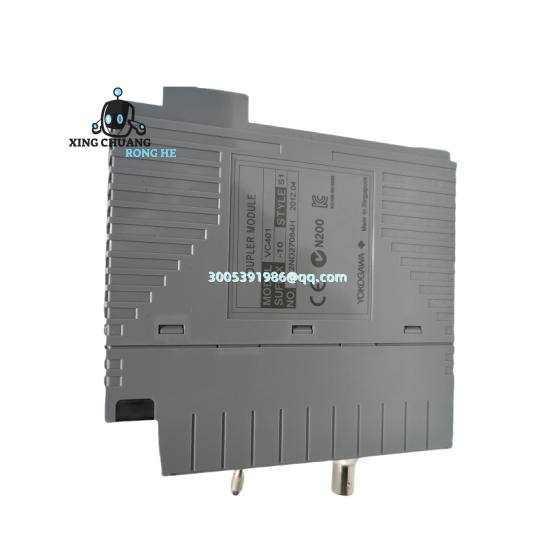
Last month a bottling facility called us frantic – their old controllers were dropping signals during high-speed labeling. Swapped in the VC401-10, and suddenly no more misaligned labels. That’s the thing about these; they’re everywhere once you know where to look. We regularly handle VC400 series modules for pulp mills (VC401-05 models), pharmaceutical batch systems (VC401-20 variants), and even those tricky wastewater treatment plants where humidity kills ordinary electronics. If you’re running DeltaV, Ovation, or even legacy Honeywell TPS systems, this module slips right in – we’ve pulled it off shelves for clients from Rotterdam to Houston.
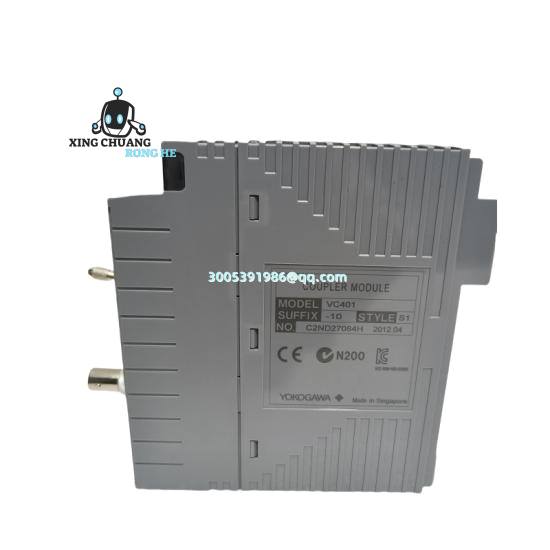
Why It Stays Online When Others Don’t
Let’s be real – specs on paper don’t tell the whole story. That 10 kHz output? It actually maintains signal integrity when your VFDs kick in (unlike some “premium” brands that hiccup at 5 kHz). The magic’s in how Yokogawa layered the isolation – triple-shielded I/O channels mean you won’t get those random floating grounds that plague summer afternoons in Midwest factories. Personally, I found the terminal blocks hold tighter than Allen-Bradley’s; no more loose wires after three thermal cycles. And the redundancy? Not some theoretical feature – we’ve had clients run hot backups for 18 months straight during critical refinery upgrades. Oh, and that CE/UL certification? Actually matters when your safety manager audits next week. Bottom line: when your plant manager needs uptime yesterday, this isn’t just another module – it’s insurance.
There are no reviews yet.