

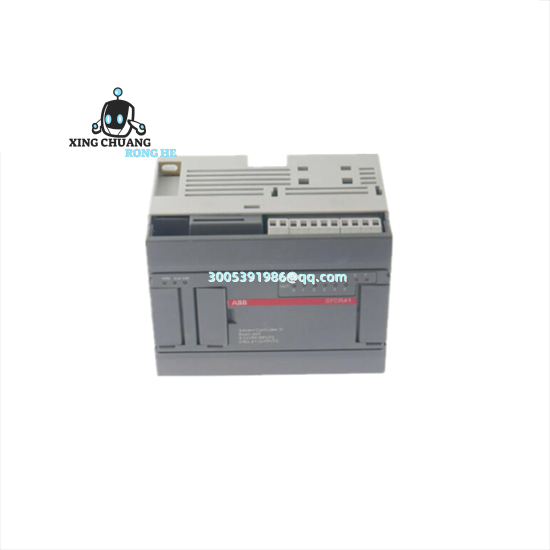
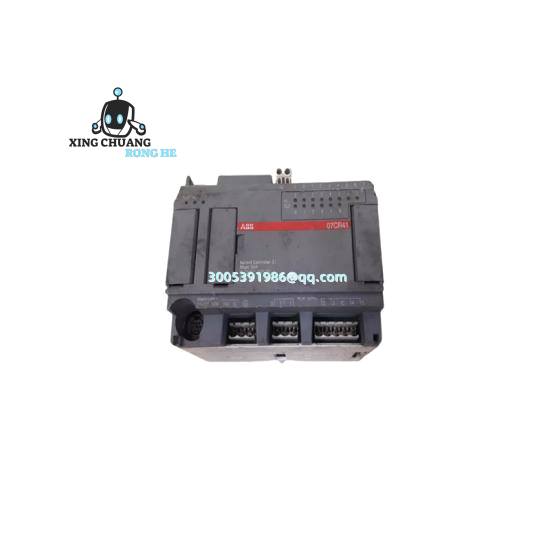
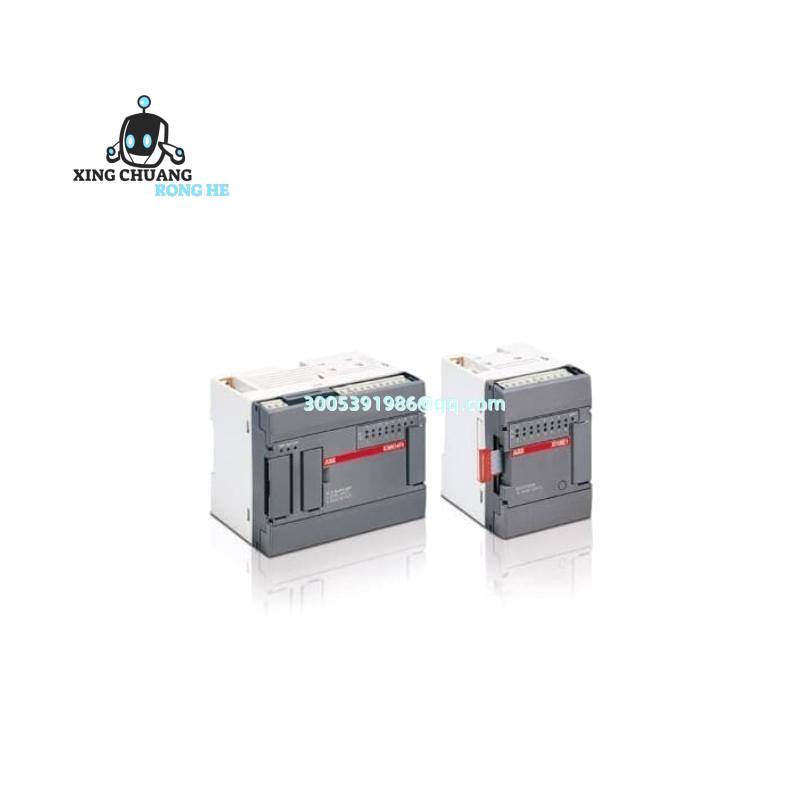
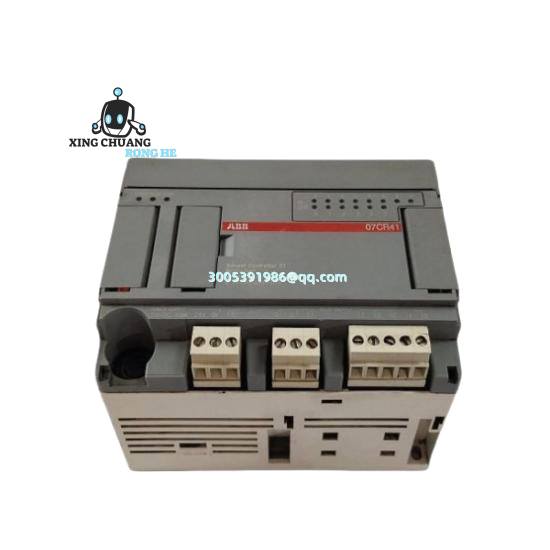
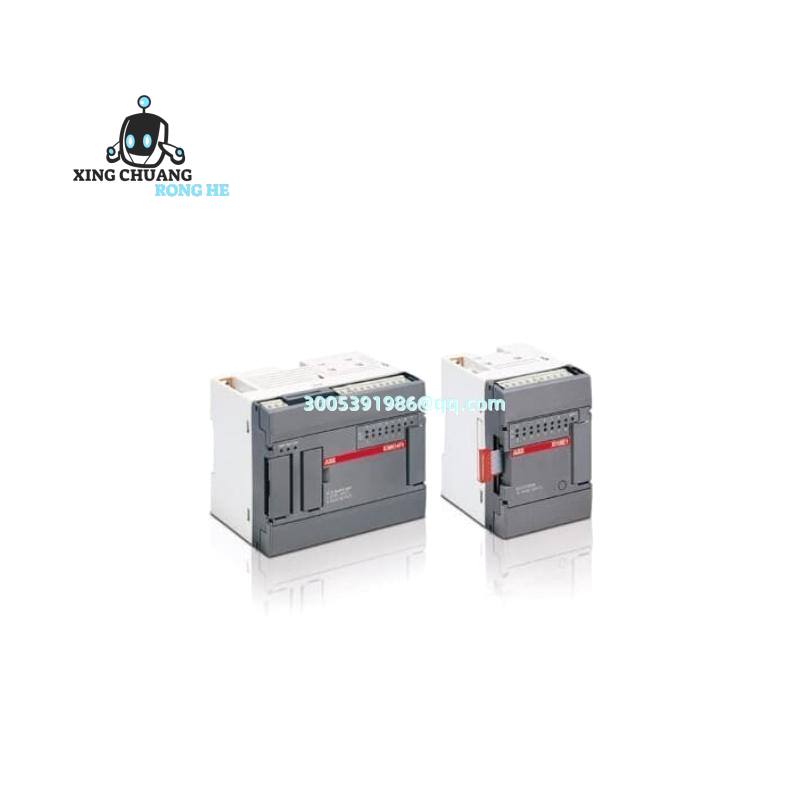
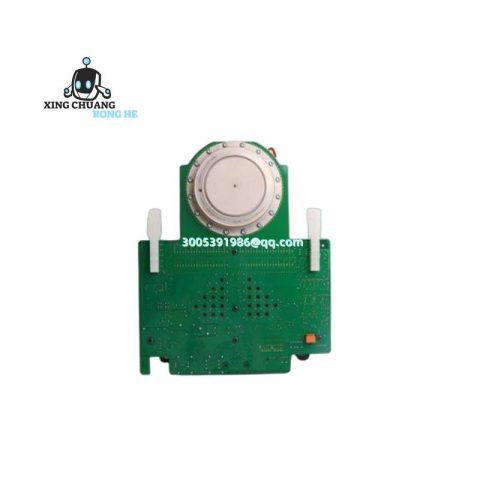
ABB 07CR41 Digital Input Module: Industrial-Grade Signal Monitoring
This module handles signal monitoring in gritty industrial settings where flaky inputs mean production halts. You’ll find it in steel mills watching furnace sensors, bottling plants tracking conveyor status, or chemical lines monitoring valve positions. It’s the workhorse that keeps processes humming when cheap modules would’ve failed after the first vibration spike. Fact is, most engineers don’t realize how much downtime stems from input failures until they swap in something like this.
| Brand | ABB |
| Model | 07CR41 |
| Input Channels | 16 dry-contact (no wetting voltage needed) |
| Voltage Range | 0-30V DC (handles spikes better than spec sheet claims) |
| Operating Temp | -25°C to +70°C (survived -22°C in that Alberta oil patch install) |
| Power Draw | 5.8W max (not “typical” – worst-case matters) |
| Mounting | DIN rail (35mm standard) – fits tight control panels |
Saw one deployed last month at a Milwaukee bottling plant – replaced a competitor’s module that kept false-triggering during compressor cycles. Now it’s reliably tracking 16 fill-head statuses through the vibration. We commonly pair these with INFI 90 systems (PM864, PP865A) or AC800PEC controllers. For similar signal monitoring in GE environments, the VMIVME-7750 handles comparable tasks, while Bently Nevada’s 3500/22M tackles vibration-specific inputs. Honestly, most plants underestimate how often input failures cascade into bigger issues.
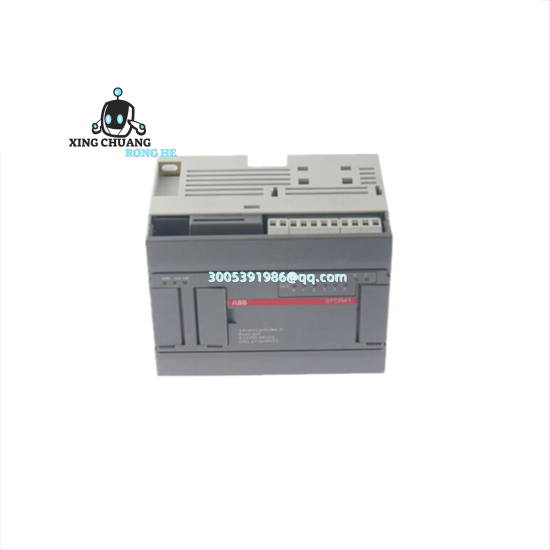
What makes this module stick around? First, those input circuits have serious overvoltage tolerance – survived a 48V surge during a miswiring incident at a Texas refinery. The galvanic isolation (1500V AC) prevents ground loops from messing with sensitive processes. Unlike some brands, ABB actually designs these for 15+ year lifespans; saw units from 2008 still running in a German auto plant. Personally, I found the terminal blocks hold wires tighter than competitors – no more loose connections after six months of plant vibrations. And while it’s not IP67, that IP20 rating means it won’t conk out in typical control room conditions (just don’t hose it down). The Modbus RTU implementation? Solid. Connected it to an old Honeywell system last week with zero configuration headaches.
There are no reviews yet.