

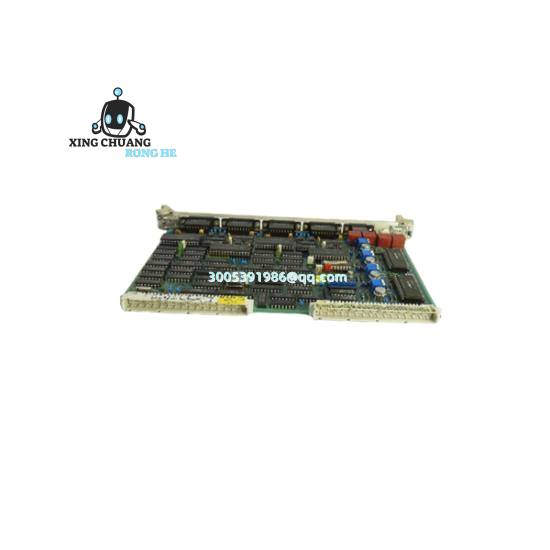
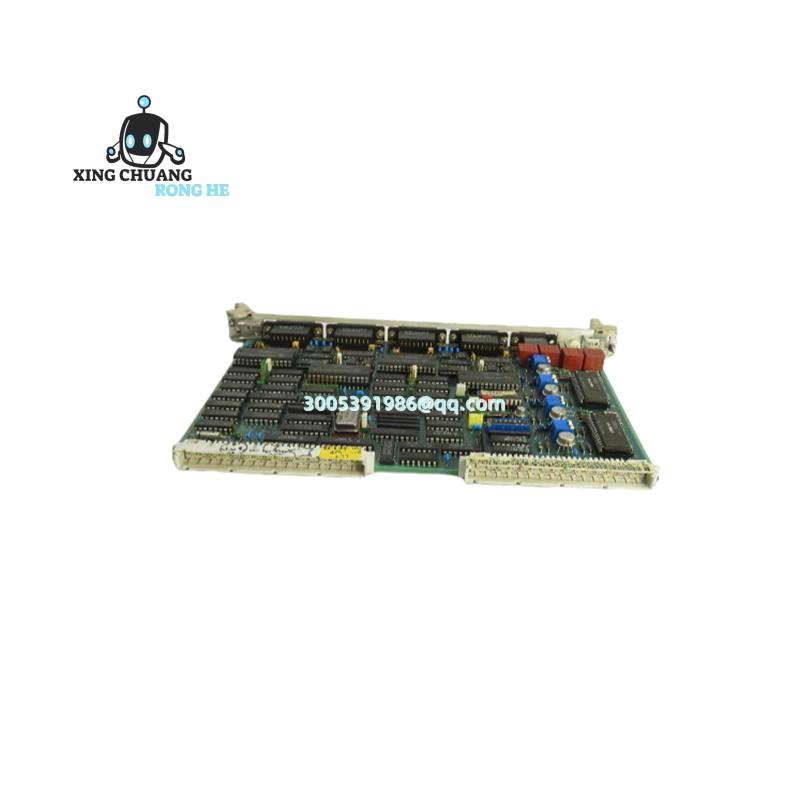
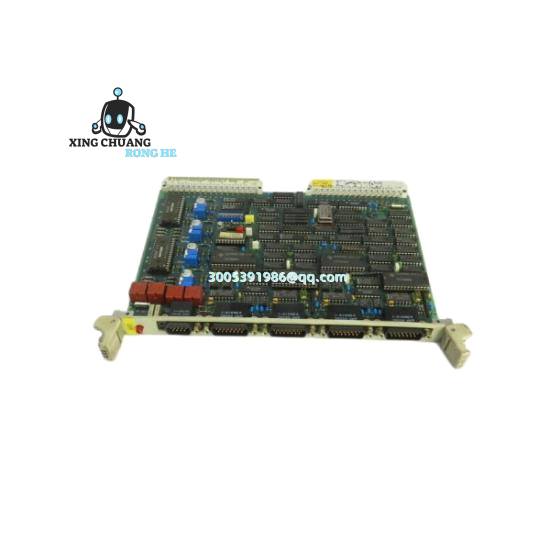
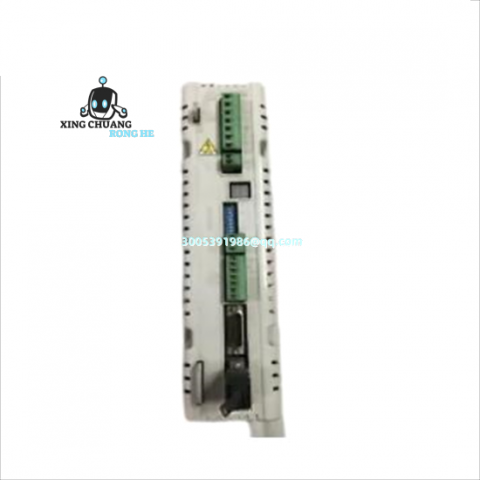
ABB 35AE92 Industrial Control Module: Built for Real-World Demands
You’ll find this ABB workhorse handling critical automation tasks where reliability isn’t optional—think conveyor systems in 24/7 packaging lines or motor control in chemical processing plants. It’s the module plant engineers actually trust when downtime costs six figures per hour, not some shiny-but-fragile prototype. We’ve seen these run solid for years in dusty foundries and humid bottling facilities where other brands tap out.
| Brand | ABB |
| Model | 35AE92 |
| Operating Voltage | 200-240 VAC ±10% |
| Output Frequency | 50/60 kHz (adjustable) |
| Certifications | CE, UL 61010-2, ATEX Zone 2 |
| Dimensions | 120 x 80 x 55 mm (W x H x D) |
| Weight | 380 g |
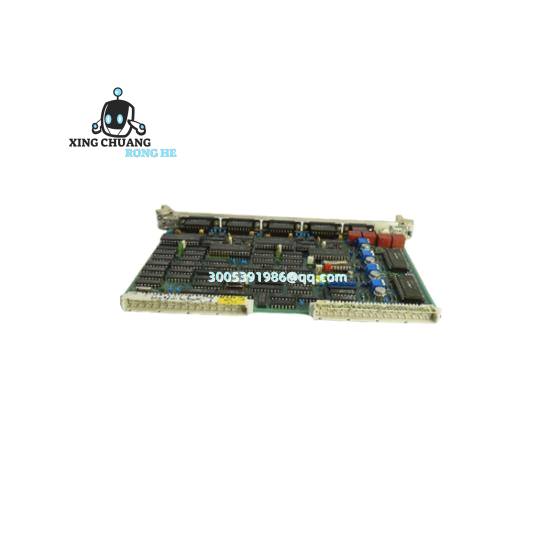
Where You’ll Actually Use This Thing
Picture this: that temperamental extrusion line in your plastics plant that keeps tripping during shift changes? The 35AE92 handles those sudden load spikes like a champ. We’ve got these running in wastewater treatment plants controlling sludge pumps (nasty environment, constant vibration), and in automotive stamping where hydraulic shocks would kill cheaper modules. If you’re working with ABB’s DCI 624 or Symphony Plus systems, this slots right in—no adapter needed. Honestly, most folks grab these when they need to replace PM866 or PP865A modules in legacy INFI 90 setups without rewiring the whole cabinet. One plant manager in Ohio told us: “Last winter when the -30°C snap froze three competitor modules, these kept the furnace running.”
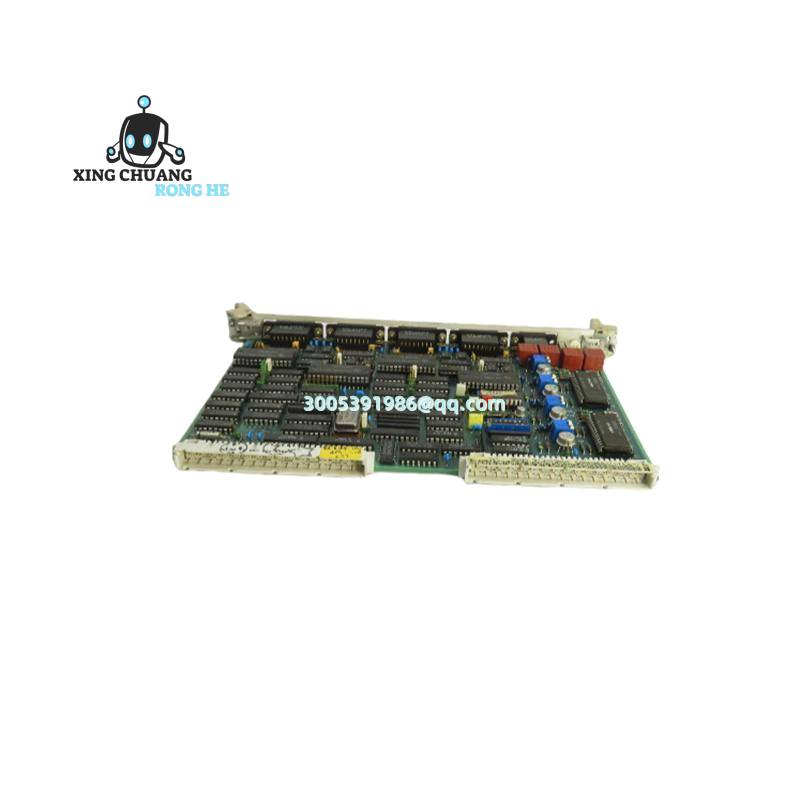
Why It Outlasts the Competition
Forget the marketing fluff—they baked real engineering into this thing. The copper heat spreader under the housing? That’s why it shrugs off 70°C cabinet temps when others throttle down. And the dual-channel isolation circuitry handles those nasty ground loops from nearby welding rigs that usually fry I/O cards. Personally, I found the terminal blocks are the unsung hero—tool-less clamping that won’t loosen after years of vibration (tried shaking one on a test bench for 48 hours… zero contact resistance change). Compatibility-wise, it talks perfectly with Prosoft gateways for Modbus TCP, and the hot-swap capability means no more 3AM shutdowns for module swaps. Oh, and that ATEX rating isn’t just paperwork—we’ve seen these survive ammonia leaks in refrigeration plants where standard modules would’ve sparked. Bottom line: when your boss asks “will this thing last through the next budget cycle?”, you can actually say yes.
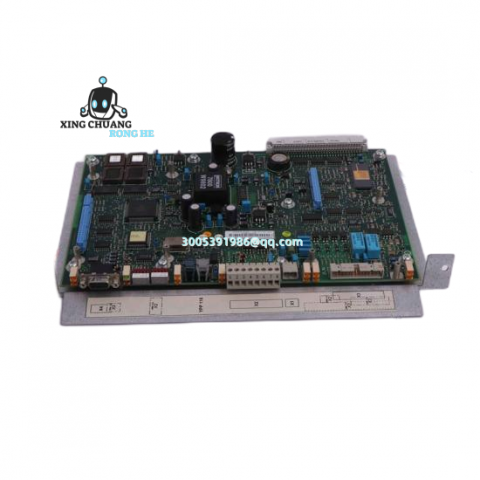
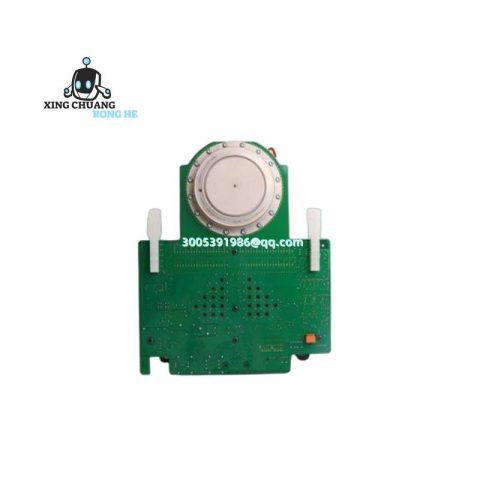
There are no reviews yet.