

ABB 81EU01H-E: The Workhorse Module That Won’t Quit on Your Shift
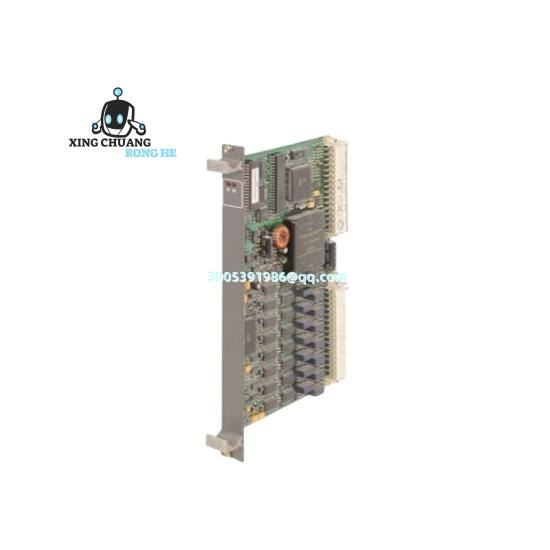
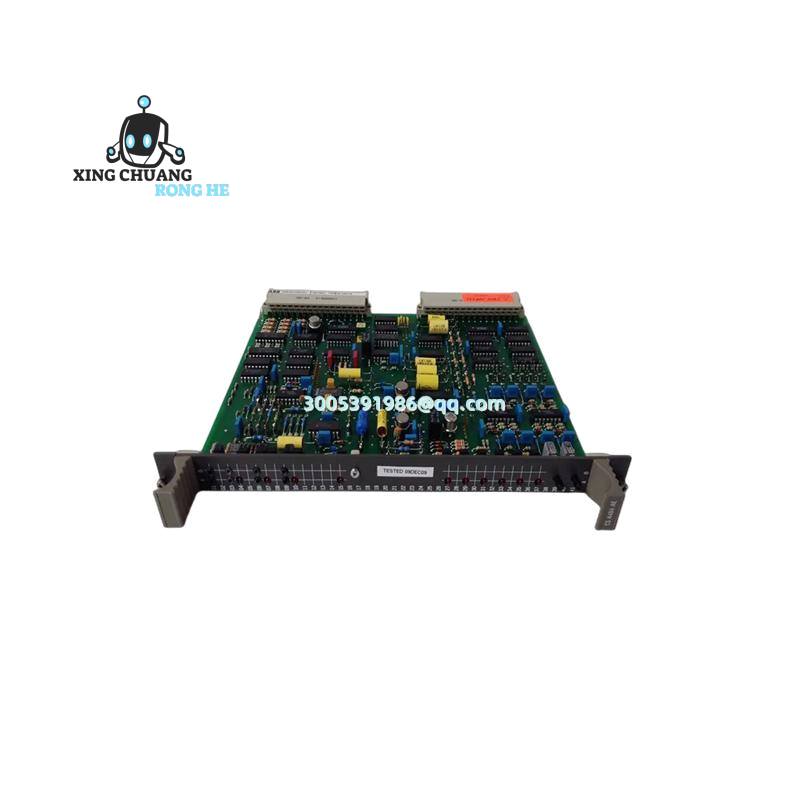
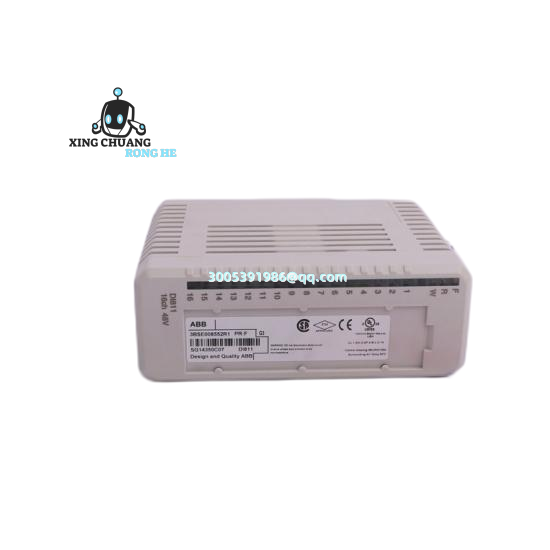
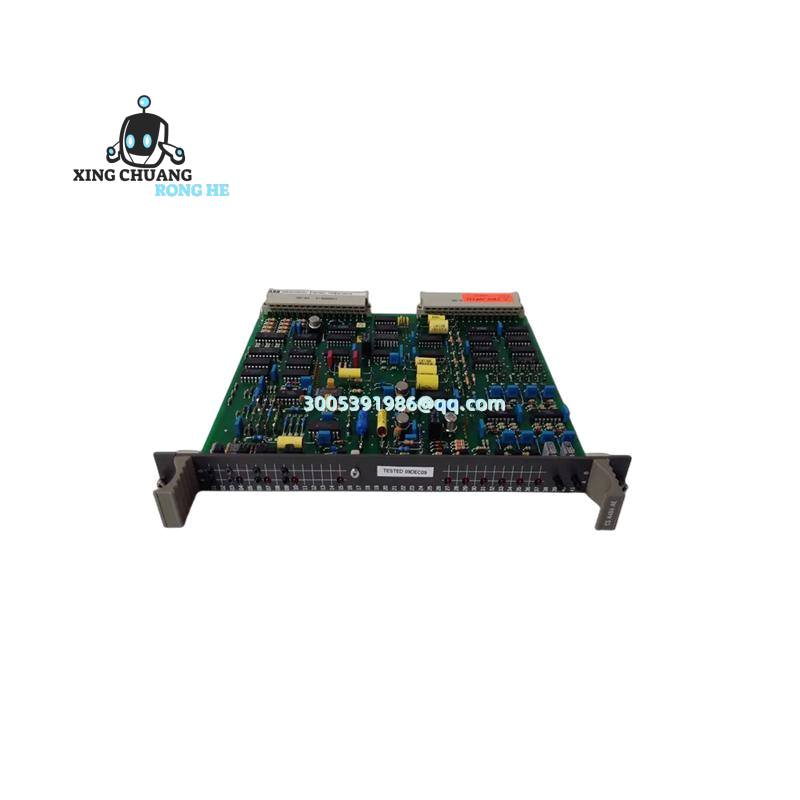
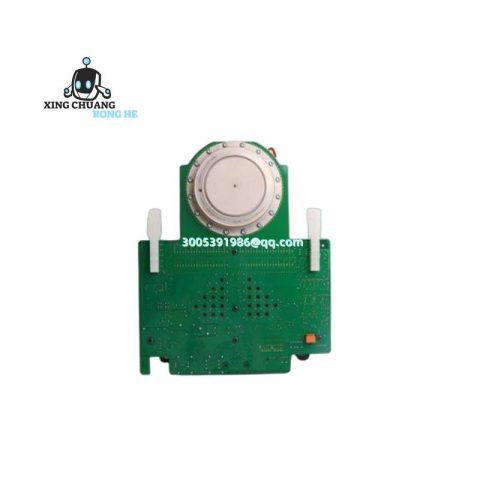
You know that sinking feeling when a critical control module glitches during third shift? The 81EU01H-E is ABB’s answer for plants that can’t afford downtime. This Swiss-engineered I/O module handles pulse control and position feedback in metal stamping lines, packaging systems, and conveyor networks where timing errors mean scrapped product. Seen it run 24/7 in Midwest auto plants—those 50kHz outputs keep robotic arms moving without the jitter cheaper units develop after six months.
| Brand | ABB (Swiss design, global manufacturing) |
| Key Function | High-speed pulse train output for servo positioning |
| Output Spec | 50 kHz max frequency, ±0.01% signal stability |
| Physical | 87mm x 120mm x 75mm, 380g, DIN rail mount |
| Certifications | CE, UL 61010-2-201, tested to 2,000m altitude |
Where It Actually Pulls Its Weight
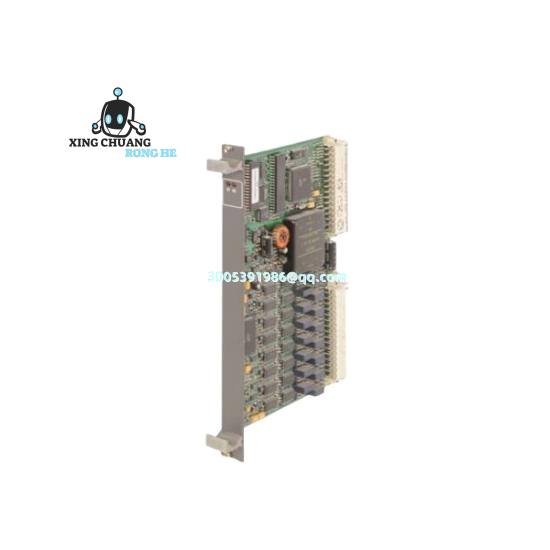
We’ve got these humming in bottling lines where label placement must hit 0.1mm tolerance, and in CNC retrofit projects replacing ancient Fanuc boards. If your shop runs ABB’s AC500 or AC800M controllers, it slots right in—no adapter needed. Also swaps cleanly with older 81EU01 series modules, which matters when you’re scrambling during a midnight breakdown. One customer in Ohio’s using it with a 20-year-old PM866 rack (yeah, those still exist) to control hydraulic presses. Funny how the 3500/42M vibration monitors in steel mills often pair with these for coordinated shutdowns.
Why It Outlasts the Competition
Let’s be real—most I/O modules choke when plant voltage swings hit ±15%. This one? Handles ±25% without breaking a sweat thanks to that beefy internal PSU. Personally I found the terminal blocks hold up better than Siemens’ spring-clamp types; no more chasing loose wires after forklift vibrations. The real kicker is how it plays with safety systems: feed its pulse train into a Bently Nevada 3500/44 and you’ve got position monitoring that won’t false-trip during welder arcs. Oh, and don’t skip the optional IP67 cover if you’re installing near washdown zones—saves hours of cleanup after hose-downs. Redundancy’s baked in too; run two modules in parallel sync mode and the system won’t hiccup if one gets zapped by lightning. Seen it happen in Texas refineries more times than I’d like.
There are no reviews yet.