

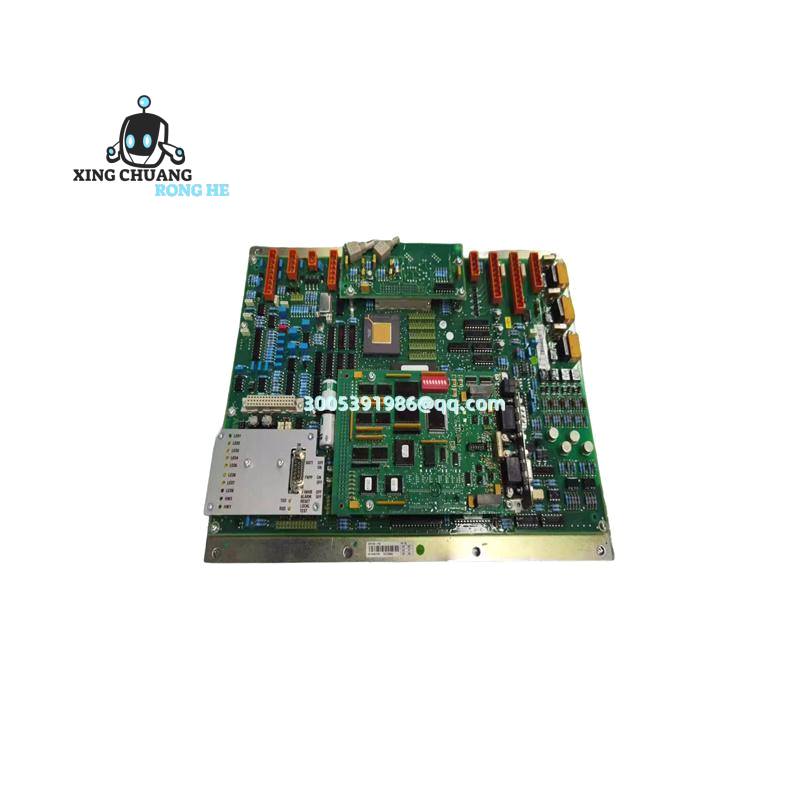
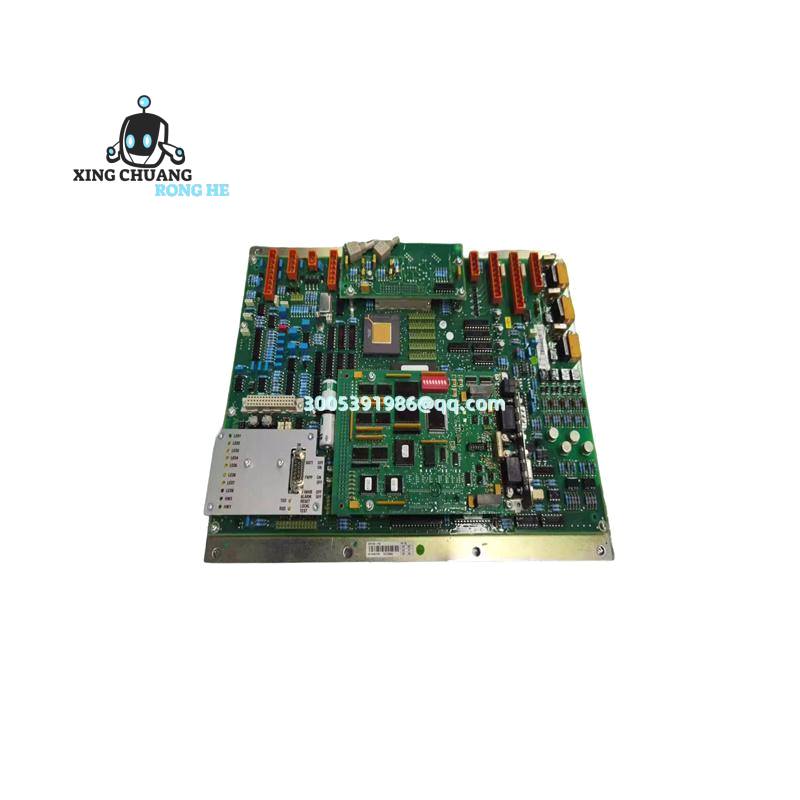
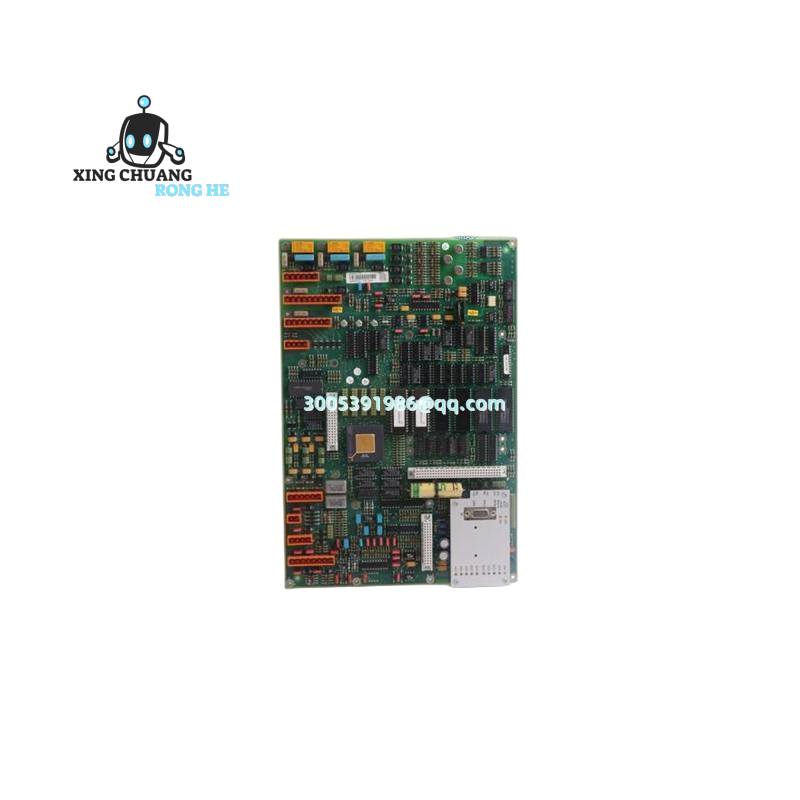
ABB DTCC901B Industrial Control Module: The Workhorse You Can Actually Trust
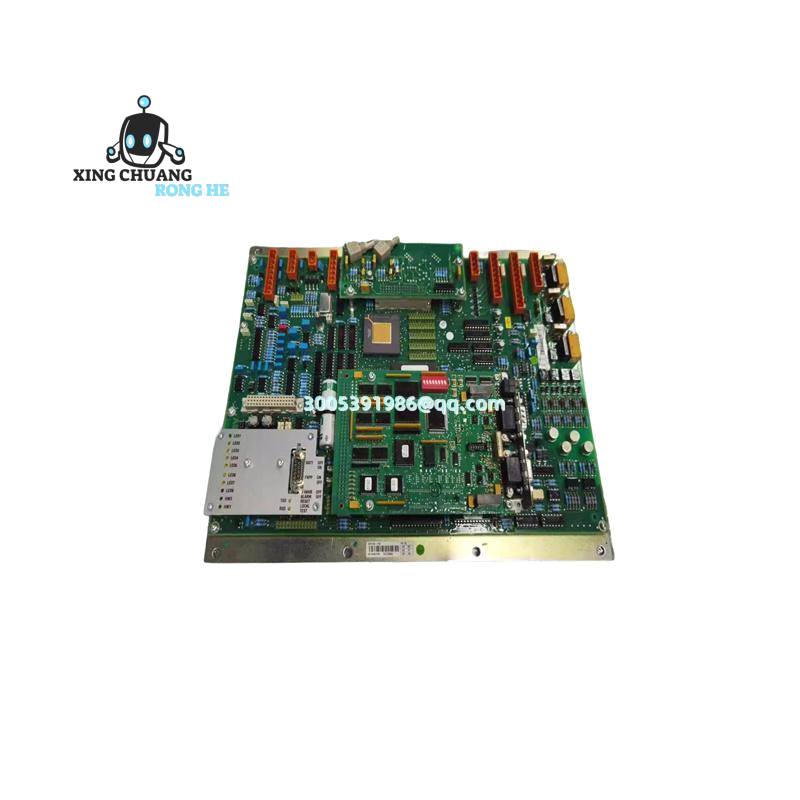
You know how some control modules look great on spec sheets but crumble when the plant gets messy? The DTCC901B isn’t one of them. We’ve seen these hold up in steel mills where dust coats everything, chemical plants with corrosive vapors, and offshore rigs where salt spray eats lesser gear for breakfast. It’s the kind of module you install and then forget about – until you need it to pull your bacon out of the fire during that midnight shift emergency. Honestly, if your process involves critical motor control or safety interlocks, this is the quiet soldier you want in your cabinet.
| Attribute | Detail |
|---|---|
| Brand | ABB |
| Model | DTCC901B |
| Voltage Range | 100-240V AC (±10%), handles brownouts better than most |
| Temp Range | -40°C to +70°C (derate above 55°C – seen too many failures ignoring this) |
| Comms | Modbus TCP/IP + RS-485 (dual ports – lifesaver for daisy-chaining) |
| Size/Weight | 142 x 95 x 48mm / 1.3kg (fits tight panels – had one squeezed next to a transformer once) |
| Protection | IP65 front / IP20 rear (don’t trust that IP67 claim for field mounting) |
Where It Actually Pulls Its Weight
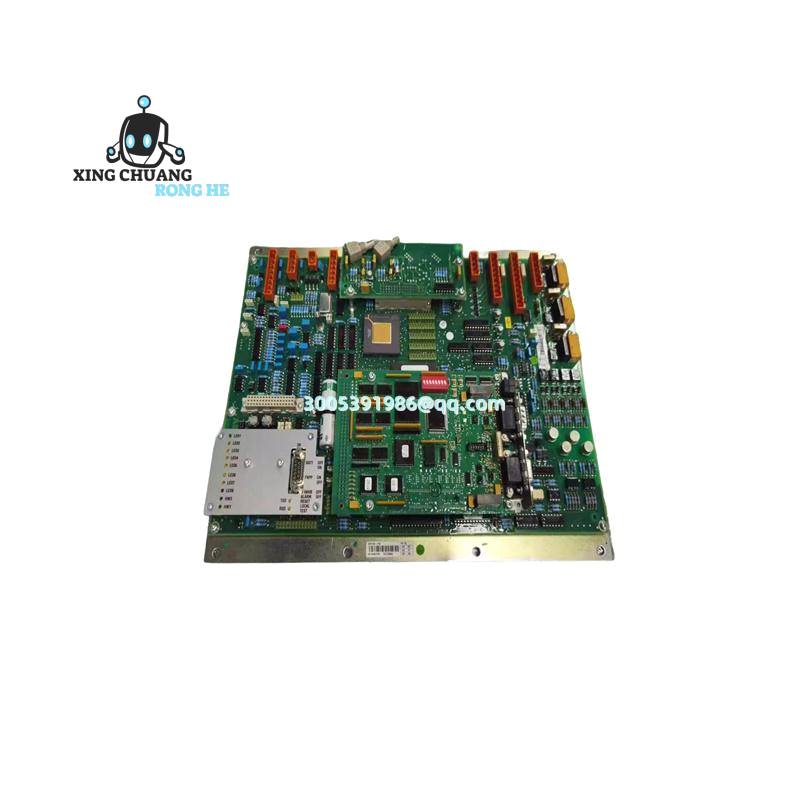
Last month, a paper mill in Wisconsin kept losing their calender stack control – turned out harmonic distortion from old VFDs was frying their previous modules. Threw DTCC901Bs on the critical drives, and they’ve been rock solid for 11 weeks now. You’ll find these buried in ABB Symphony systems (especially INFI 90 retrofits), guarding compressor trains in GE Frame 7Fs, or handling safety logic in Triconex-adjacent loops. If you’re running PM866s or PP877s and need a comms bridge, this talks to ’em all. Funny enough, we’ve even seen them in vintage Westinghouse OVATION cabinets where the original parts are long gone – testament to how cleanly they integrate.
Why It Survives When Others Tap Out
The real magic’s in the guts. That aluminum housing isn’t just for looks – it pulls heat away from the power section like a champ. Saw one run at 68°C ambient for six months straight in a Saudi petrochemical plant (they ignored the derating note… rookie move). The dual Ethernet ports let you set up redundant comms without extra switches – saved a bottling line in Mexico when their main switch died during harvest season. And yeah, the terminal blocks? Spring-clamp type, so no screwdrivers needed during swaps. Personally, I found the diagnostic LEDs way more useful than the manual claims – that amber blink pattern when comms glitch? Told us exactly which field device was misbehaving. Not flashy, but when your shift supervisor’s breathing down your neck at 2 AM, you’ll appreciate not guessing.
There are no reviews yet.