

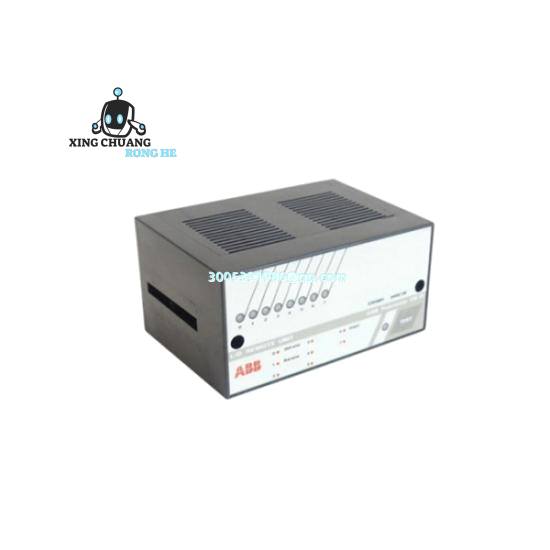
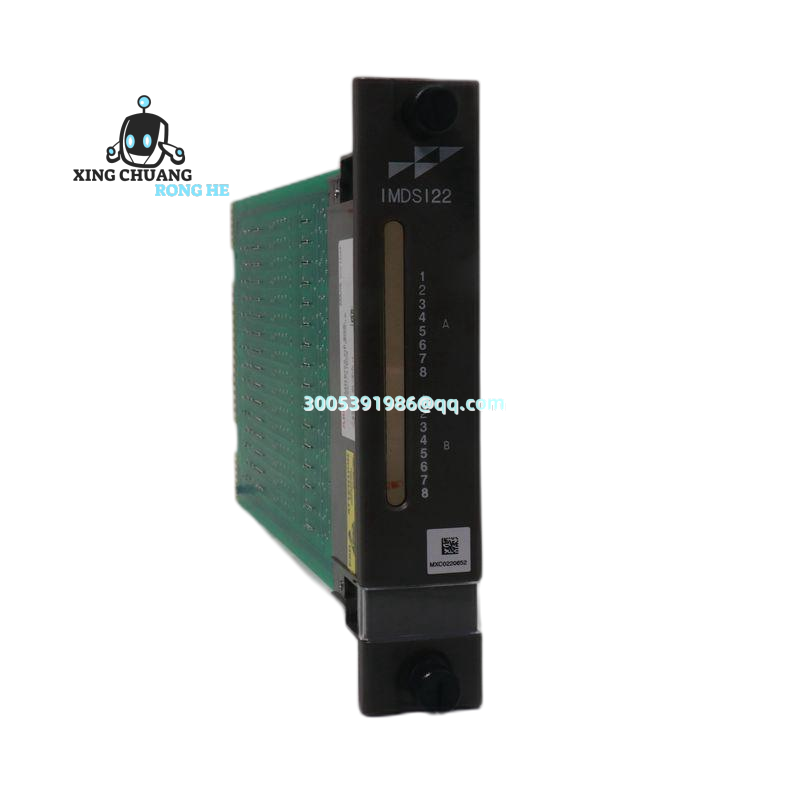
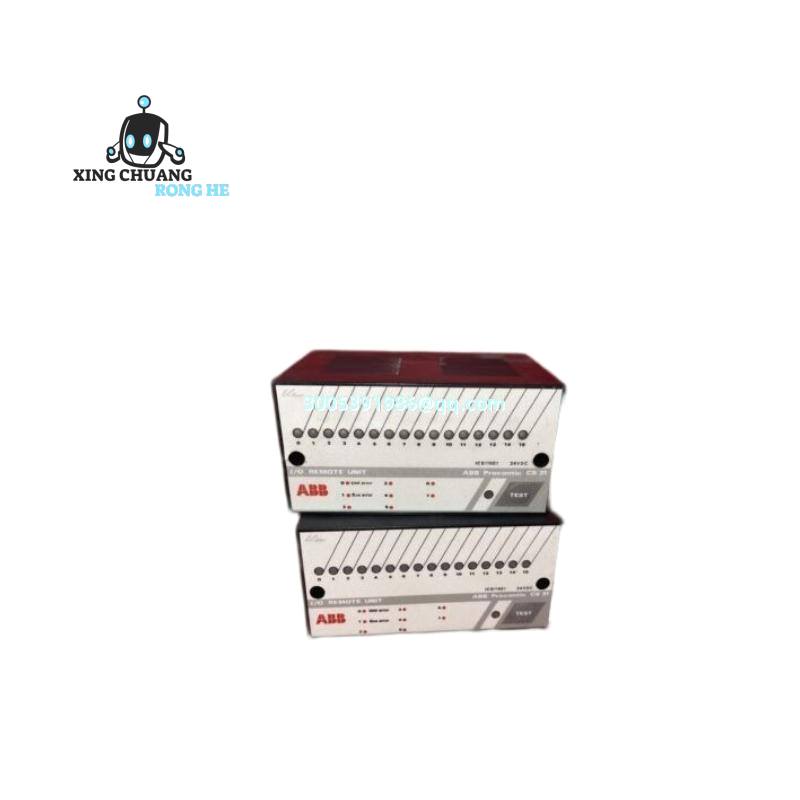
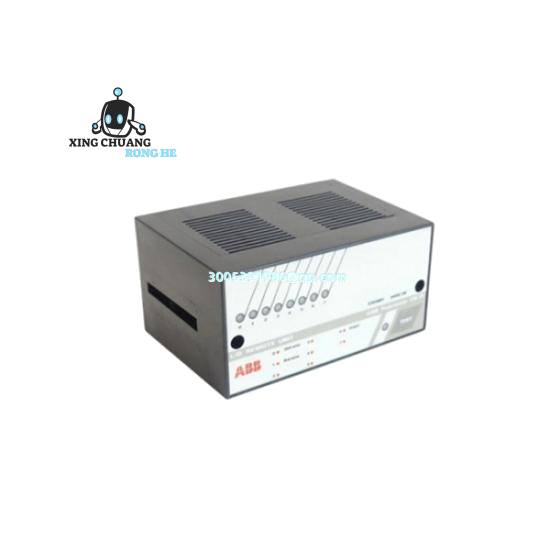
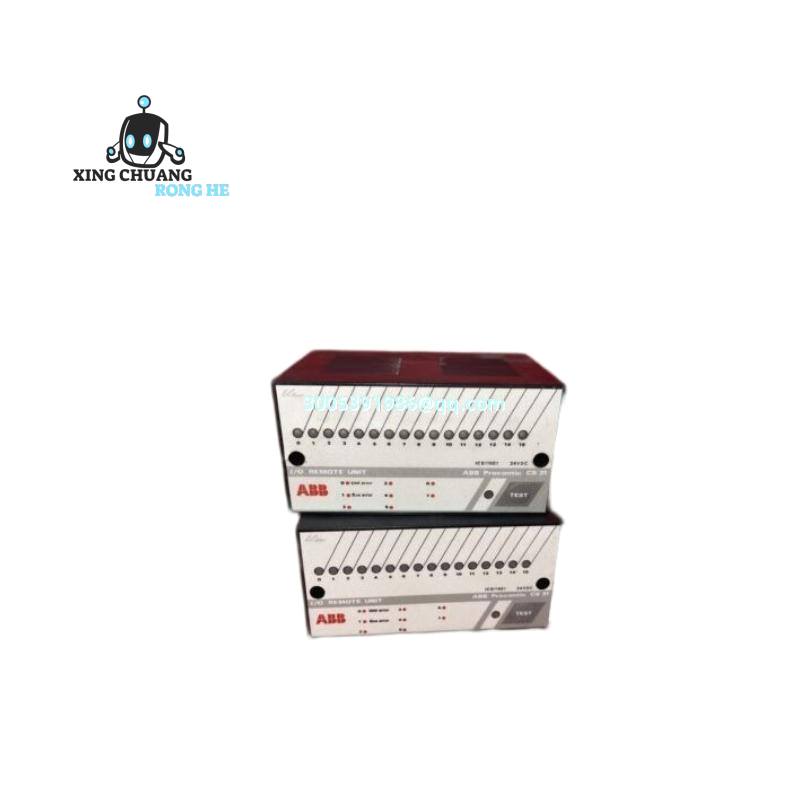
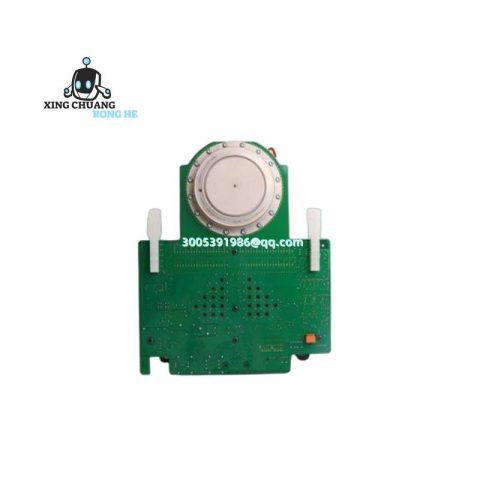
ABB ICSI16E1 Industrial Communication Interface Module
This ABB workhorse handles critical serial communications in industrial automation setups where RS-485 networks keep production lines humming. You’ll typically find it managing data flow between PLCs and legacy equipment in power plants or manufacturing facilities – especially when older machinery needs talking to modern control systems without rewiring the whole plant. Honestly, it’s the kind of module you don’t notice until it fails, and trust me, you don’t want that downtime.
| Brand | ABB |
| Model | ICSI16E1 |
| Interface Type | 16-channel RS-485 serial communication |
| Baud Rate | Up to 115.2 kbps per channel |
| Isolation Voltage | 2500 V AC (channel-to-bus) |
| Dimensions | 120 × 100 × 70 mm (W×H×D) |
| Weight | 0.85 kg |
| Certifications | CE, UL 61010-1, IEC 61000-6-2 |
Where You’ll Actually Use This Thing
We see these popping up most in retrofitted facilities – think paper mills upgrading century-old machinery or water treatment plants integrating new SCADA systems with 90s-era pumps. One Midwest chemical plant actually runs 12 ICSI16E1 modules just to keep their reactor monitoring systems talking to the central control room. If you’re dealing with ABB 800xA systems or legacy INFI 90 setups, this becomes your go-to bridge for serial devices. Common pairings include PM866 controllers and PP881 communication processors when you need that extra channel density. Honestly, if your facility has Modbus RTU devices scattered across the floor, this module’s probably already in your spare parts cabinet.
Why It Doesn’t Drive You Nuts (Unlike Some Modules)
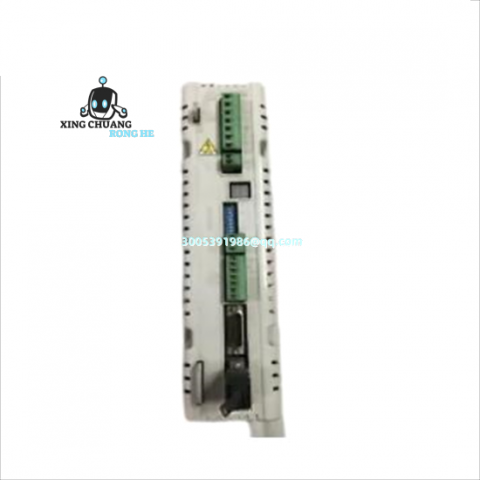
The real win here is how it handles electrical noise – those 2500V isolation barriers mean you won’t lose comms when a nearby VFD kicks on. We’ve had customers in steel mills run these for 5+ years straight without channel failures, which is kinda miraculous given the welding arcs happening 20 feet away. No special configuration tools needed either; just set DIP switches for baud rate and parity like it’s 1995 (sometimes old-school is better). Personally, I found the terminal block design saves headaches during maintenance – those spring-clamp terminals actually stay put when vibration hits, unlike screw terminals that loosen over time.
Oh, and about redundancy: while the ICSI16E1 itself isn’t redundant, it plays nice with ABB’s redundant CPU setups. One auto plant told us they hot-swap these during production runs without dropping comms because the system buffers data during module changes. Not bad for a “simple” interface module. Just don’t expect it to replace your primary control hardware – it’s the reliable messenger, not the decision-maker.
There are no reviews yet.