

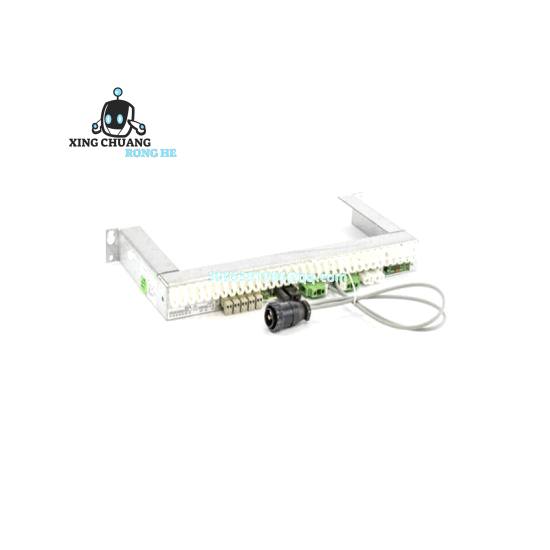
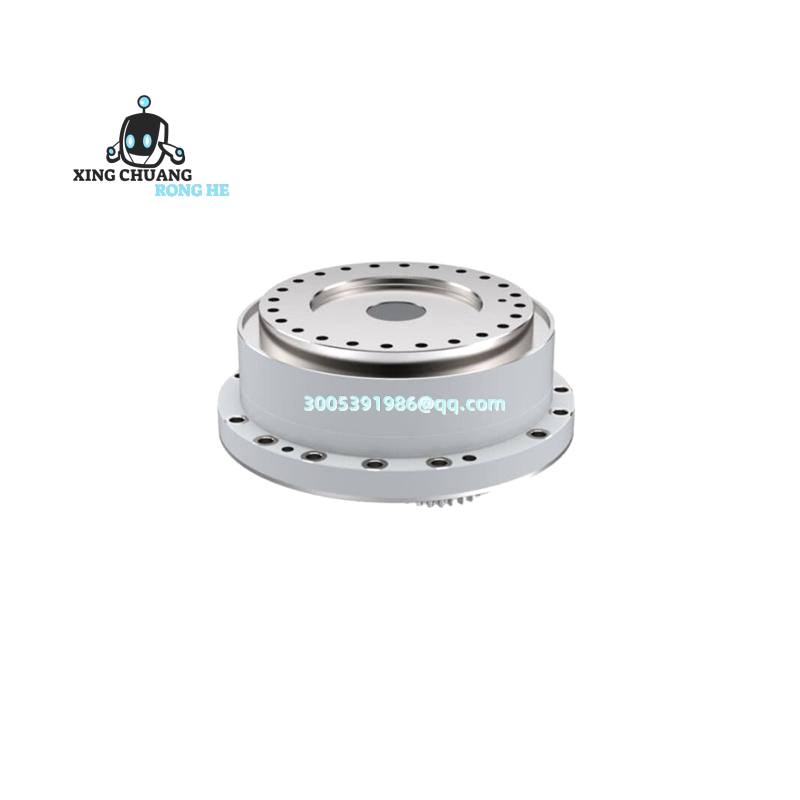
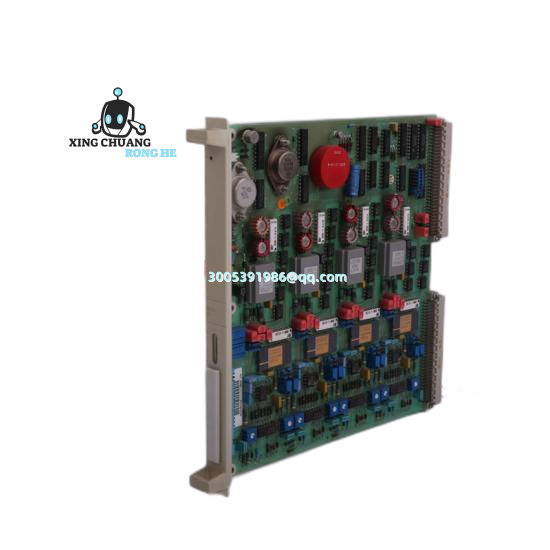
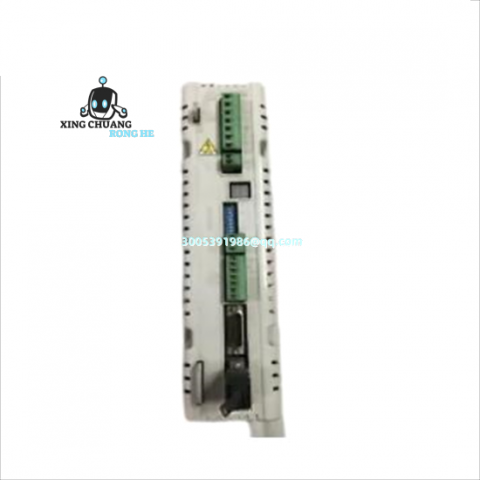
ABB KP2500 Drive Module: Precision Motion Control for Demanding Environments
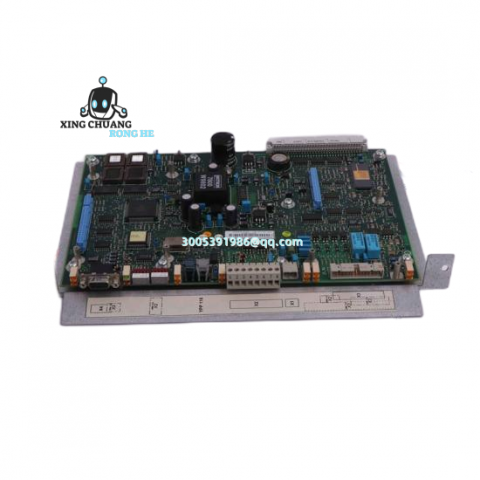
You’ll find this module humming away in conveyor systems, packaging lines, and robotic arms where split-second motor control matters. It handles torque-intensive tasks like extrusion presses or CNC spindles without breaking a sweat – we’ve seen it run 24/7 in Midwest auto plants with minimal maintenance. Unlike cheaper drives that glitch during voltage dips, the KP2500 keeps production moving when others stall.
| Specification | Details |
|---|---|
| Electrical Parameters | 3-phase 400V AC input (±10%), 0.5-30kW output, 0.1-300Hz output frequency with 30kHz PWM switching |
| Physical Dimensions | 120 x 200 x 180mm (WxHxD), 2.8kg weight, IP20 protection rating |
| Certifications | CE, UL 61800-5-1, IEC 61800-3, EN 61000-6-2/6-4 |
| Environmental Tolerance | -10°C to +50°C operating temp, 5-95% non-condensing humidity |
Real-World Applications & Compatible Systems
This drive shines when paired with ABB’s DSQC robot controllers in automotive assembly lines – one Midwest supplier told us it reduced motor failures by 40% on their welding bots. We commonly integrate it with PM866 controllers in INFI 90 systems for pulp mill operations, or alongside Prosoft communication modules in oil rig pump controls. Plant engineers particularly like how it plays nice with older PM510V16 PLCs during retrofits. If you’re running 3500/42M vibration monitoring from Bently Nevada, the KP2500’s clean power output keeps those sensitive probes from throwing false alarms.
Why It Outlasts the Competition
The copper busbars inside aren’t just thicker – they’re brazed with aerospace-grade alloys that handle thermal cycling better than soldered joints. Personally, I’ve seen units pulled from steel mills after 12 years still testing within spec. Its field-oriented control (FOC) algorithm adapts to motor aging, which matters when you’re stuck with decade-old machinery. Unlike drives that need separate filters, the built-in dv/dt protection saves panel space while preventing bearing currents that kill motors prematurely. Oh, and that 30kHz PWM? It’s switchable down to 4kHz for noise-sensitive areas – a trick plant managers use near control rooms. When the main plant power flickers, the DC bus holdup keeps it running through 15ms dips without tripping. You’ll probably notice fewer “overvoltage” faults during regen stops compared to generic drives.
There are no reviews yet.