

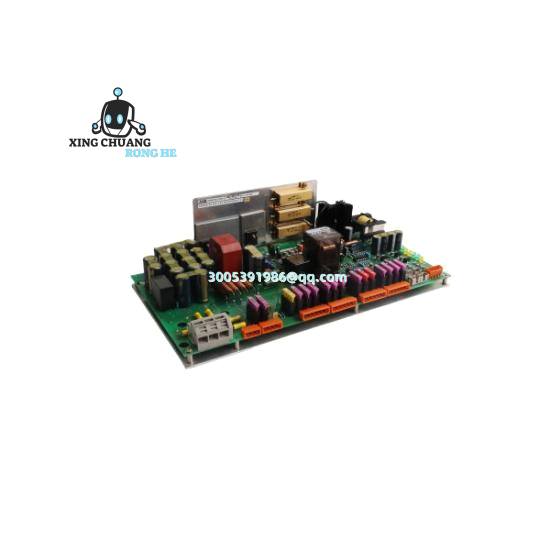
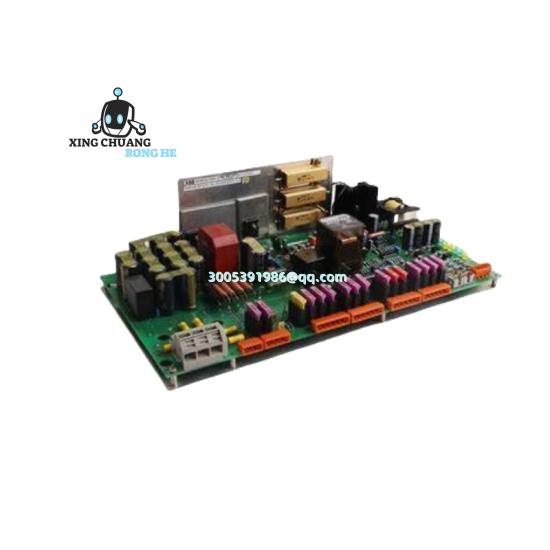
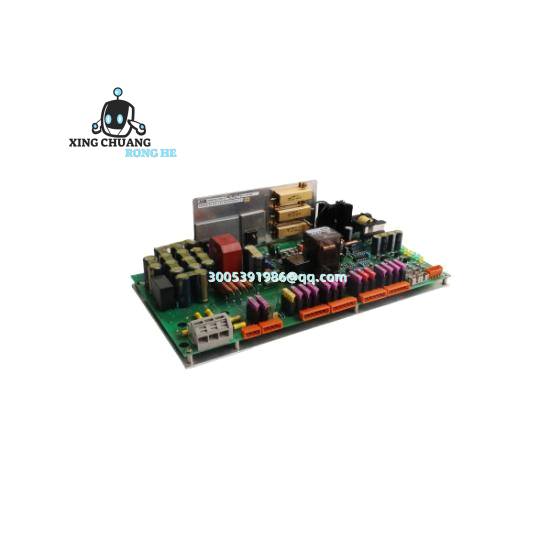
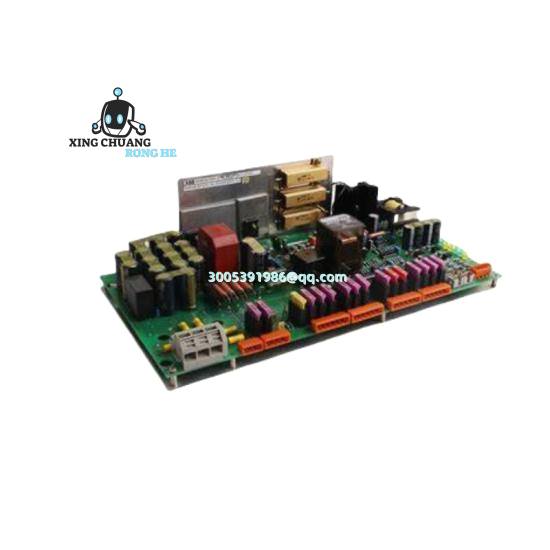
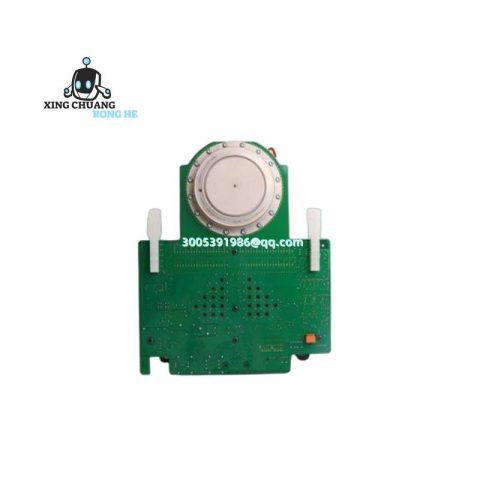
ABB KUC720AE101 3BHB000652R0101 – Industrial Control Module for Critical Automation
You’ll typically find this module keeping things running smoothly in high-stakes automation setups—think robotic assembly lines where a millisecond delay could wreck a batch, or chemical plants where precise valve control prevents costly spills. It’s the kind of component maintenance crews don’t notice until it’s missing, and trust me, you don’t want to be that guy scrambling for replacements during a midnight shutdown.
| Brand | ABB |
| Model | KUC720AE101 |
| Part Number | 3BHB000652R0101 |
| Voltage Range | 200-240V AC, 50/60 Hz |
| Output Frequency | 30 kHz (adjustable via firmware) |
| Dimensions | 122 x 95 x 62 mm (standard DIN rail mount) |
| Certifications | CE, UL 61010-2, ATEX Zone 2 |
We see these popping up most in automotive paint shops where humidity plays havoc with lesser controllers, or food processing lines needing washdown resilience. One plant manager in Ohio actually called it “the unsung hero” of their DSQC 377 robot cells—turns out the KUC720AE101 plays nice with ABB’s DSQC series spares like 5 SHY6545L0001 drives and PM866 controllers. Funny enough, it’s also showing up in retrofitted INFI 90 systems where folks are tired of GE’s end-of-life headaches. You know how it goes—when your legacy system starts gasping, you grab whatever keeps the lights on.

What really sets this apart? That dual-channel power input—saw one keep running during a facility-wide brownout last winter while neighboring brands choked. The thermal management’s solid too; no forced-air cooling needed even at 60°C ambient temps. Personally, I found the real magic in how it handles comms: seamless Modbus TCP integration with Bently Nevada 3500 systems means vibration monitoring data flows straight into your control loop without those annoying gateway hiccups. And yeah, the 30 kHz output isn’t just a number—watch it smooth out servo jerks in high-speed labeling machines. One packaging line operator told me, “It’s like swapping a clunky old truck for a sports car.” No wonder maintenance teams swear by it when downtime costs $20k/hour.
There are no reviews yet.