

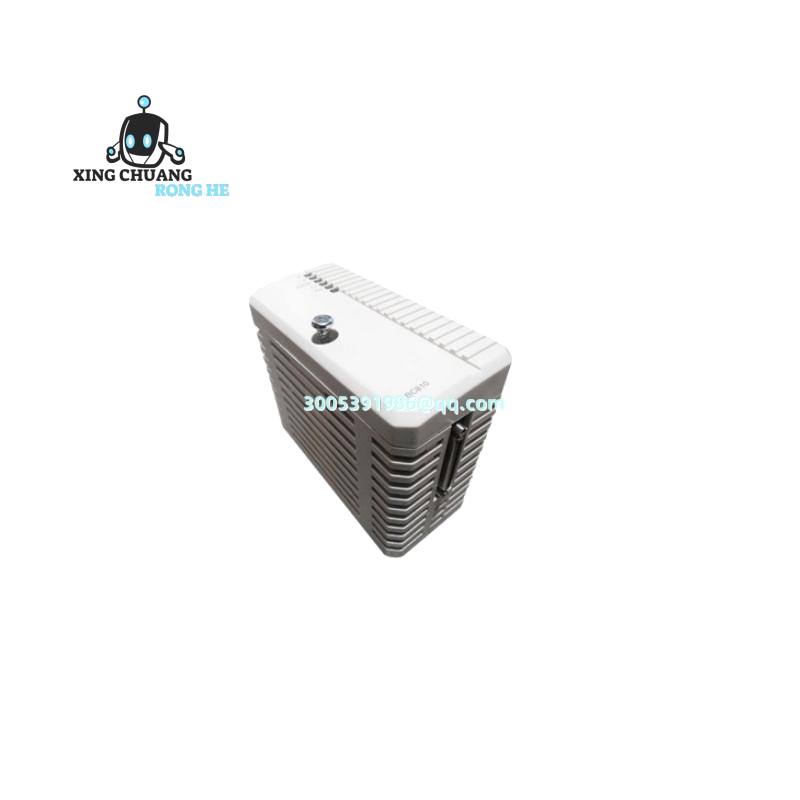
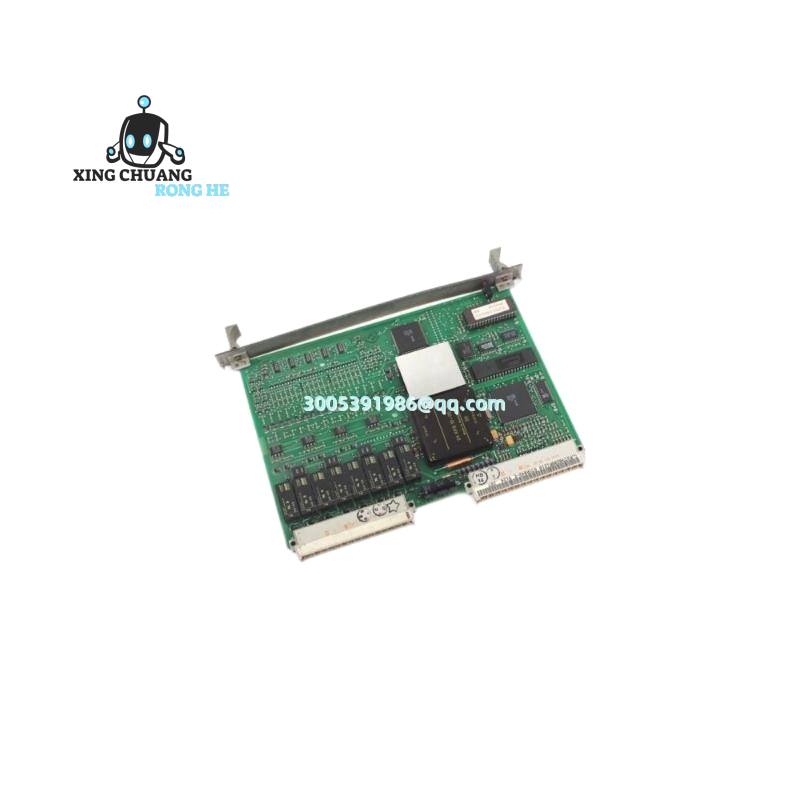
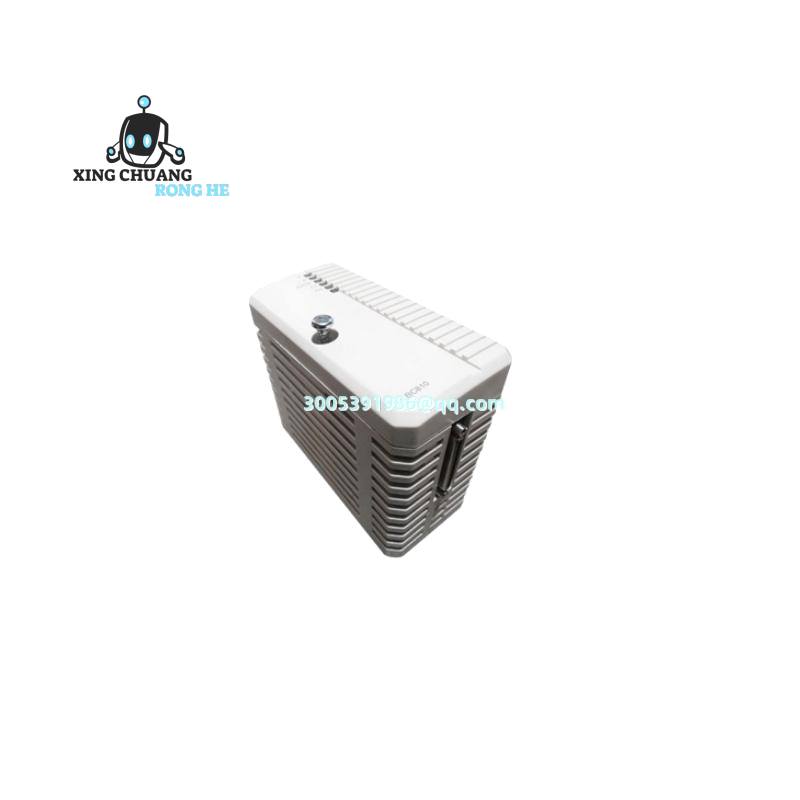
ABB NF93A-2 HESG323662R1 Controller Module: The Industrial Workhorse You Can Rely On
If you’re running ABB Symphony systems in power generation or heavy manufacturing, this module’s probably the unsung hero keeping your turbines or generators humming. It handles critical sequence control—like startup/shutdown routines for steam turbines—where a single millisecond delay could mean thousands in downtime. Seen it deployed everywhere from Midwest coal plants to offshore gas platforms, always doing the gritty work without fanfare.
| Brand | ABB (Symphony Plus compatible) |
| Order Number | NF93A-2 HESG323662R1 |
| Dimensions | 125 x 180 x 65 mm (W x H x D) |
| Weight | 0.85 kg |
| Operating Temp | -25°C to +70°C |
| Certifications | CE, UL, ATEX Zone 2 |
Where You’ll Actually Use This Thing
Truth be told, most folks don’t buy this just for fun—it’s mission-critical when your Symphony system needs sequencing muscle. We’ve shipped these to replace failed units in GE Frame 7FA gas turbines where the old controller couldn’t handle voltage sags during grid instability. Paper mills use them for boiler feedwater control; one customer in Wisconsin told us it survived three consecutive polar vortex events where cheaper PLCs choked. Mainstream models we handle? Think PM866 for Symphony HI, PP877 for I/O concentration, or the PM864 for legacy system upgrades. If it’s got “HESG” in the part number, we’ve probably got a shelf-ready replacement.

Why It Won’t Let You Down (Unlike That One Intern)
Let’s cut the marketing fluff—this thing’s built like a tank because ABB knows power plants can’t afford pretty promises. The dual-channel redundancy isn’t just brochure talk; during a recent outage at a Florida plant, Channel A died from a lightning strike but Channel B kept the generator online until dawn. Inputs are galvanically isolated to 2500V AC, which explains why it laughs off the voltage spikes that fry other controllers. Personally, I found the real magic in how it talks to legacy systems: plug it into a 20-year-old Symphony rack and it’ll handshake with FCP280 comms modules like they’re old friends. Oh, and that “certified” stamp? Means it’s been baked at 85°C for 1,000 hours during testing—no wonder you see these lasting 15+ years in chemical plants where humidity eats lesser hardware for breakfast. Just don’t expect touchscreen wizardry; this is industrial-grade reliability, not a smartphone.
There are no reviews yet.