

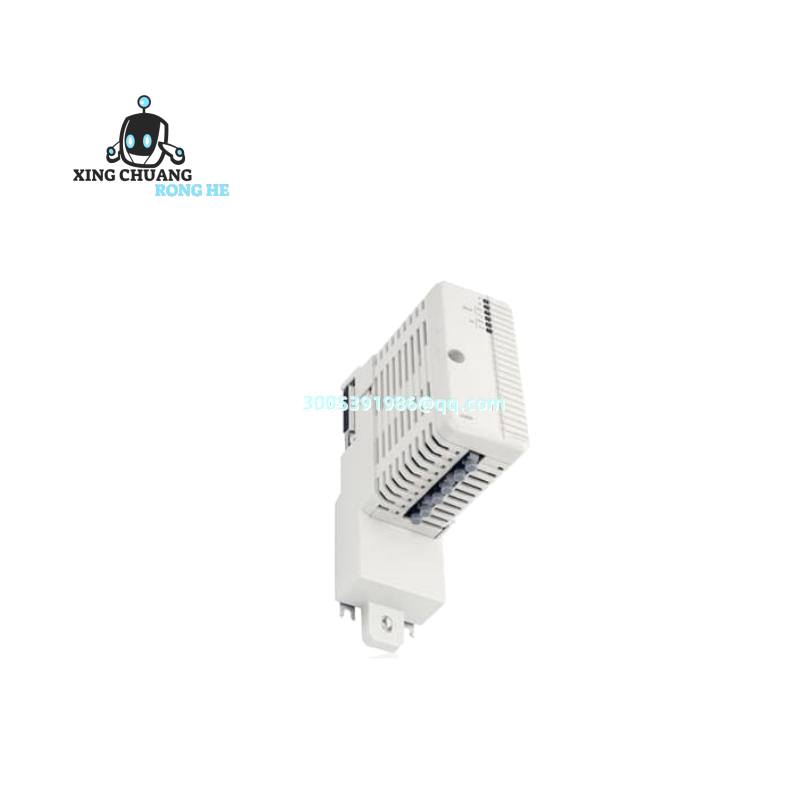
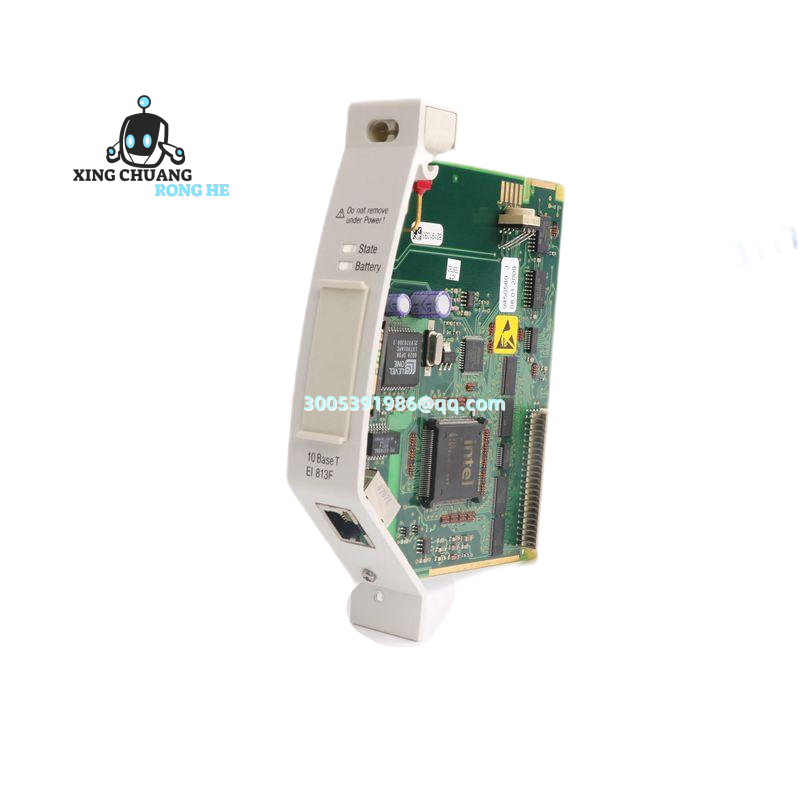
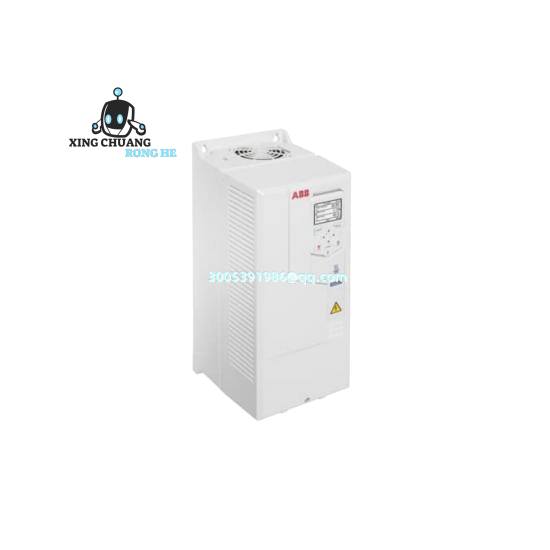
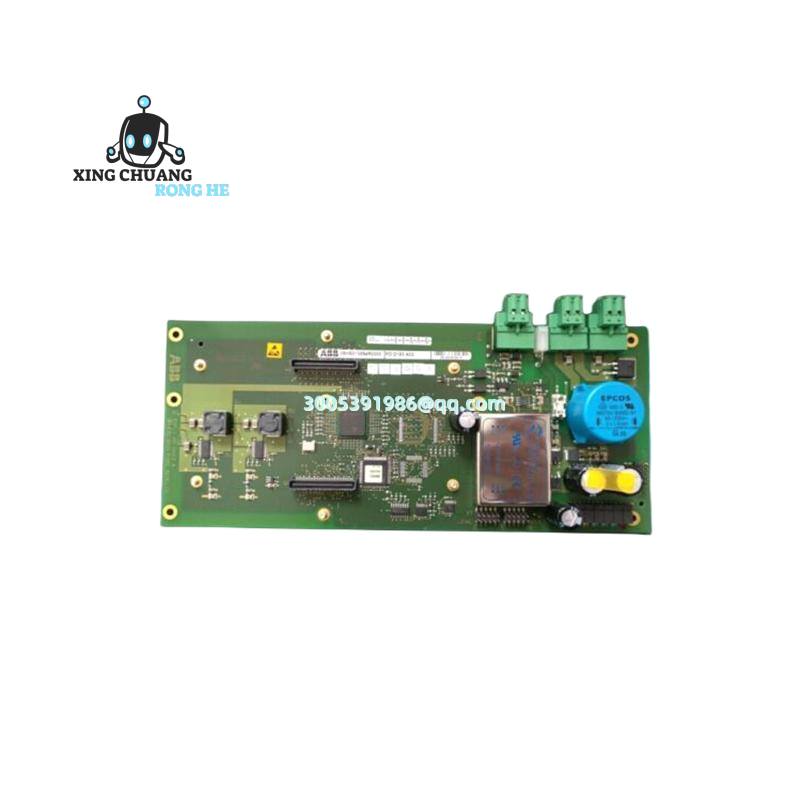
ABB PDD205A1121 Control Module: Precision in Demanding Environments
This Symphony Plus workhorse handles critical process control in chemical plants and power stations where milliseconds matter. You’ll find it managing turbine sequencing or reactor temperatures—anywhere you can’t afford a glitch during those midnight shift changes. One refinery tech actually told me it survived three monsoon seasons in a coastal control room with just routine dusting.
| Brand | ABB |
| Primary Part Number | 3BHE025335R1121 |
| Series/Model | PDD205A1121 (3BHE025336P201 variant available) |
| Dimensions | 130 × 100 × 40 mm (W×H×D) |
| Weight | 1.2 kg |
| Operating Temp | -25°C to +70°C |
| Certifications | CE, UL, ATEX Zone 2 |
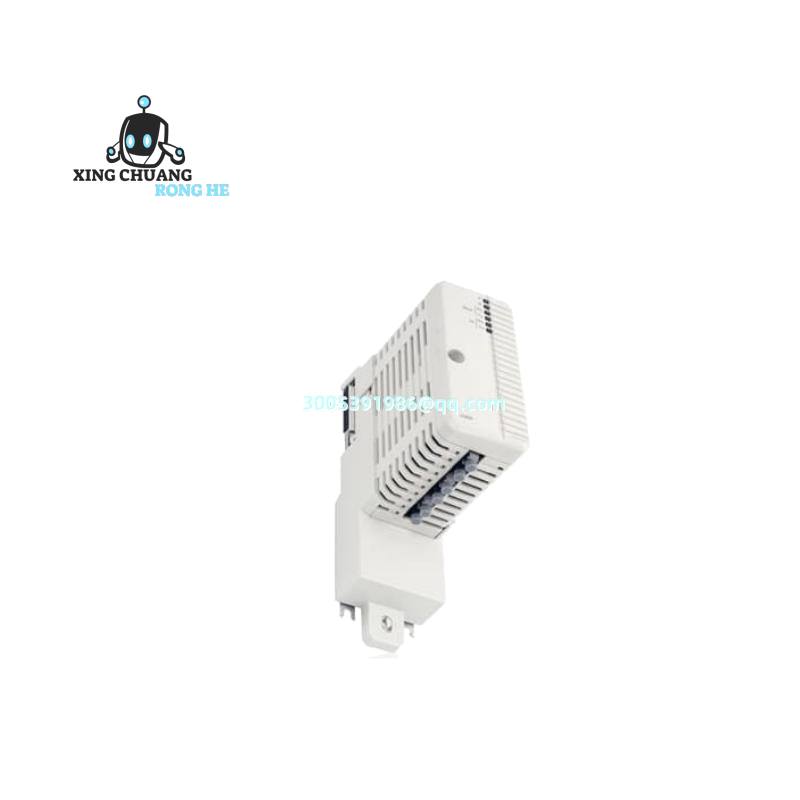
We see these popping up most in Symphony Plus retrofits—especially where old Mod 300 systems are getting tired. Had a paper mill last month needing replacements for their digester controls after a flood took out half their I/O. Funny enough, the same module handles wellhead control in offshore rigs too; that salt spray resistance really pays off. Other common siblings we stock? PM866 controllers for legacy DCS, PP865A communication cards, and those GFD563A102 power supplies that always seem to fail during summer heatwaves.
Why It Holds Up When Things Get Messy

Let’s be real—the real magic’s in how it handles chaos. That dual-channel redundancy? Saw it keep a cement kiln running when lightning fried Channel B during a storm. No automatic failover alarms needed; Channel A just took over like nothing happened. The 5ms scan time matters when you’re controlling exothermic reactions, and frankly, the connector locking tabs save headaches during plant vibrations. Personally, I prefer these over newer models for brownfield sites because you don’t need a PhD to troubleshoot the LED patterns. Oh, and the firmware’s backward compatible with 80% of Symphony Plus systems from 2005 onward—saved a brewery $20k last quarter by avoiding a full controller swap. Just don’t mount it near welding stations; that EMI shielding has limits, as one frustrated auto plant discovered.
There are no reviews yet.