

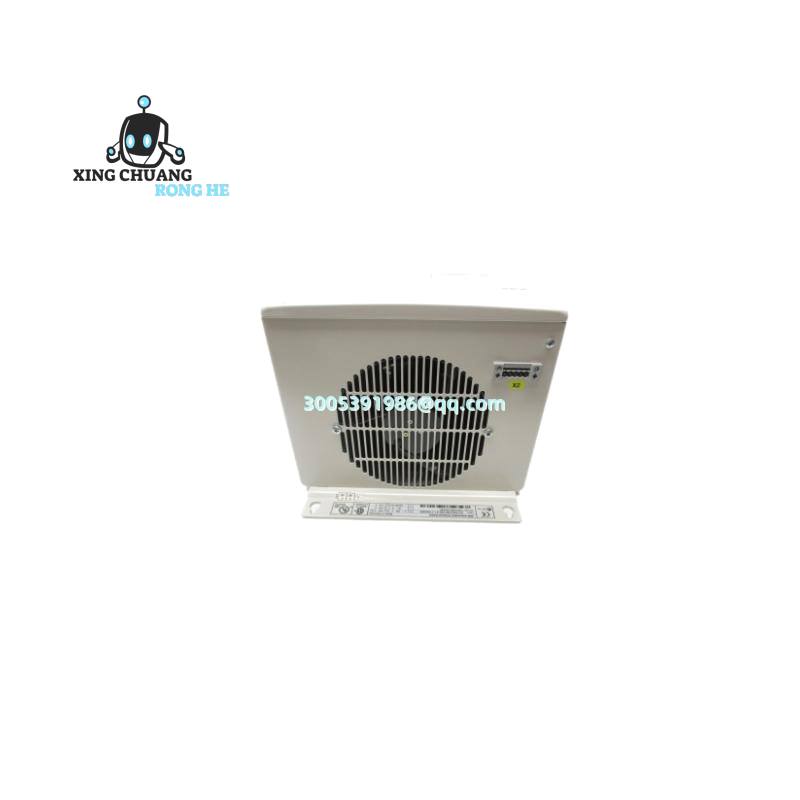
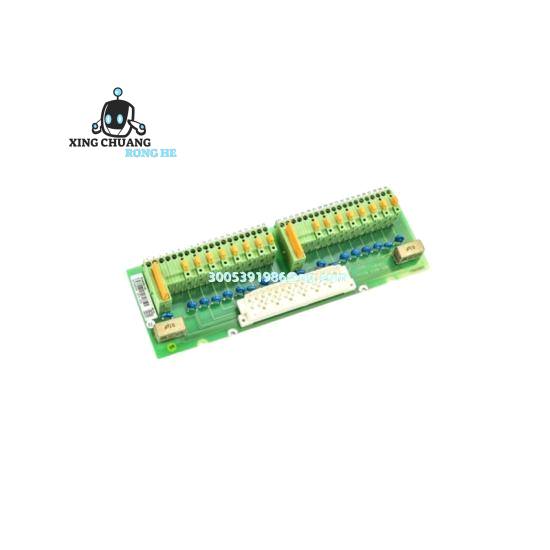
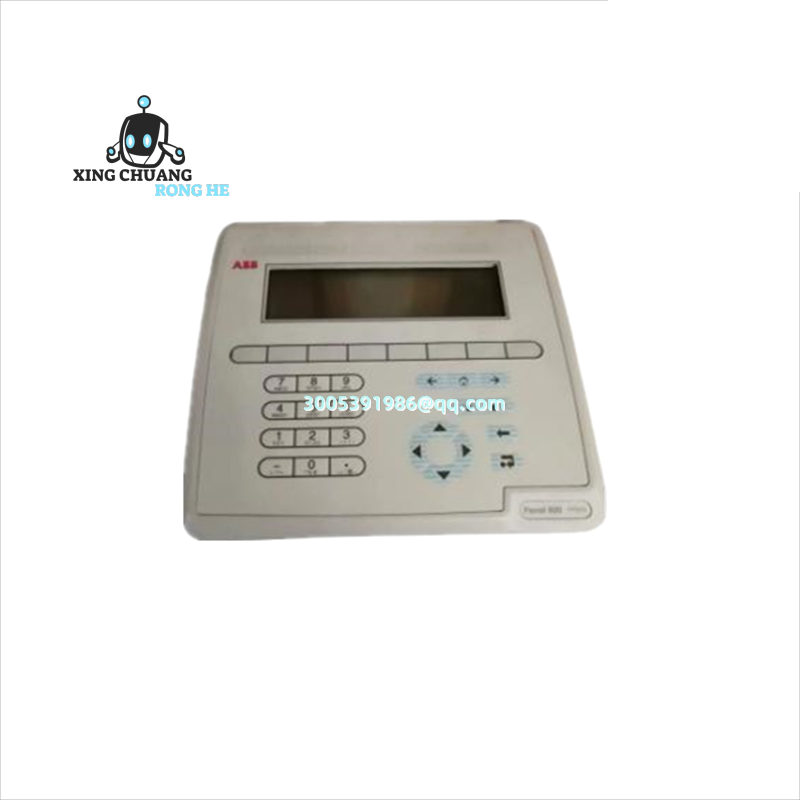
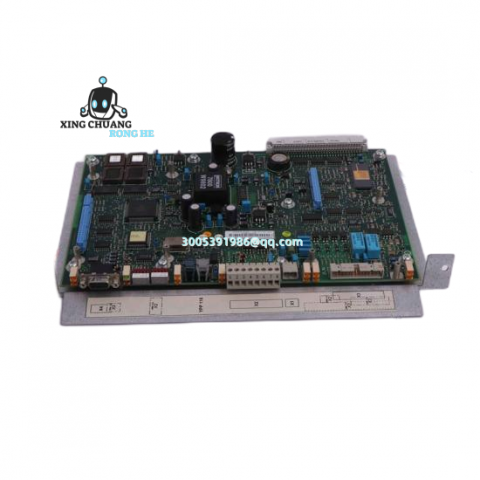
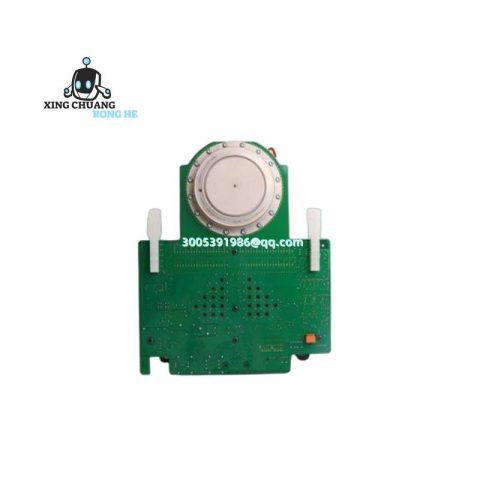
ABB REF610C11LCLR 60Hz Protection Relay Module
This module’s the workhorse you want watching over medium-voltage switchgear—think motors, transformers, or feeders in substations. It’s not just tripping breakers when things go sideways; it actually pinpoints fault types (phase-to-phase, ground faults, you name it) so your crew isn’t guessing during outages. Honestly, the last time one caught a developing stator ground fault on a critical pump motor? Saved a chemical plant $200k in downtime.
| Brand | ABB |
| Model | REF610C11LCLR (60Hz variant) |
| Physical | 130 x 110 x 75 mm / 0.9 kg |
| Voltage Rating | 480V AC nominal (±15% tolerance) |
| Certifications | UL 61010, IEC 61850-3, ATEX Zone 2 (for hazardous areas) |
| Comms | Dual Ethernet (IEC 61850 GOOSE), RS-485 Modbus |
Seen these in pulp mills where steam and dust eat lesser relays for breakfast—still humming along after 7 years. We handle the whole REF610 family (C11, C21, H11 models) plus older REF542+ spares. Fact is, if you’re running ABB’s MicroSCADA or even third-party SCADA like GE iFIX, the IEC 61850 integration’s smoother than expected. One wastewater plant in Ohio retrofitted these into a 20-year-old system last month; their engineer texted me saying “no more protocol headaches.”
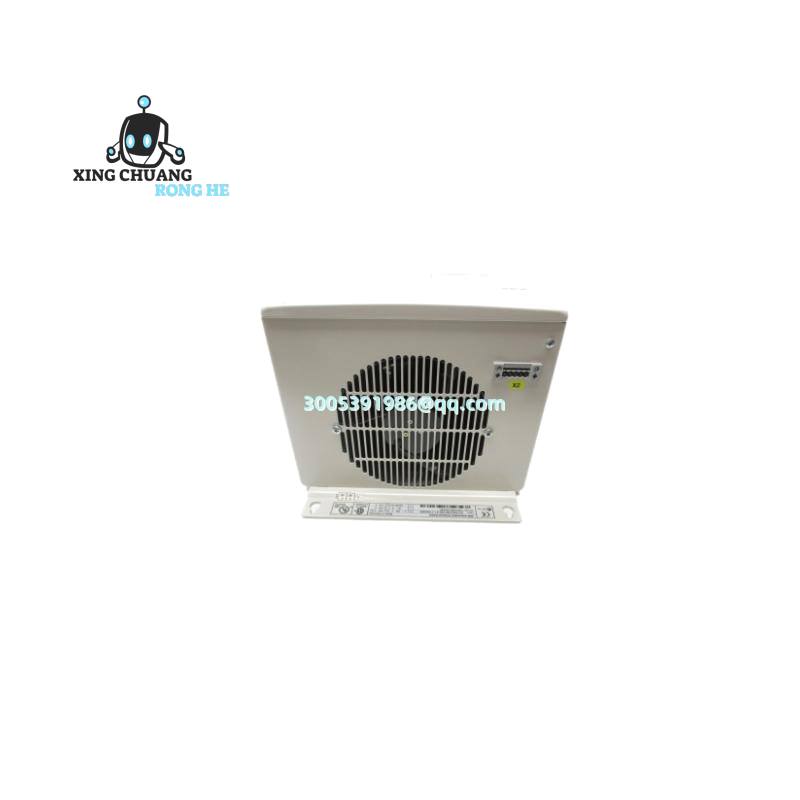
What really sets it apart? The dual-core architecture—one processor crunching protection algorithms while the other handles comms. So when a line-to-ground fault hits, the trip signal’s out in 25ms flat, no lag from data traffic. And yeah, the self-diagnostics catch sneaky issues like CT saturation before they cause nuisance trips. Personally, I’ve seen plants run these in hot-standby pairs for critical feeders; if one module hiccups during a storm, the backup takes over without blinking. Oh, and that IP20 rating? Doesn’t mean it’s fragile—just that you shouldn’t hose it down directly (though we’ve heard of guys doing that… once).

Compatibility’s wider than most folks realize—it talks nicely with Siemens SICAMs via Modbus, and the GOOSE messaging plays ball with SEL relays in mixed-vendor setups. Just don’t try jamming it into a 50Hz European grid; the harmonic filtering’s tuned specifically for 60Hz waveforms. Funny thing though: that “LCLR” suffix? Means it’s got the long-life electrolytic caps—lasts 50% longer in high-heat environments than standard versions. Learned that the hard way after a refinery in Louisiana cooked three regular units in two years.
There are no reviews yet.