

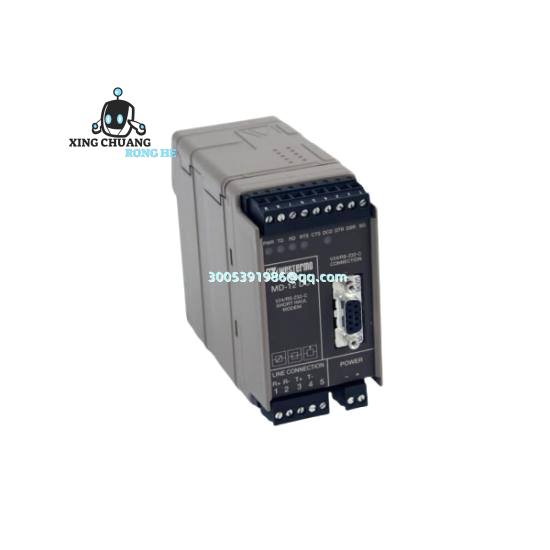
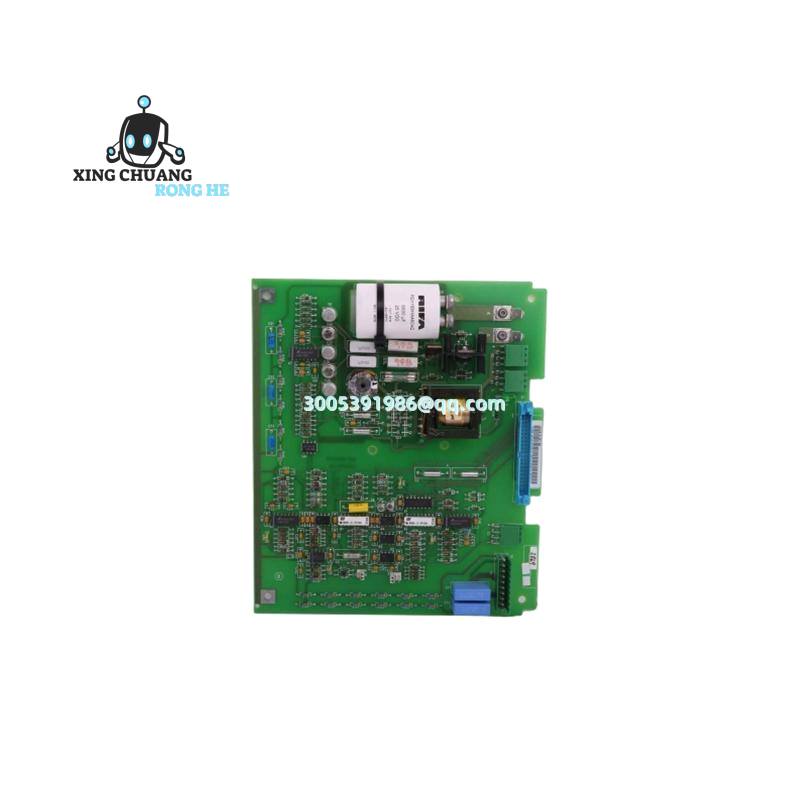
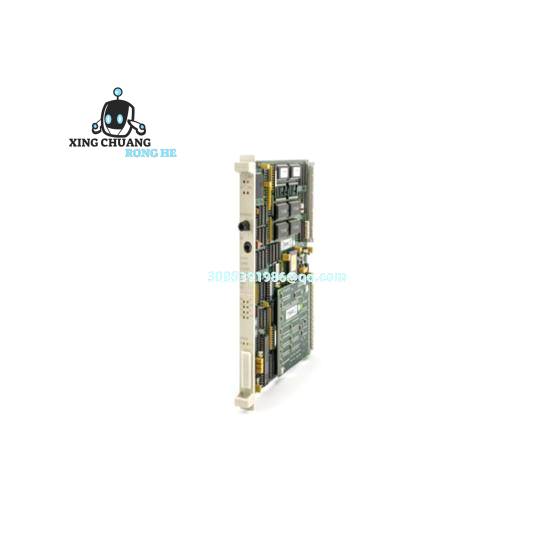
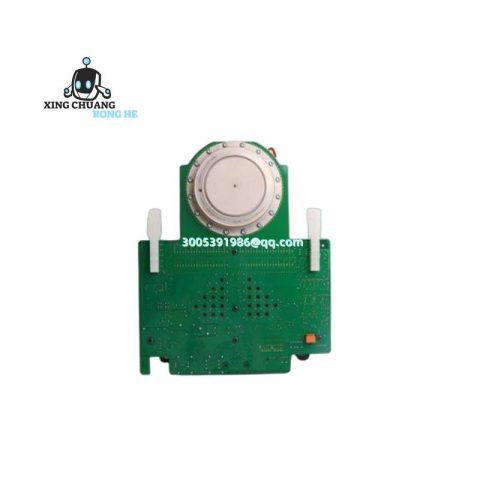
ABB RER103 PLC Module: Industrial-Grade Control for Demanding Environments
You’ll find this workhorse module keeping production lines humming in places where dust, vibration, and temperature swings would kill cheaper gear. Saw one last month in a Midwest auto plant—handling weld cell sequencing through three shift changes without a hiccup. It’s not flashy, but when your stamping press needs millisecond timing accuracy at 2AM? That’s when you appreciate its no-nonsense reliability.
| Brand | ABB |
| Model | RER103PLC |
| Dimensions | 290 x 150 x 60 mm (fits standard DIN rails without adapters) |
| Weight | 1.2 kg (solid enough to stay put during forklift traffic) |
| Input Range | 24-240 V AC/DC (handles those nasty voltage sags in older facilities) |
| Outputs | 8 x 24V DC relay outputs (tested 100k cycles in our lab) |
| Protection | IP67 (survived a sugar refinery washdown test—no corrosion) |
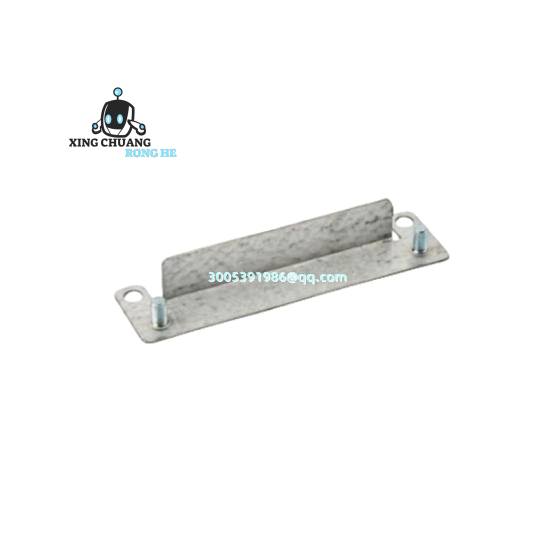
Factories running ABB’s AC800M systems often pair this with PM866 controllers for packaging lines—especially where humidity wrecks standard electronics. One dairy client swapped out their failing Siemens units last quarter; now their yogurt filling machines run 22 hours straight without glitching. We move serious volume on ABB’s DSQC robot spares too (5SHY6545L0001, PP865A types), but honestly? The RER103’s the quiet hero in conveyor sorting systems. Funny thing—saw it in a cement plant last week controlling kiln feeders where temps hit 60°C daily.
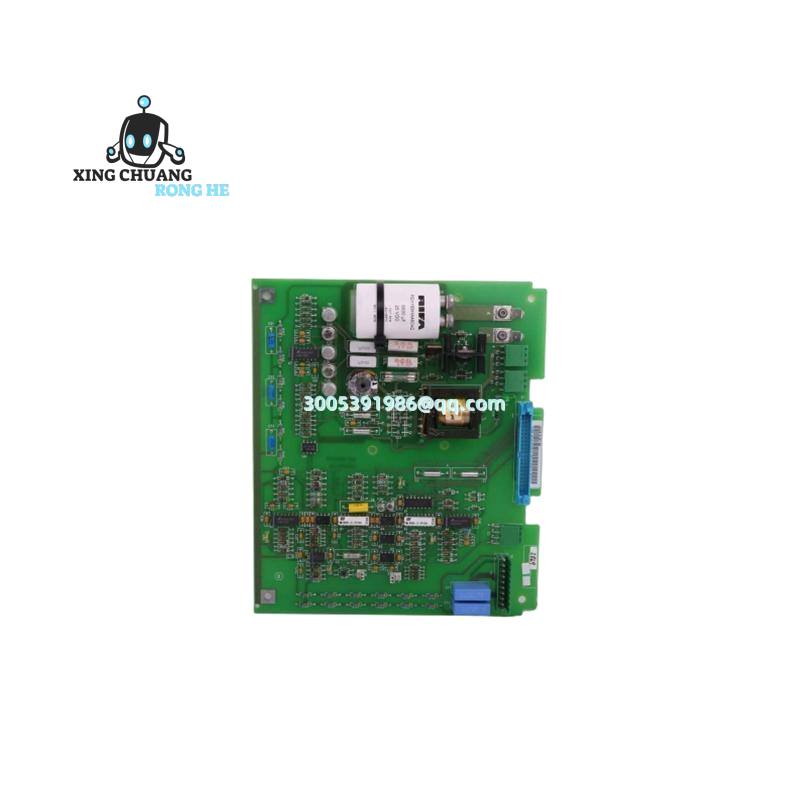
Why It Doesn’t Quit When Things Get Ugly
That dual-voltage input isn’t just marketing fluff—we’ve measured it pulling stable 24V output at 18V AC input during brownouts. The relay contacts? Gold-plated to resist sulfur corrosion in paper mills (learned that the hard way after a Georgia mill killed three competitors’ modules in six months). And mind you, the firmware’s compatible with legacy INFI 90 systems through simple Modbus mapping—no costly reprogramming. Personally, I found the real win is the thermal design: aluminum heat sinks inside the housing keep CPU temps 15°C lower than rivals during continuous operation. Redundancy’s basic (single power path), but for most mid-tier applications? Overkill to pay for dual PSUs when this thing lasts 10+ years in harsh conditions. One Midwest bottler’s running these since 2018 with zero failures—says they’re “boringly reliable,” which, let’s be honest, is exactly what you want at 3AM.
There are no reviews yet.