

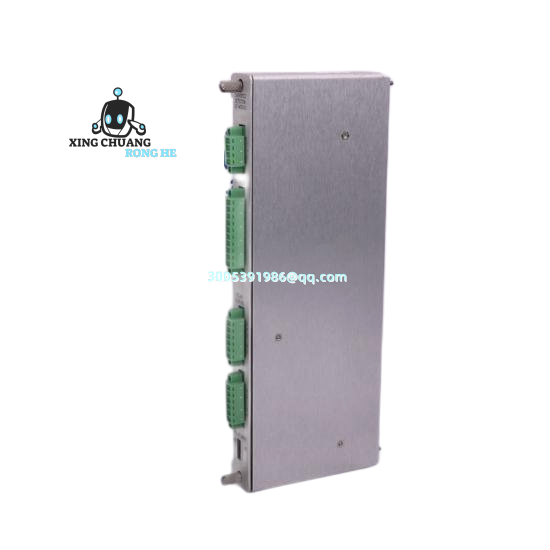
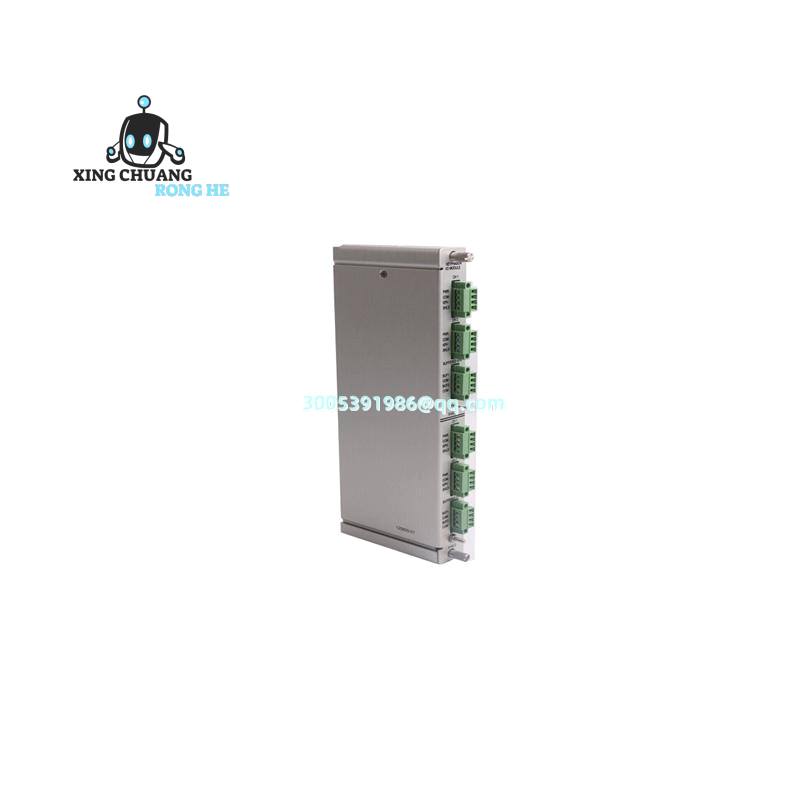
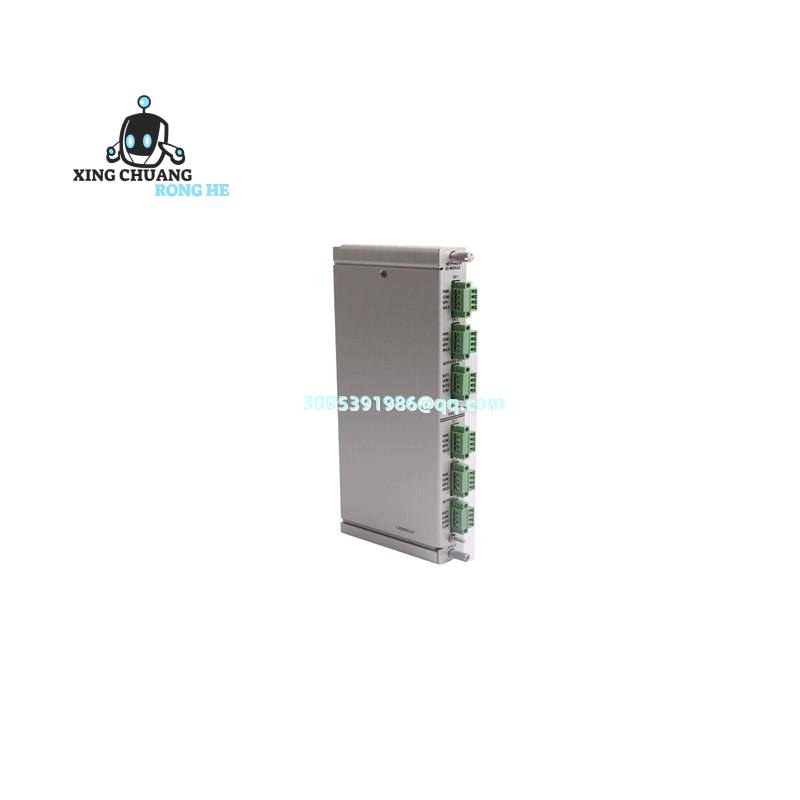
Bently Nevada 125800-01 Mechanical Condition Monitoring System: Keeping Critical Machinery Alive
Honestly, if you’re running turbines or compressors in a refinery, this isn’t just another sensor box—it’s your early warning system against catastrophic downtime. The 125800-01 quietly tracks vibration, temperature spikes, and rotor behavior 24/7 so you can catch bearing wear or misalignment before they turn into midnight emergency calls. Saw one save a paper mill $200k last year by flagging a motor imbalance during routine checks.
| Brand | Bently Nevada (now part of Baker Hughes) |
| Model | 125800-01 |
| Input Voltage | 220 V AC ±10% (standard industrial) |
| Frequency Range | Up to 30 kHz (covers most critical machinery harmonics) |
| Operating Temp | -20°C to +70°C (handles steamy boiler rooms or freezing outdoor pads) |
| Weight/Dimensions | ≈1.5 kg | 20 × 15 × 10 cm (fits tight control cabinets) |
You’ll typically find these humming away in power plants watching steam turbines, chemical plants monitoring centrifugal compressors, or steel mills tracking rolling mill spindles. Works especially well with Bently’s 3300/42M probes and 3500 rack systems—we’ve got dozens of these setups running in GE Frame 7FA gas turbines. One refinery client actually mounted it on a 10,000 HP feed pump; after six months of smooth operation, it caught a developing seal leak that would’ve flooded the basement. Not bad for a box that costs less than an hour of unplanned downtime.
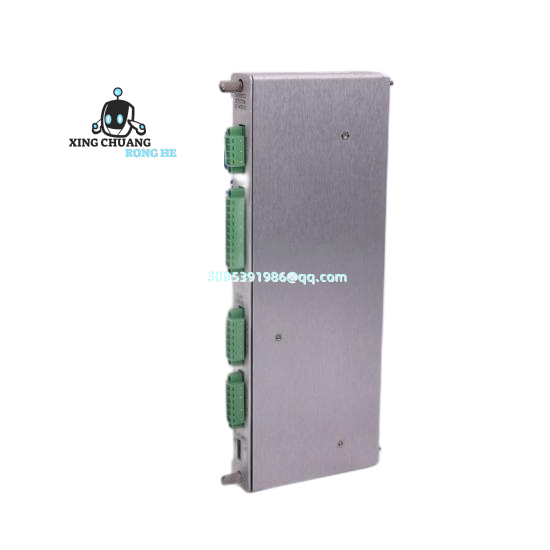
Personally, I’ve noticed the real magic isn’t just the specs—it’s how this thing plays nice with existing systems. Plugs straight into Modbus RTU networks so your DCS (like Emerson DeltaV or Yokogawa Centum) grabs data without custom coding. The dual-channel redundancy? Lifesaver during lightning storms when one channel glitches but the other keeps feeding clean data to operators. And yeah, the non-condensing humidity tolerance up to 95% means no more panic when monsoons hit Southeast Asian plants. One plant manager told me, “It’s the only sensor that didn’t crap out during our summer monsoon season.” Solid as a rock, even if the interface looks a bit dated—function over flash, right?
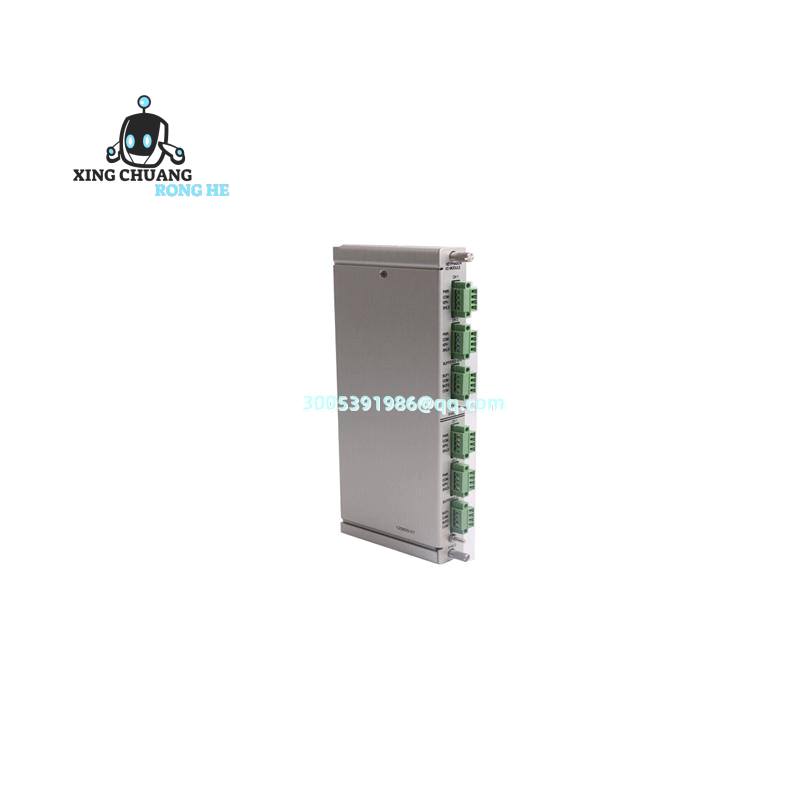
Oh, and don’t sweat the installation headaches—unlike some finicky European sensors, this one takes standard 4-20mA signals so your techs won’t need a PhD to wire it. Just remember to torque those vibration probe mounts to 5 ft-lbs; learned that the hard way after a false alarm during a compressor ramp-up. Bottom line: if your machinery’s shaking more than a nervous rookie, this is the quiet guardian you want watching your back.
There are no reviews yet.