

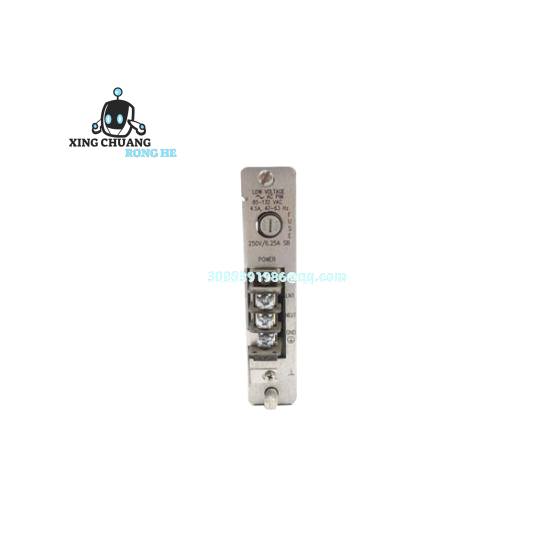
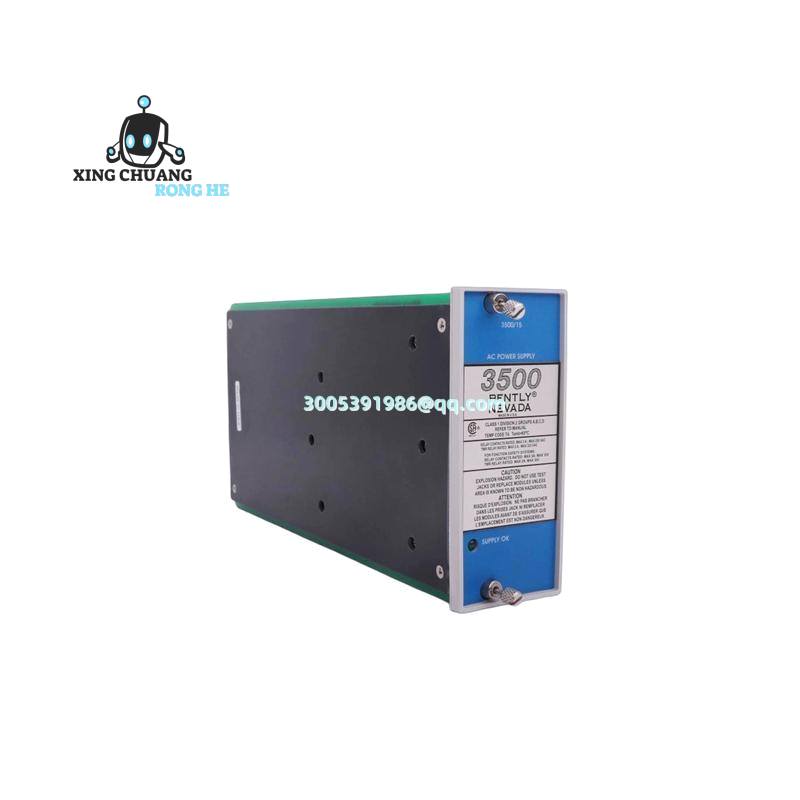
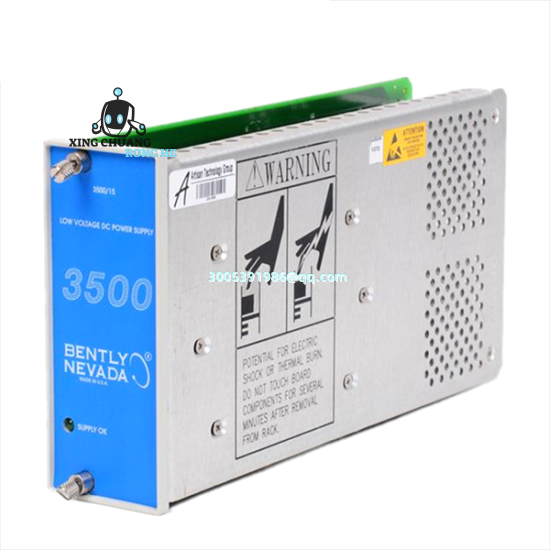
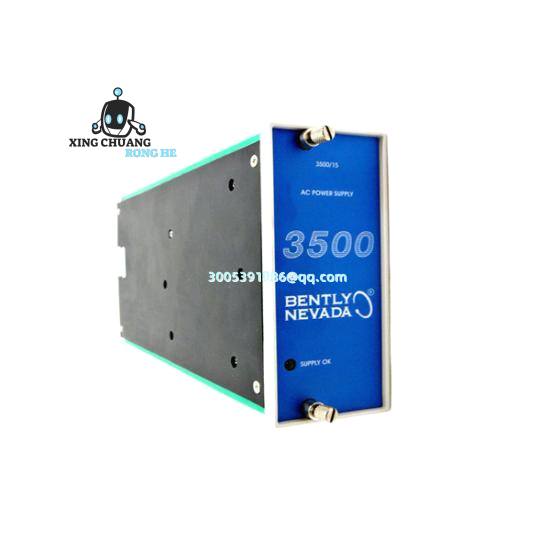
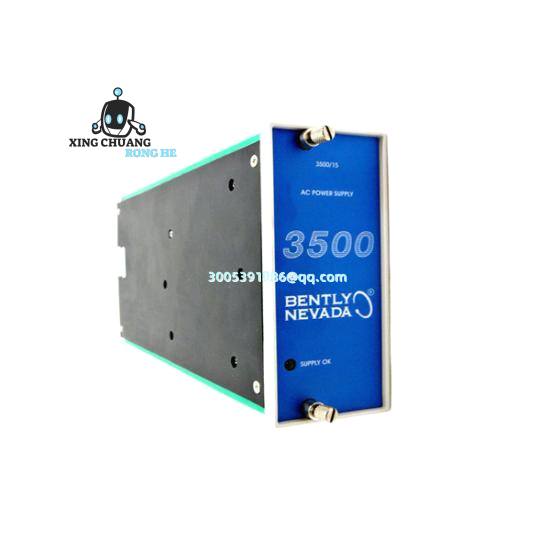
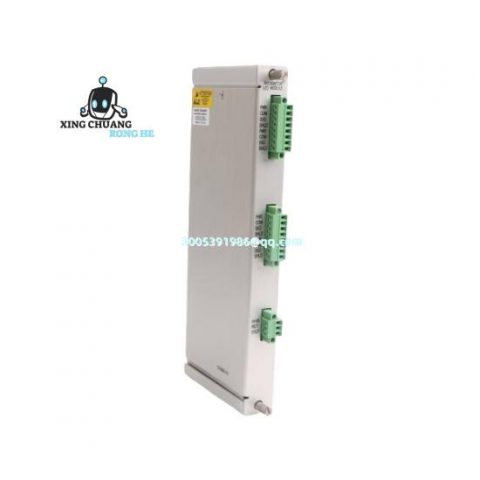
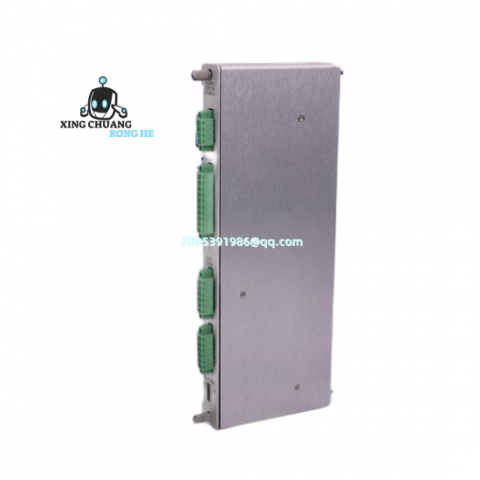
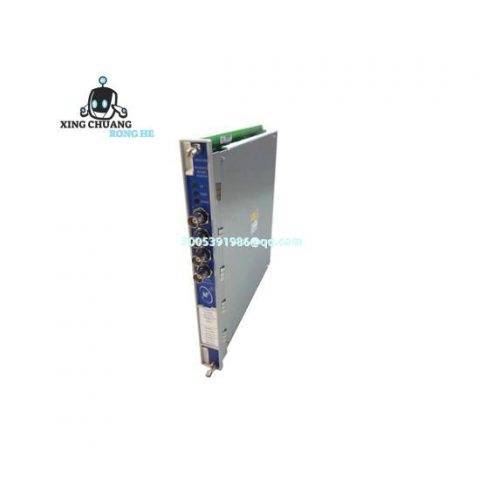
BENTLY 3500/15-01 Small Card: Your Vibration Monitoring Workhorse
You’ll find this card handling vibration monitoring duties in some of the toughest spots—turbines, compressors, and critical rotating machinery where shutdowns cost thousands per minute. It’s not flashy, but when your plant’s heartbeat depends on catching bearing wear before it becomes catastrophic? This little dual-channel module does the quiet, vital work nobody notices until it’s missing. Honestly, most reliability engineers I talk to treat these like oxygen: essential but easy to take for granted until things go sideways.
| Brand | Bently Nevada (now Baker Hughes) |
| Model | 3500/15-01 (Dual Channel Proximitor) |
| Item No. | 125840-01 |
| Input Voltage | 24 VDC (not 220V—common field mistake!) |
| Outputs | Two 4-20mA vibration signals + relay alarms |
| Dimensions | 100mm x 200mm (standard 3500 rack size) |
| Weight | 0.45 kg |
Seen these in pulp mills where humidity makes circuit boards weep, or offshore rigs where salt spray eats lesser electronics for breakfast. One maintenance lead in Alberta told me his crew calls them “the tank”—they just keep running through power surges and -40°C winters. We handle the whole 3500 ecosystem: 3500/44M rack monitors, 3300XL probes, even legacy 1769 series if you’re still running those. Last month shipped three 3500/22M cards for a LNG compressor train that couldn’t afford another unplanned stop.
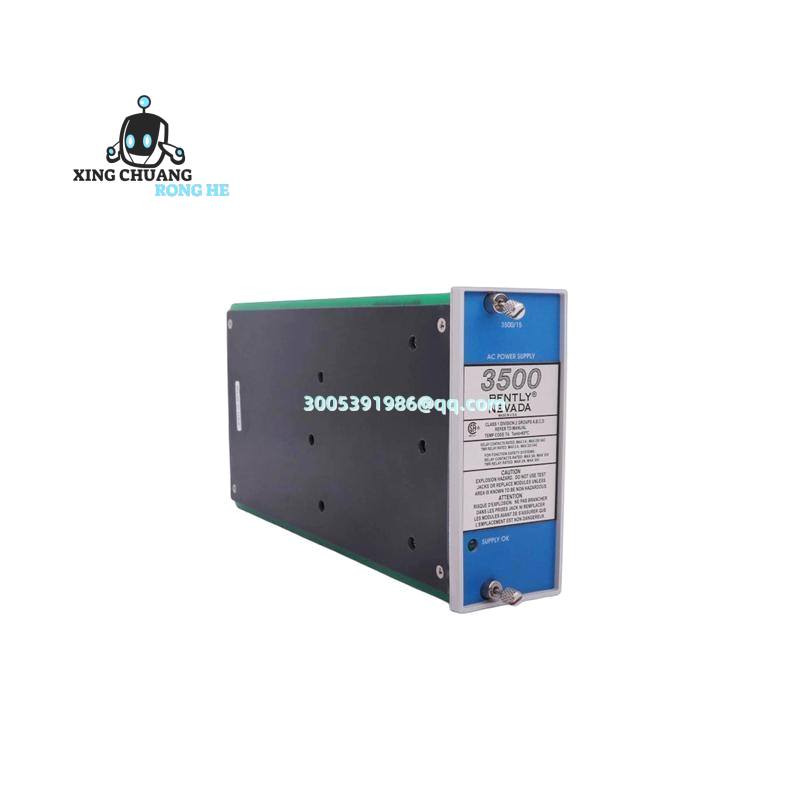
What makes this card stick around? For starters, it doesn’t need the main rack processor breathing down its neck—it handles signal conditioning locally, so vibration data stays clean even when network traffic spikes. The dual-channel isolation means if Channel A fries from a lightning strike, Channel B keeps feeding data to your DCS. Personally, I found the real magic in how it plays with older systems: slap one into a 1998 3300 rack and it’ll talk just fine, no firmware gymnastics. Oh, and that “hot swap” feature? Lifesaver when you’re elbow-deep in a midnight turbine shutdown. Just pull it out, slot in a new one, and walk away—no recalibration, no panic. Field techs love that.
There are no reviews yet.