

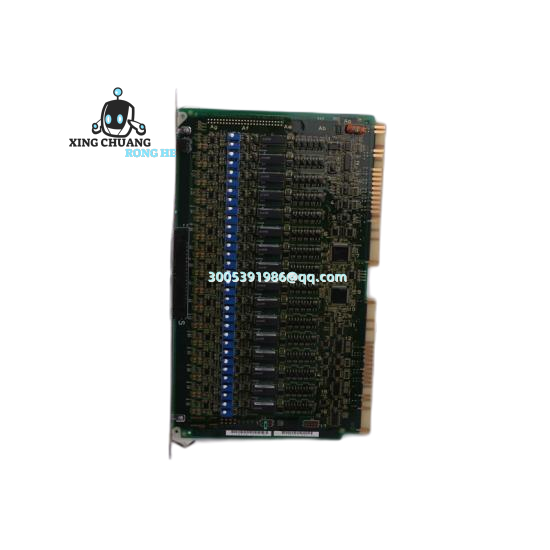
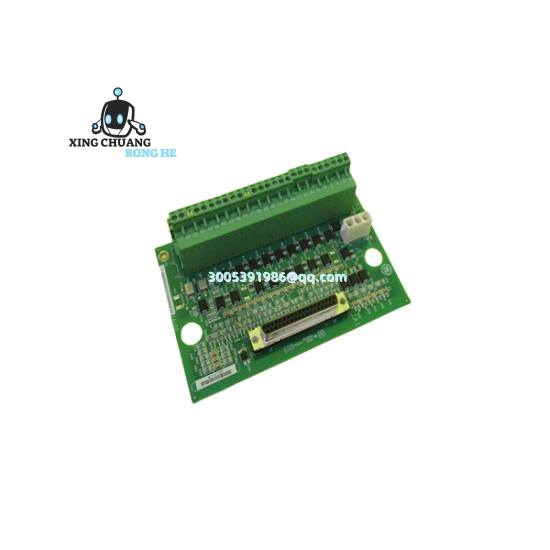
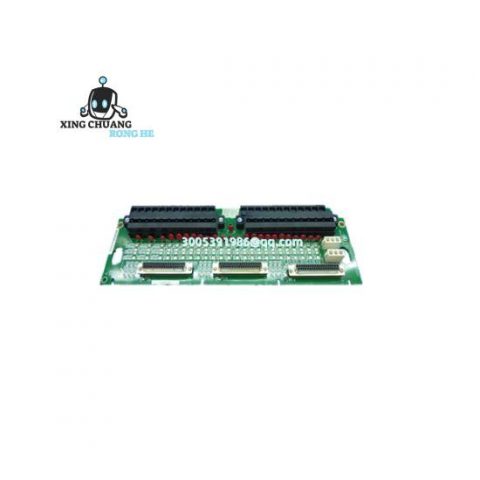
GE 516TX (336A4940DNP) Digital Input Module: Industrial-Grade Reliability Where It Counts
Keeps your production lines humming by reliably capturing sensor signals in gritty environments—think conveyor jams on packaging lines or emergency stops on assembly robots. This isn’t some delicate lab instrument; it’s built to handle the voltage spikes, dust, and temperature swings you actually deal with on the plant floor. Personally, I’ve seen these hold up near steel mill furnaces where other modules quit after six months.
| Specification | Details |
|---|---|
| Manufacturer | GE (General Electric) |
| Model / Part Number | 516TX (336A4940DNP) |
| Channel Count | 16 isolated inputs |
| Voltage Range | 12-24V DC (wide tolerance for noisy lines) |
| Operating Temp | -25°C to +60°C (no derating needed) |
| Physical Dimensions | 110 x 60 x 67 mm (fits tight panels) |
| Weight | 140g (light enough for DIN rail clusters) |
You’ll spot these handling critical tasks like monitoring turbine vibration sensors in power plants or tracking bottle positions on high-speed filling lines. One brewery tech told me how it replaced flaky third-party modules on their bottling line—zero faults through two winters. We routinely pair it with VMIVME-7750 backplanes for legacy GE systems, or alongside IS230SRTDH2A comms modules in modern retrofits. Tough, you’ll rarely need spares once it’s in.
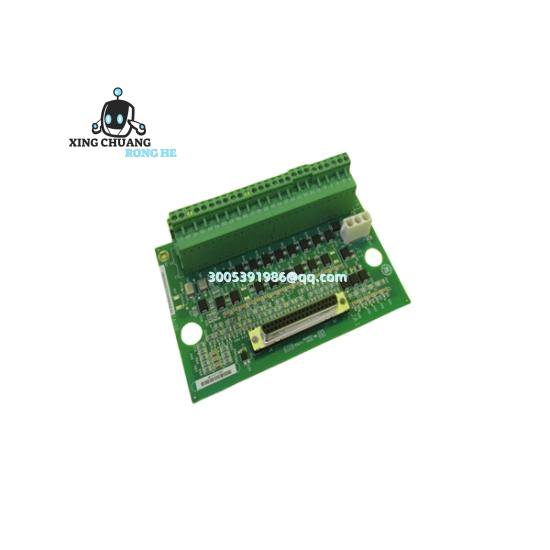
Why It Stays Running When Others Fail
The real magic’s in the channel-to-channel isolation—prevents one fried sensor from taking down the whole module. Works straight out of the box with GE’s older VME systems but also plays nice with modern Modbus networks. Saw a paper mill run these for seven years non-stop on a pulp dryer line, surviving constant steam exposure. No fancy “smart diagnostics” gimmicks here, just solid-state reliability that doesn’t flinch at 2000V surge spikes. And because GE designed it for their own ecosystem, swapping it into existing racks takes minutes—no reprogramming headaches. Honestly, for critical stop/start signals? Worth every penny to avoid a $50k/hour line shutdown.
There are no reviews yet.