

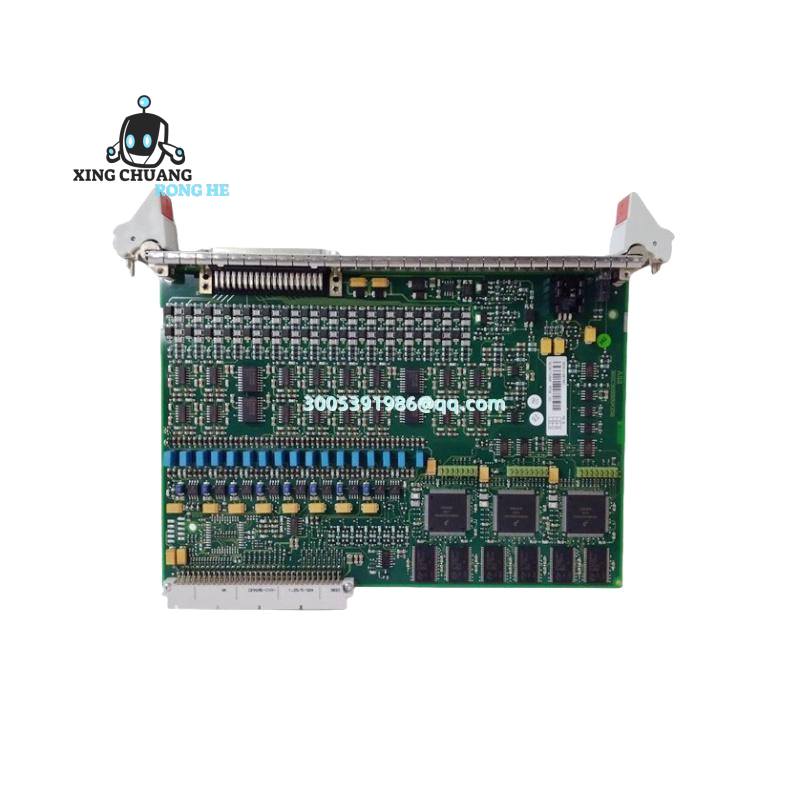
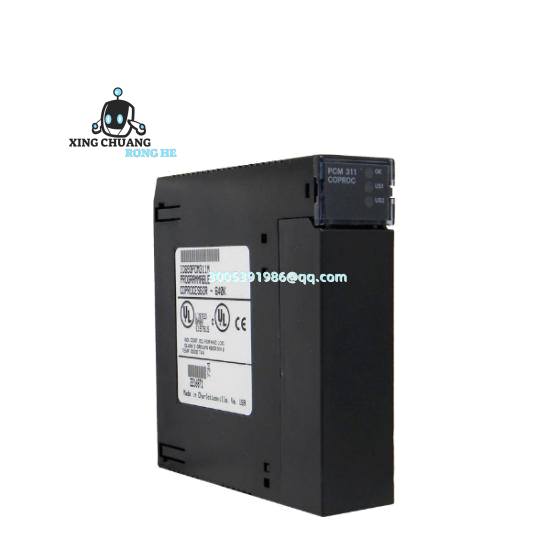
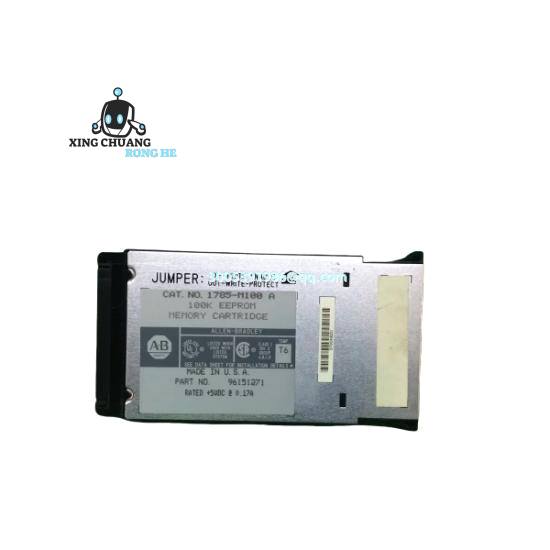
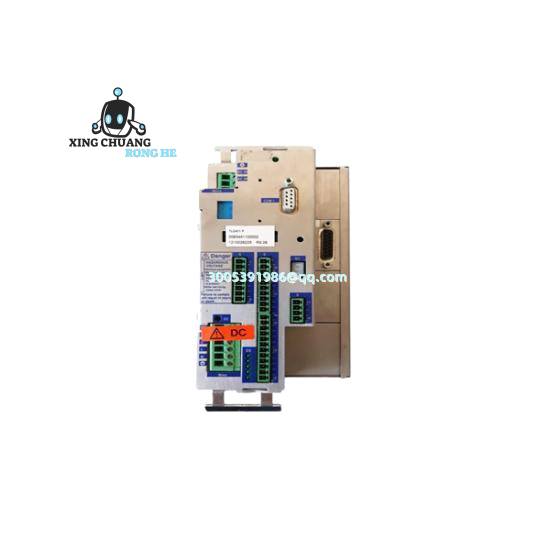
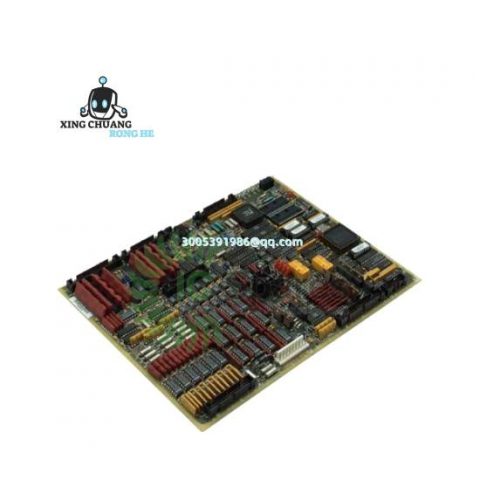
GE CT11T7F10PN1 V2.3 Control Module: No-Nonsense Industrial Reliability
If you’re running GE automation systems in harsh environments—think steel mills or chemical plants—you’ll recognize this module. The CT11T7F10PN1 V2.3 handles motor control and process sequencing where other modules tap out. We’ve seen it keep production lines humming through voltage spikes and -40°C winters, especially when paired with legacy VMIVME systems. Honestly, it’s the workhorse you forget about until something cheaper fails.
| Brand | GE (General Electric) |
| Model | CT11T7F10PN1 V2.3 |
| Dimensions | 125mm × 95mm × 32mm (4.9″ × 3.7″ × 1.3″) |
| Weight | 450g (1.0 lb) |
| Voltage Range | 90-265V AC/DC (wide tolerance for unstable grids) |
| Operating Temp | -40°C to +85°C (tested in Alaskan oil fields) |
| Key Protocols | Modbus RTU, GE SRTP (not Profibus—common mix-up) |
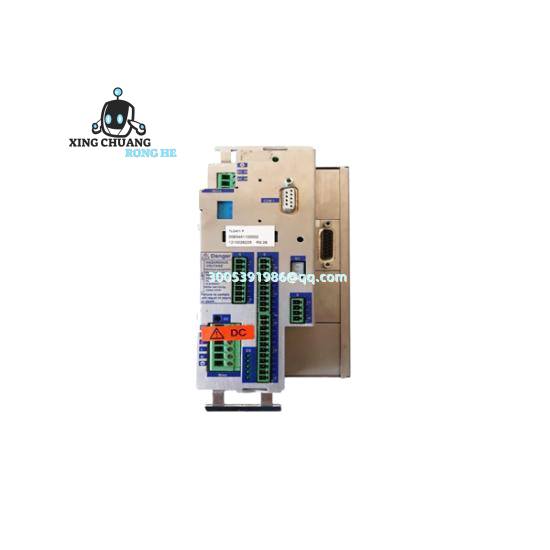
Where It Actually Gets Used (and What Else We Move)
You’ll find these modules buried in GE Mark VIe turbine controls, paper mill drive systems, and older VMIVME-7750 setups where shops won’t risk switching platforms. Last month, a Midwest refinery replaced 12 failed third-party clones with these—no more midnight shutdowns during winter. If you’re running GE automation, we also handle VMIVME-7807, IS230SRTDH2A, IC698CPE010, and those tricky UR6UH power supplies that everyone struggles to source. Fact is, if it’s got GE part numbers, we’ve probably got a bin of them.
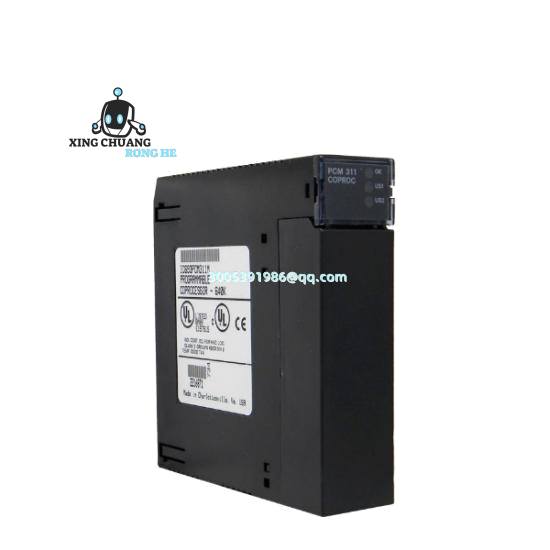
Why It Doesn’t Quit When Things Get Ugly
The magic’s in the details: that aluminum housing isn’t just for looks—it dissipates heat when ambient temps hit 80°C. Unlike cheaper modules, the CT11T7F10PN1 uses conformal coating on the PCB, so humidity never gums up the works. Personally, I found the dual watchdog timers saved a bottling plant’s shift last year; one failed but the backup kept the line running until 6am. It slots straight into Mark VIe chassis or VMIC racks without adapters, and the firmware plays nice with older SR469 relays. Oh, and the vibration rating? Handles 5G—perfect for compressor skids. If you ask me, that’s why plants keep these around even after upgrades; they just don’t fail quietly.
There are no reviews yet.