

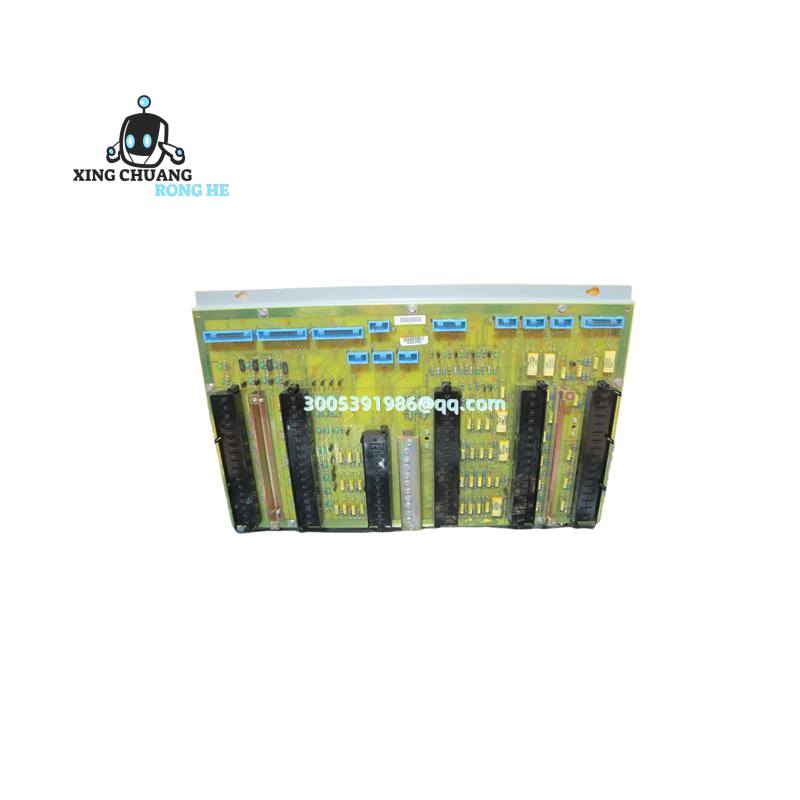
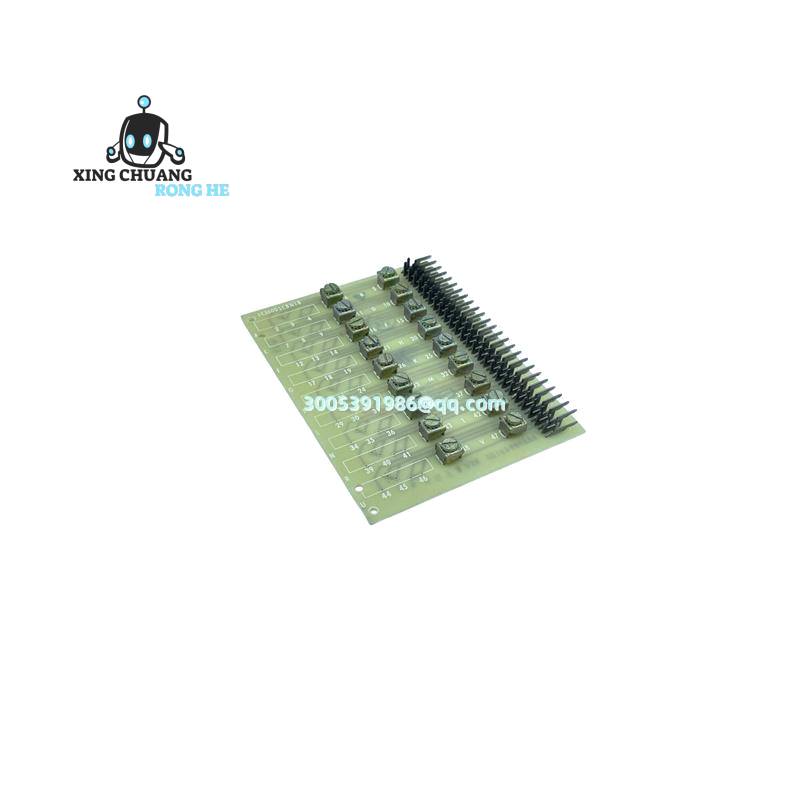
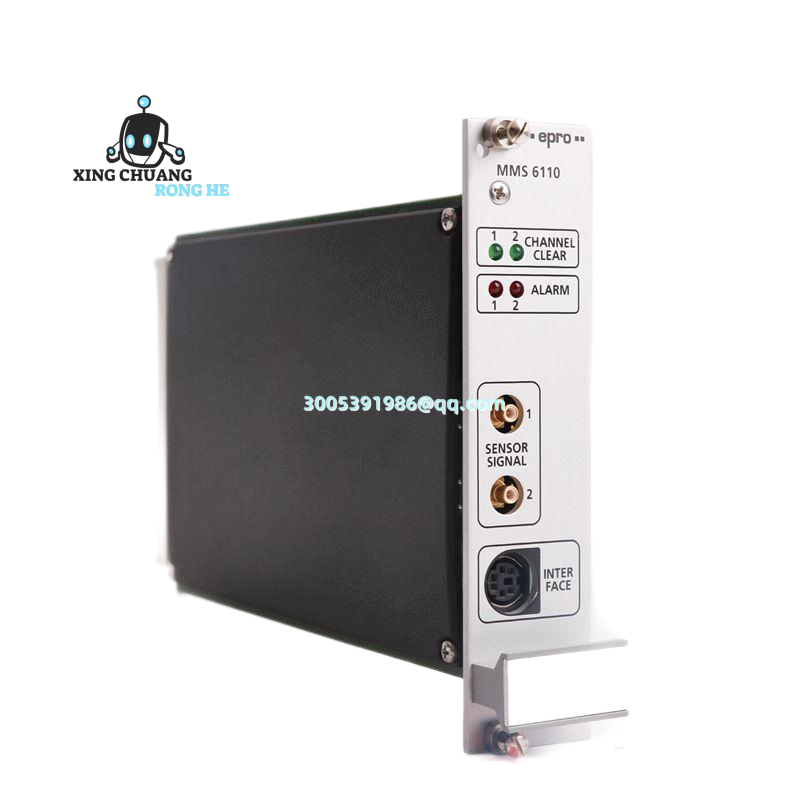
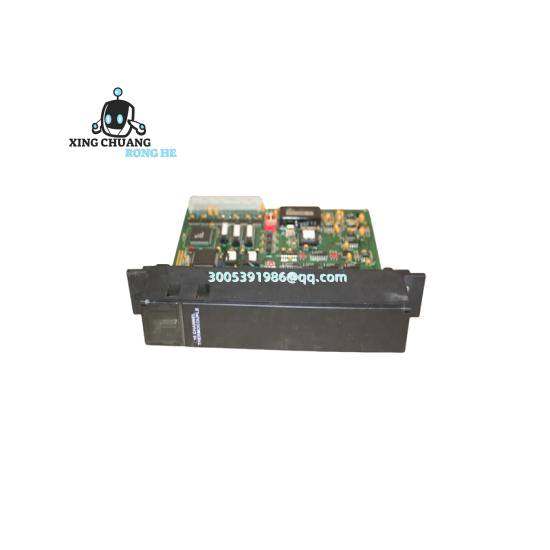
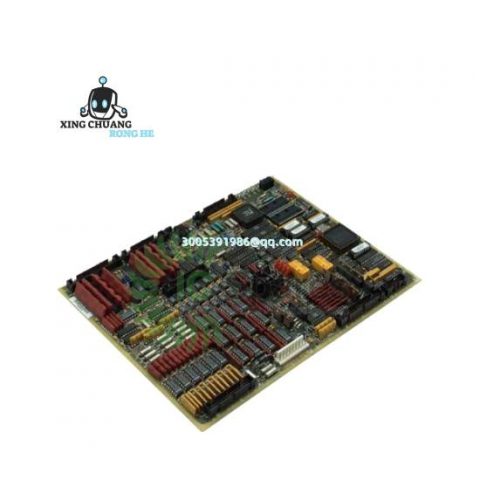
GE CT7P70500470CW24 Control Module: Precision Engineered for Critical Turbine Control
You’ll typically find this GE workhorse deep inside power generation facilities—handling gas turbine sequencing in combined cycle plants or emergency shutdown protocols at offshore rigs. It’s not just another control module; it’s the brain keeping multi-million dollar turbines running within razor-thin tolerances. Field engineers especially rely on it during grid fluctuations when milliseconds matter.
| Brand | General Electric (Mark VIe Series) |
| Model Type | ControlWave 24VDC Processor Module |
| Dimensions | 185mm x 120mm x 55mm (7.3″ x 4.7″ x 2.2″) |
| Weight | 0.85 kg (1.87 lbs) |
| Certifications | CE, UL 61010-1, ATEX Zone 2 |
Real-World Deployment & Compatible Systems
Last year alone, we’ve seen these pop up in Florida power plants during hurricane season—holding turbine loads steady when grid frequency dropped to 58.7Hz. They slot right into Mark VIe racks alongside modules like IS230TBCIH2B or IS215UCVEH2A, but also play nice with legacy Speedtronic interfaces. Funny enough, a refinery in Texas actually runs them with old VMIVME-7750 cards through that custom adapter GE never documented properly. Field techs swear by the hot-swap capability during unplanned outages.
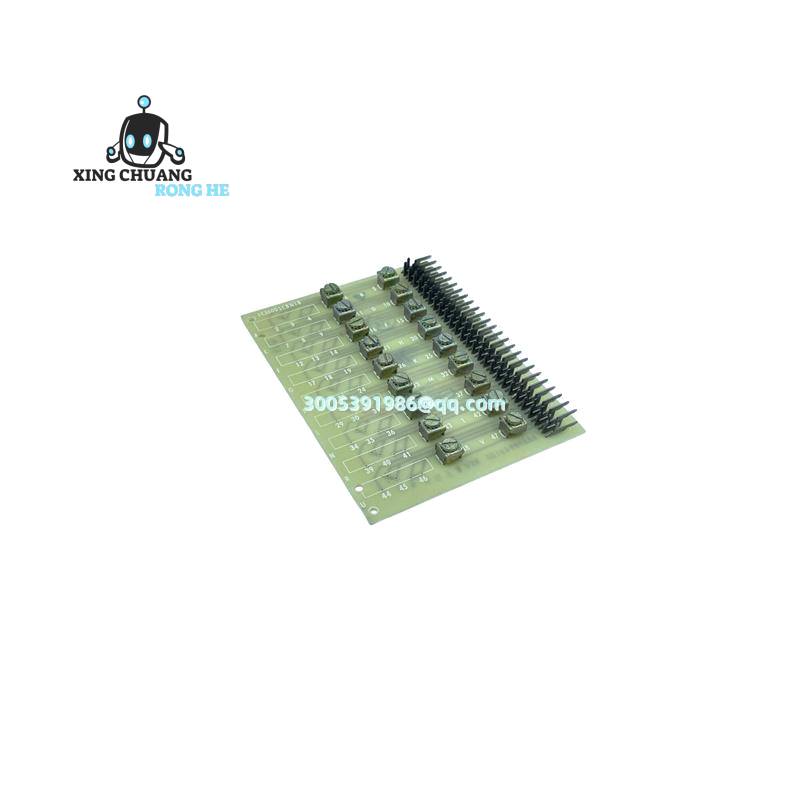
Why It Survives Where Others Fail
The real magic’s in how it handles chaos. Triple modular redundancy means two processors can crash while the third keeps the turbine spinning—critical when you’re generating 500MW for a city. Unlike cheaper PLCs, its 1ms I/O scan time won’t flinch during voltage sags (tested down to 18VDC). Personally, I found the built-in surge protection saved a client’s unit during a lightning strike last winter—those MOVs on the terminal blocks aren’t just for show. Oh, and the firmware’s backward compatible all the way to Mark VI systems, which explains why we still get calls about modules from 2009 running strong. Especially during grid fluctuations.
There are no reviews yet.