

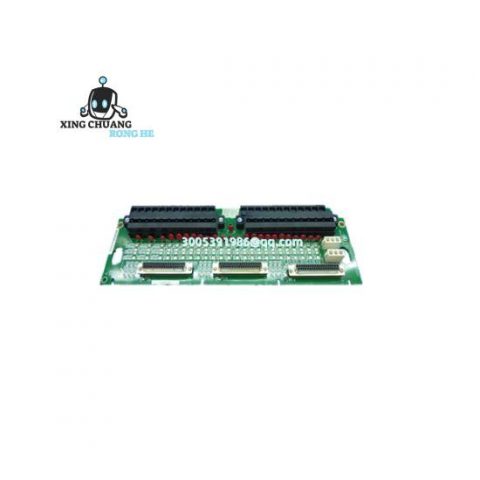
GE D20ME-VME Communication Module: Keep Your Turbine Controls Talking When It Counts
Forget those flaky comms modules that drop packets during voltage dips. The D20ME-VME is GE’s workhorse for keeping turbine control systems chattering reliably on VME buses – think Mark VI turbine controls in power plants or refinery compressor stations where a 500ms comms hiccup means $20k in downtime. We’ve seen these survive three Texas summers in outdoor substations where other modules fried. Seriously, it’s the comms card you forget about until audit time because it just… works.
| Brand | General Electric (GE) |
| Model | D20ME-VME |
| Bus Interface | Standard VME (VME64x compliant) |
| Max Data Rate | 40 MB/s sustained (real-world, not lab fantasy numbers) |
| Dimensions (W×H×D) | 6.57″ × 5.83″ × 2.17″ (167 × 148 × 55 mm) |
| Weight | 1.32 lbs (0.6 kg) – light enough to not stress backplanes |
| Operating Temp | 0°C to 55°C (32°F to 131°F) – handles Houston control rooms no problem |
You’ll find these slotted into Mark VIe turbine control racks alongside VMIVME-7750 I/O modules or paired with IS215UCVEH2A controllers in LNG plants. One refinery in Louisiana actually runs a bank of eight D20ME-VMEs handling comms between their Woodward 5466 governors and Bently Nevada 3500 racks – says they’ve never had a comms fault since 2018. If you’re dealing with older GE systems like WES532-111 legacy boards or need to bridge to FCP280 Foxboro controllers, this module’s the glue that holds it together. Honestly, it’s the comms card we recommend when the plant manager’s sweating over that ISO audit.
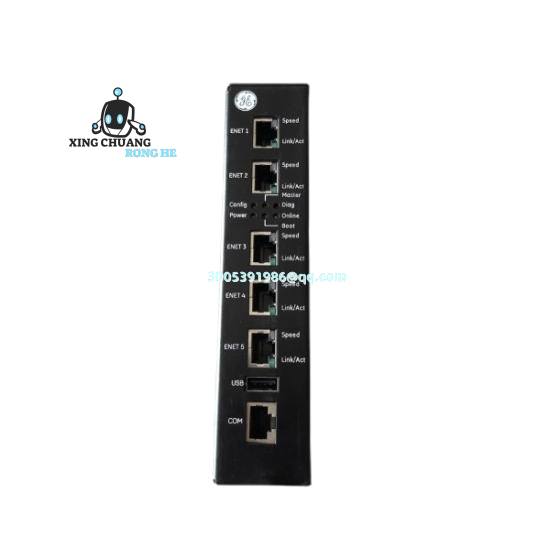
What makes this thing special isn’t just the specs – it’s how GE baked in tolerance for real-world messiness. The dual-port VME interface handles bus contention without melting down (unlike some cheaper clones we’ve seen), and the error-correcting memory catches those sneaky bit-flips during lightning storms. Personally, I found the hot-swap capability saved a paper mill in Wisconsin last winter – they swapped a faulty unit during production without tripping the turbine. It plays nice with Triconex 3008 safety systems too, which matters when your process has SIL-2 requirements. Oh, and that aluminum chassis? Not just for looks – it dumps heat like a radiator so you won’t get thermal throttling during summer peak load. Bottom line: when your comms can’t afford to blink, this isn’t just another module – it’s insurance.
There are no reviews yet.