

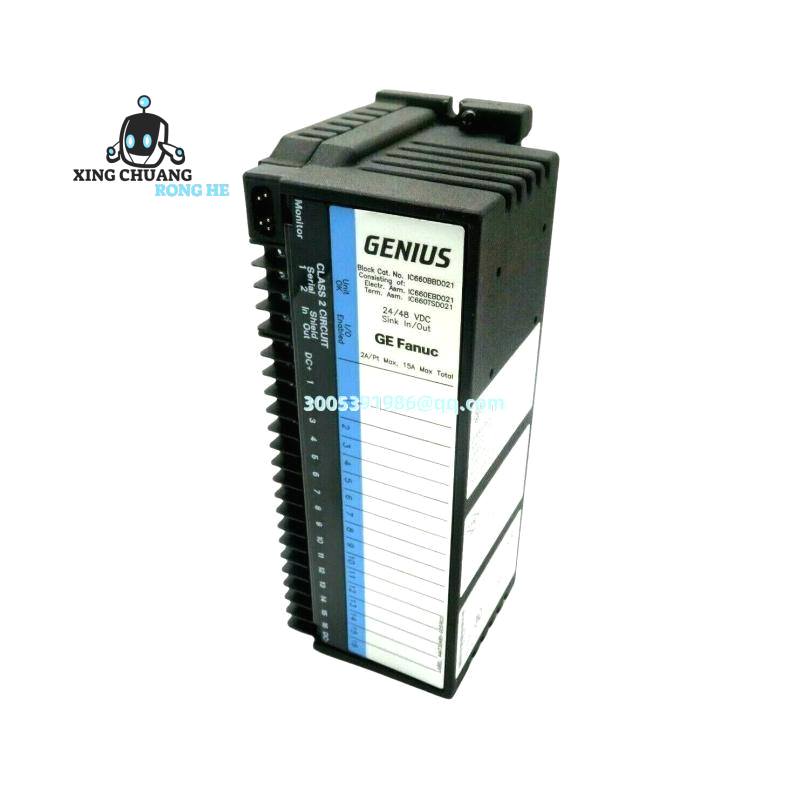
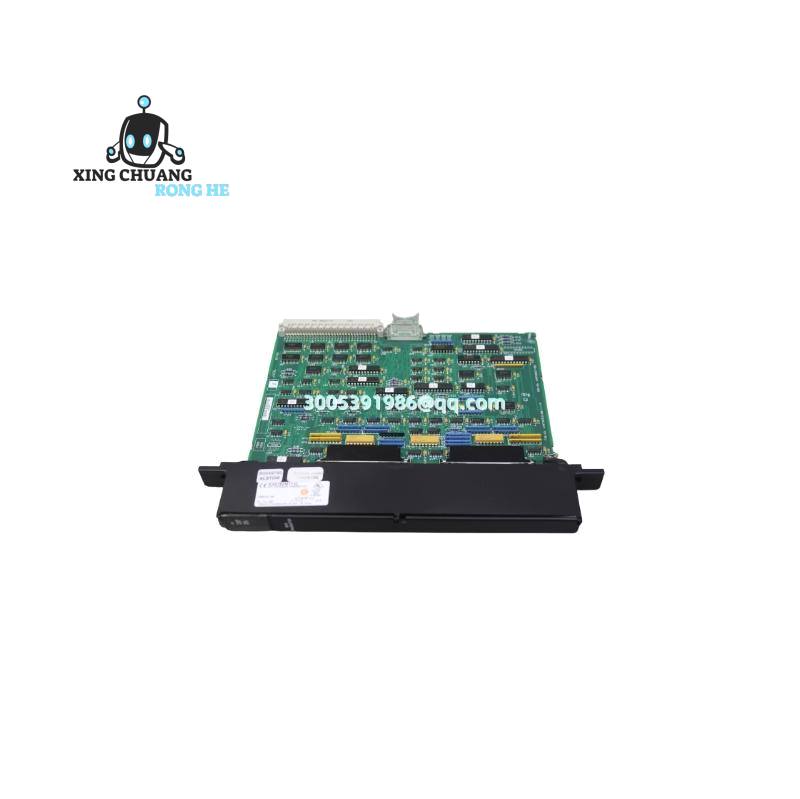
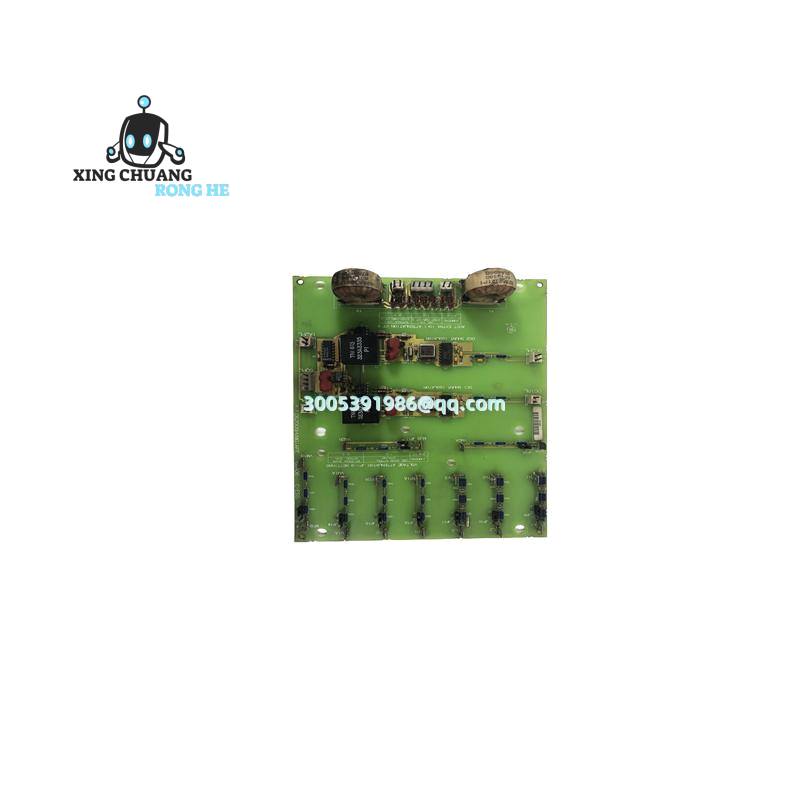
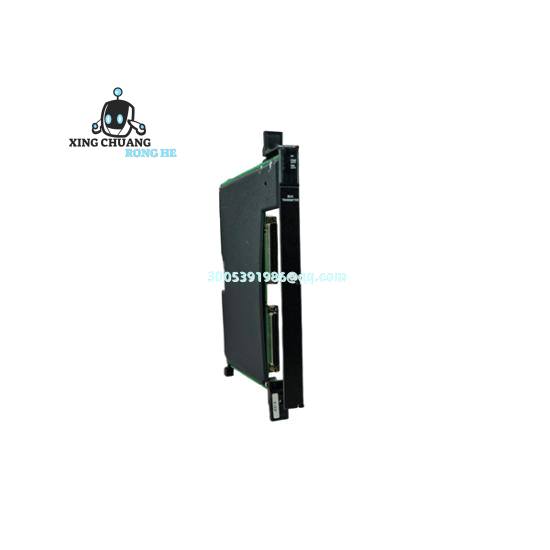
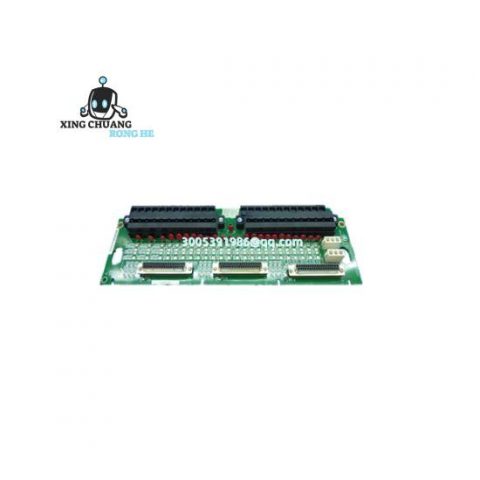
GE Fanuc IC687BEM713 Bus Expansion Module: Reliable System Scaling for Industrial Automation
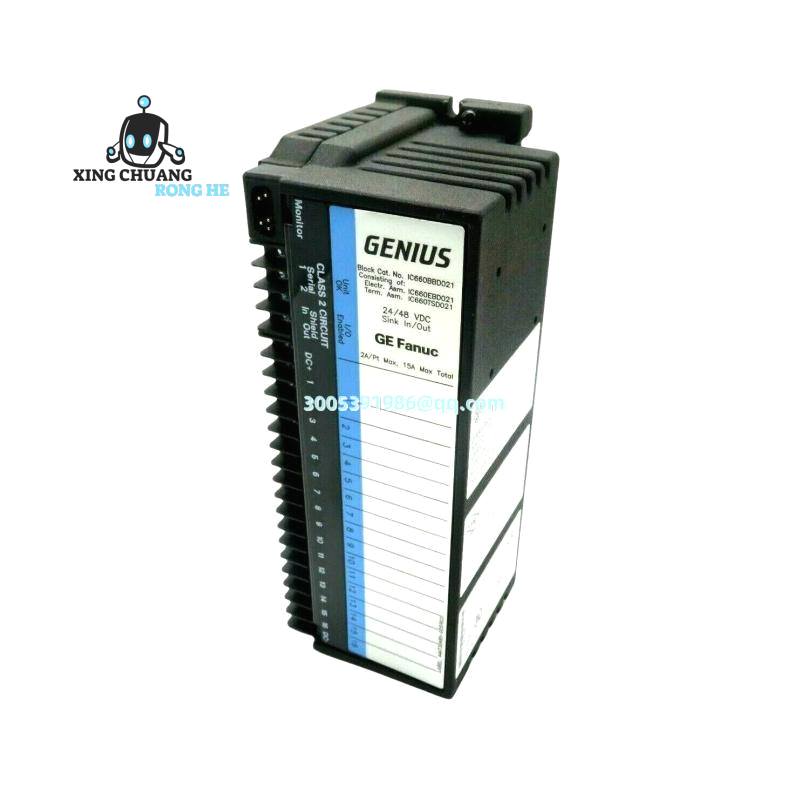
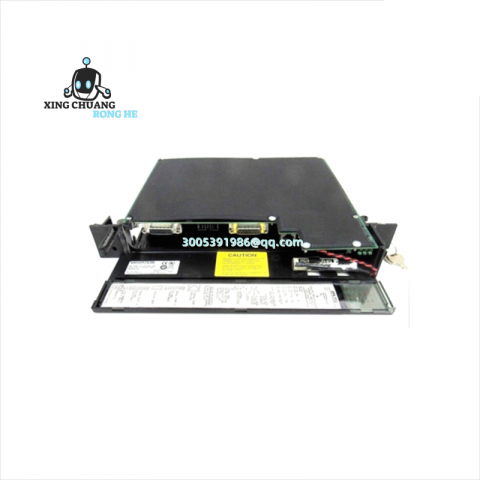
This GE Fanuc workhorse handles data traffic between PLC racks in demanding factory environments. You’ll typically see it bridging main controllers with remote I/O stations—think conveyor systems needing extra sensors or packaging lines adding new stations. It moves data at 500 Kbytes/sec, which honestly keeps most legacy systems humming without breaking a sweat. When your production line outgrows its original setup, this module’s how you bolt on capacity without scrapping the whole system.
| Specification | Detail |
|---|---|
| Part Number | IC687BEM713 |
| Brand | GE Fanuc |
| Data Rate | 500 Kbytes/sec (practical throughput) |
| Rack Expansion | Up to 7 expansion racks |
| Cable Length | 50 feet max (standard coax) |
| Program Storage | 20-30 seconds for 16 Kbyte program |
| Physical Size | 12.5″ x 7.2″ x 3.8″ (fits standard 19″ racks) |
Where You’ll Actually Use This Module
Factories upgrading old GE Fanuc systems reach for this when adding capacity—like that automotive plant in Ohio that needed three extra racks for welding robots last year. It plays nice with VMIVME-7807 processors and IS230SRTDH2A comms modules in legacy setups. You’ll see it in power plants handling turbine controls (paired with IC698CPE010 CPUs) or food processing lines where they bolted on FBM240 analog cards. One customer told me, “It saved us $20k in rewiring when we expanded the bottling line.” Honestly, if you’re running GE Series 90-70 systems and hitting rack limits, this is your go-to. Just remember the 50-foot cable rule—saw a brewery mess up their install by stretching it to 60 feet and getting signal noise.
Why It Still Holds Up in Modern Plants
Sure, it’s not gigabit-fast, but that 500 Kbytes/sec rate? Handles typical I/O updates without choking. What really matters is how it tolerates factory chaos—vibrations from heavy machinery, temperature swings in unheated warehouses, even voltage spikes during shift changes. The bus protocol’s deterministic timing means your safety interlocks won’t lag when it counts. Personally, I’ve seen these run 15+ years in chemical plants because GE built them with industrial-grade components (not the cheap stuff). It’s compatible with all Series 90-70 backplanes and plays well with Triconex 3008 modules for redundancy setups. One thing to note: that 20-30 second program store time feels slow today, but in practice, you only do it during maintenance windows anyway. Bottom line? If your system’s already GE-based, this beats ripping everything out for “modern” solutions that cost three times more.
There are no reviews yet.