

GE IC697MDL750 Touch Screen Module: Keeping Legacy Lines Running
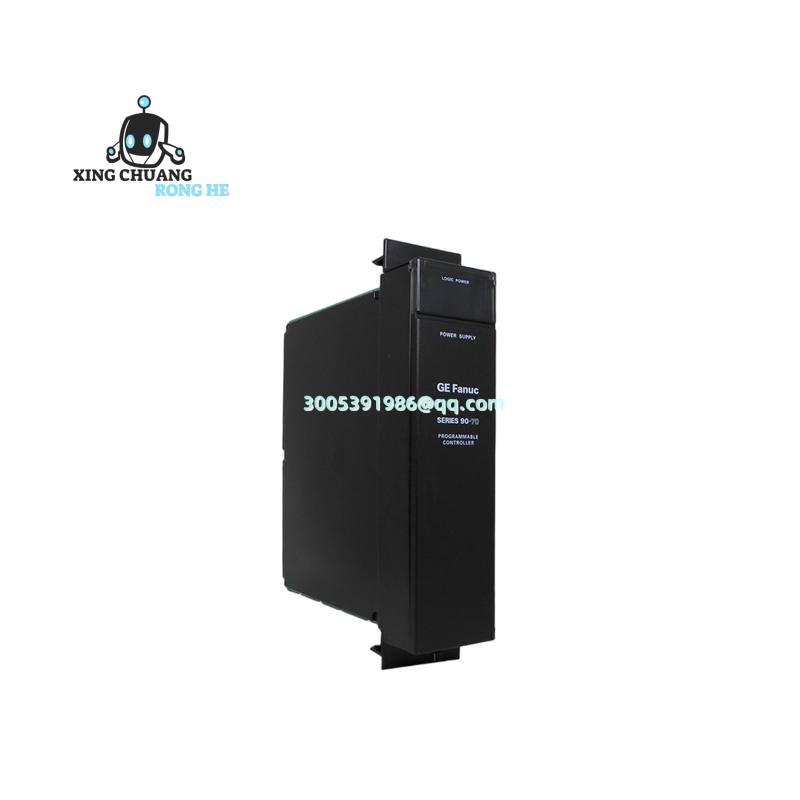
This rugged touch screen module keeps older GE Fanuc 90-30 PLC systems humming in factories where replacing entire control setups isn’t practical. Operators use it daily for basic machine monitoring—think conveyor speed adjustments or alarm acknowledgments—right on the production floor. Honestly, it’s not fancy by today’s standards, but when you’re maintaining 20-year-old bottling lines or paper mills, reliability matters more than flashy graphics.
| Brand | GE Fanuc (Legacy 90-30 Series) |
| Display Type | Monochrome LCD with resistive touch overlay |
| Dimensions | 21.3 x 22 x 13 cm (8.4″ x 8.7″ x 5.1″) |
| Weight | 2.92 kg (6.4 lbs) |
| Power | 24V DC ±10% (common in older control cabinets) |
| Key Feature | Physical backup buttons below screen (lifesaver when touch gets oily) |
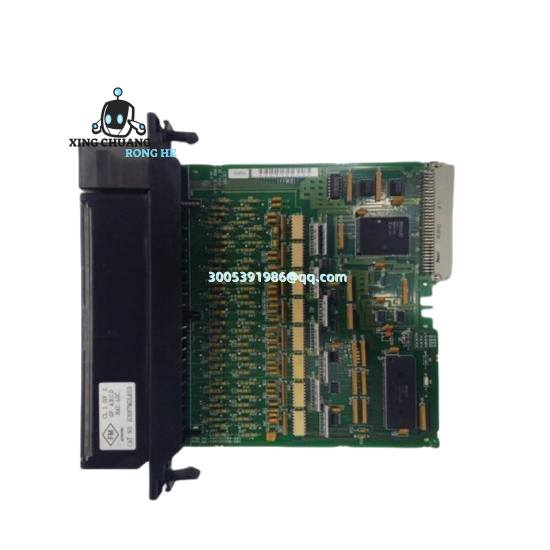
Where You’ll Still Find This Workhorse
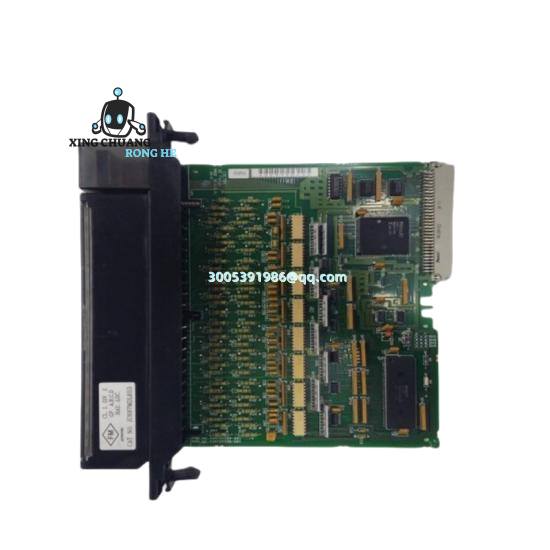
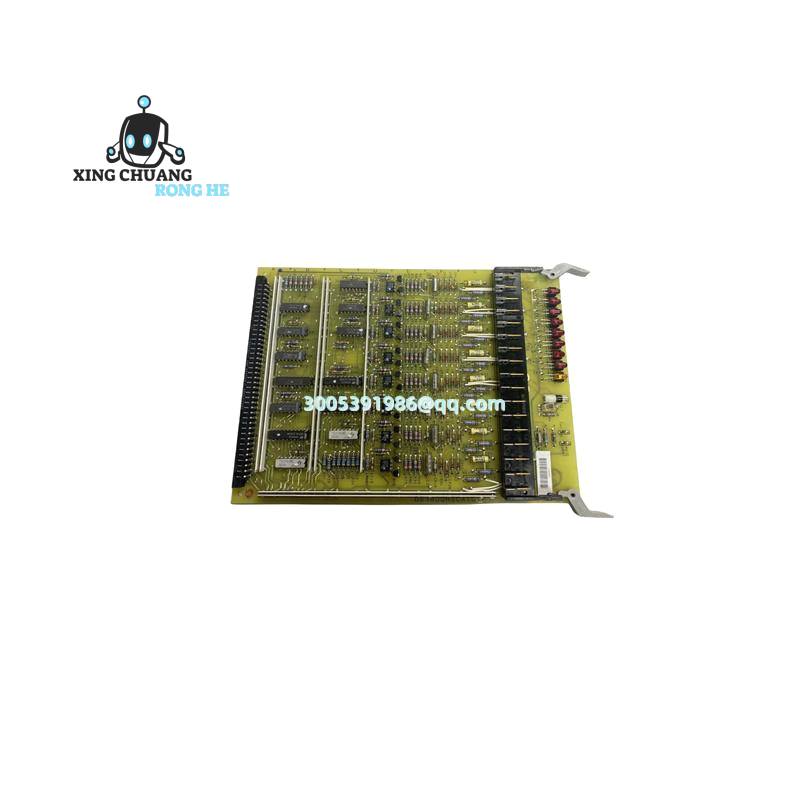
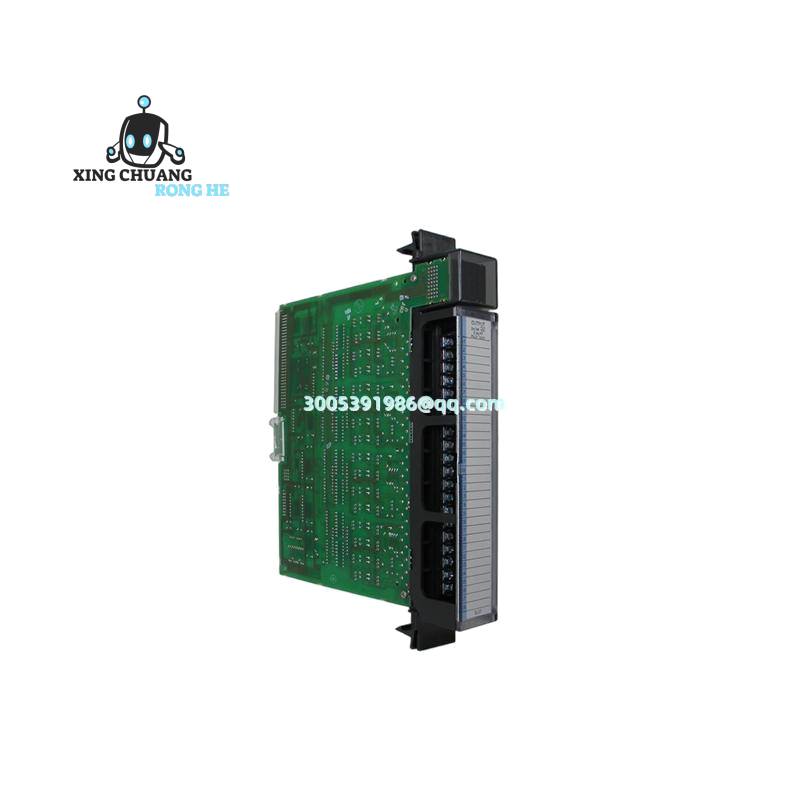
Most of these are holding down the fort in aging infrastructure—cement plants, legacy automotive assembly lines, or municipal water treatment facilities where budgets won’t stretch for full system overhauls. We’ve pulled units like this out of 1990s-era packaging lines still running 24/7. If you’re troubleshooting a GE Fanuc 90-30 rack (models IC693, IC697), this module slots right into slot 0 of the CPU rack. Common companions include the IC697CPU782 processors or IC697ALG230 analog cards. One plant manager told us, “It’s the only thing keeping our midnight shift operators from scribbling notes on the control cabinet.”
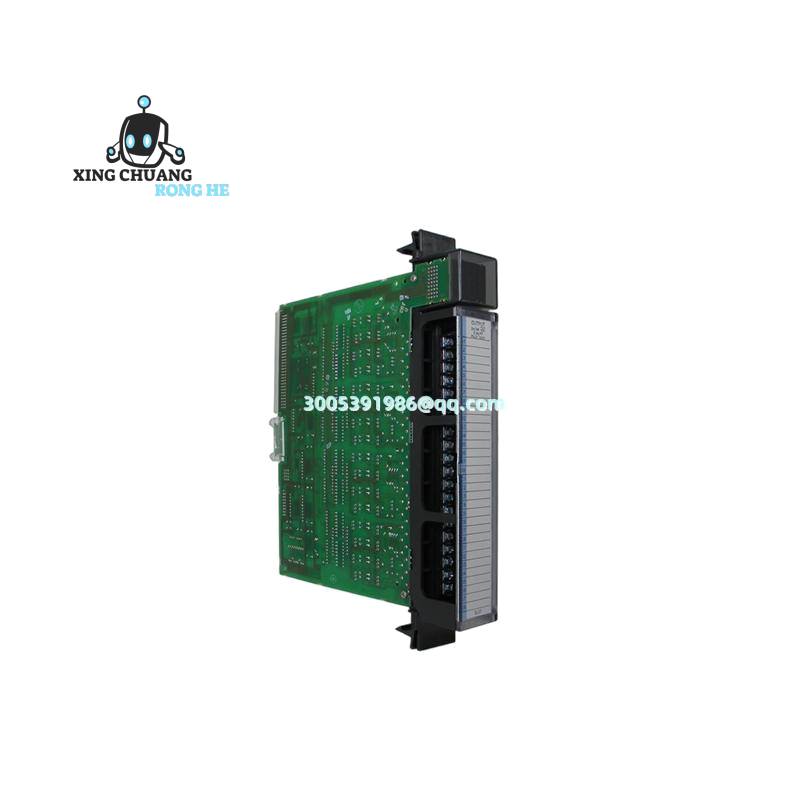
Why It Still Holds Up (When It Works)
Let’s be real—the touchscreen responsiveness isn’t iPhone-level, but that’s not why plants keep these around. The real value? Dead-simple integration with existing GE Fanuc logic. No drivers to install, no network headaches—just plug into the backplane and configure via Cimplicity or older Logicmaster software. The physical membrane buttons underneath the screen? Absolute genius for greasy environments where touch fails. Personally, I’ve seen these survive 15+ years in steel mills where newer HMIs conked out from vibration. Downside? No redundancy options, and the monochrome display struggles in direct sunlight. But for basic status monitoring where downtime costs $20k/hour? Worth its weight in gold. Just make sure you’ve got spares—the backlight inverters do eventually fail.
There are no reviews yet.