

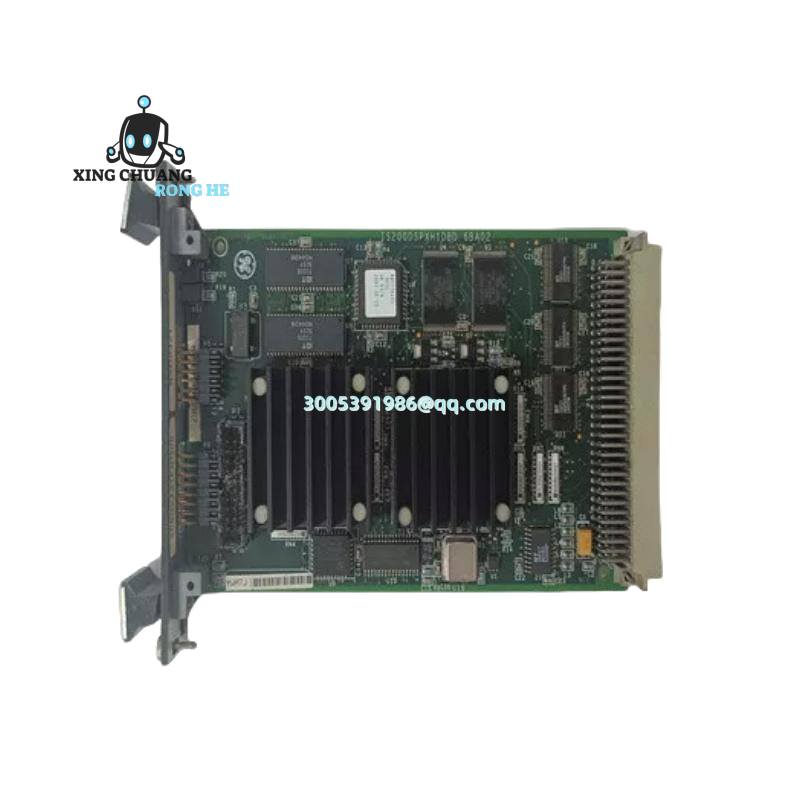
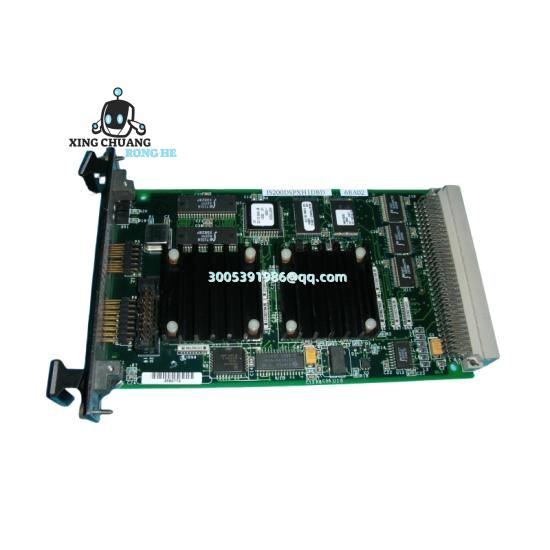
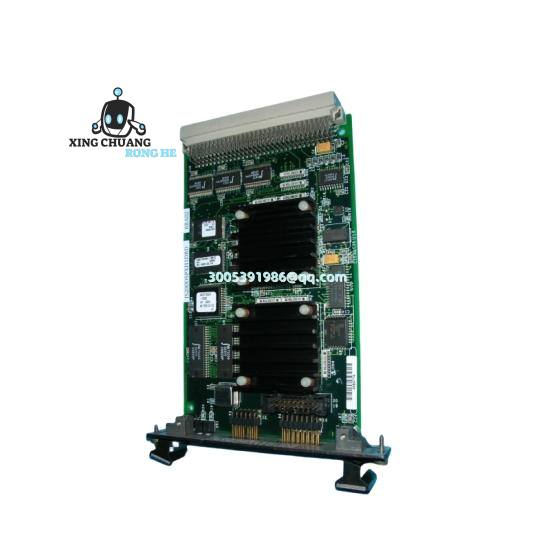
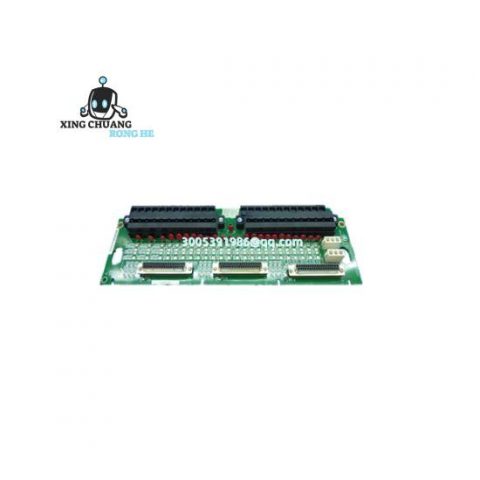
GE IS200DSPXH1DBD: Precision Control for Critical Turbine Operations
When your gas turbine needs millisecond-precise control during startup or load changes, this Mark VI Speedtronic board becomes your frontline defense against instability. It’s not just another processor—it actively manages combustion dynamics and speed regulation in power plants where a single glitch means megawatts lost. Honestly, I’ve seen plants run smoother after replacing older DSP boards with this model, especially during those tricky transition periods between base and peak load.
| Brand | General Electric (GE) |
| Series | Mark VI Speedtronic |
| Processor | 60 MHz DSP + ASIC co-processor |
| Dimensions | 5.8″ x 3.9″ (147mm x 100mm) with 0.8″ faceplate |
| Weight | Approx. 1.1 lbs (0.5 kg) with connectors |
| Interface | Windows-based ToolboxST software |
You’ll typically find this board humming inside combined-cycle plants during combustion tuning or when handling grid frequency swings. A plant engineer in Texas told me how it prevented flameout during sudden load drops—that’s the kind of real-world reliability you need. We regularly supply these alongside other GE Mark VI components like the VMIVME-7807 I/O modules and IS230SRTDH2A communication cards, especially for retrofit projects where legacy systems meet modern grid demands. Funny enough, it’s become a go-to replacement for older IS200DSPXH1DAD units when plants upgrade their vibration monitoring.
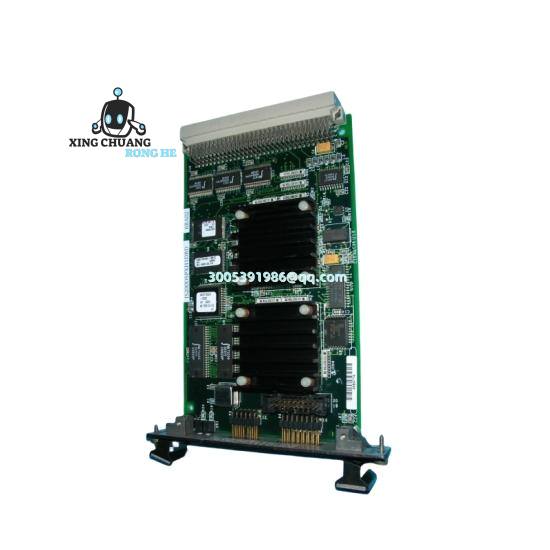
What really sets this apart? The ASIC handles real-time combustion calculations while the DSP manages speed control—no waiting for external processors. It’s built to survive 50,000+ hours in 60°C control rooms without breaking a sweat, and the modular design means swapping it takes less than 15 minutes during outages. Personally, I’ve noticed plants using redundant IS200DSPXH1DBD pairs report near-zero control-related downtime, especially when paired with GE’s IS215UCVEH2A valve controllers. The Windows interface might feel dated, but it plays nice with legacy HMI systems that haven’t migrated to web-based platforms yet. Oh, and don’t overlook the built-in diagnostics—it flagged a failing thermocouple for a client last month before the turbine even hiccupped.
There are no reviews yet.