

GE IS200EXHSG3AEC: The Workhorse Relay Driver for Critical Turbine Protection
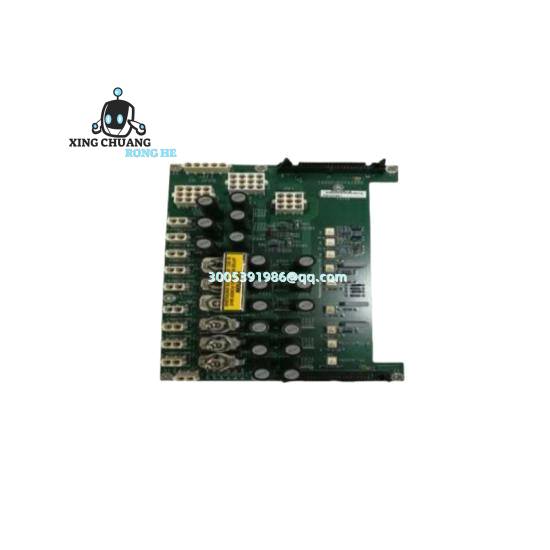
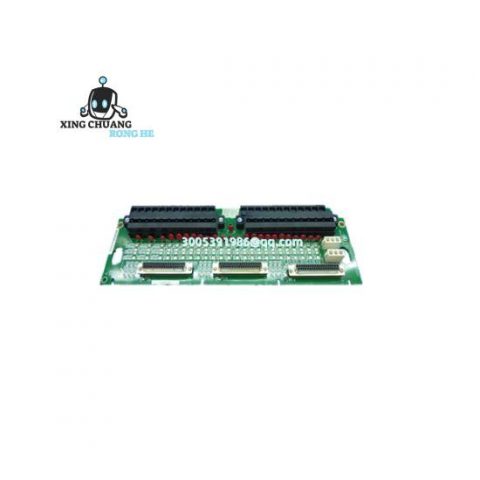
Truth be told, you don’t want fancy bells and whistles when protecting turbine exciters. The GE IS200EXHSG3AEC gets straight to business as a dedicated high-speed relay driver PCB in EX2100 systems. It handles those nasty current surges during generator startup without flinching—something field engineers really appreciate when avoiding costly downtime. Honestly, it’s the unsung hero keeping contactors snapping shut cleanly when milliseconds matter.
| Attribute | Specification |
| Manufacturer | GE (now Baker Hughes) |
| Series | EX2100 Excitation Control |
| Functional Type | EXHS (Exciter High-Speed Relay Driver) |
| Physical Size | Approx. 6.1″ x 3.9″ (155 x 100 mm) – fits standard EX2100 slots |
| Weight | Around 0.65 lbs (295 g) – won’t strain backplane connectors |
| Coating | Standard acrylic conformal – handles typical plant humidity but not salt spray |
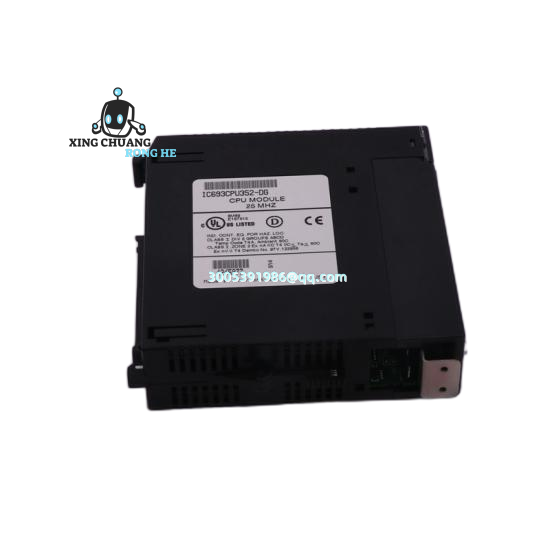
You’ll typically spot these driving contactors in gas turbine startups—like when a GE Frame 7FA needs that exciter field engaged fast during synchronization. One plant in Ohio actually runs six of these per unit just for redundancy during black-start scenarios. And yeah, they pop up in retrofits too; we’ve paired them with IS230SBC2H modules when upgrading older Mark V systems. Honestly, if you’re working with EX2100 cabinets (or even some Mark VIe hybrids), this board’s probably doing heavy lifting somewhere. Common siblings include the IS200TREGH and IS200LVCOH modules—same ecosystem, different jobs.
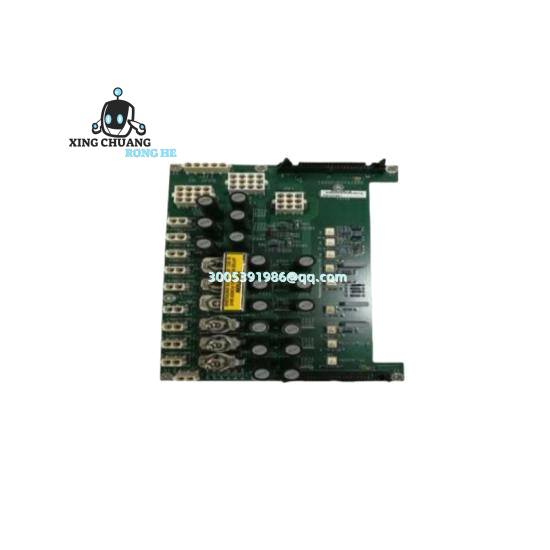
What makes it stick around? First off, those eight multi-position connectors—ranging from 2-pin up to 12-pin—mean you won’t fight with custom wiring harnesses during swaps. Personally, I’ve seen techs replace these in under 10 minutes during forced outages, which is huge when the grid’s waiting. It handles 200+ amps cleanly without contact welding, and the normal coating? Solid enough for most Midwest plants but skip it if you’re near the coast. Works with Mark VIe systems too—no adapter needed. Oh, and the revision history matters: Revision C boards fixed that pesky voltage spike issue from early 2010s batches. Just check the silkscreen before installing. Bottom line? When your turbine’s breathing heavy, this thing won’t quit.
There are no reviews yet.