

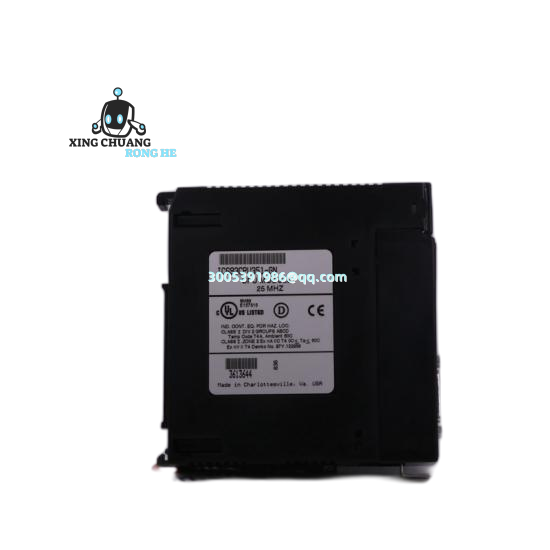
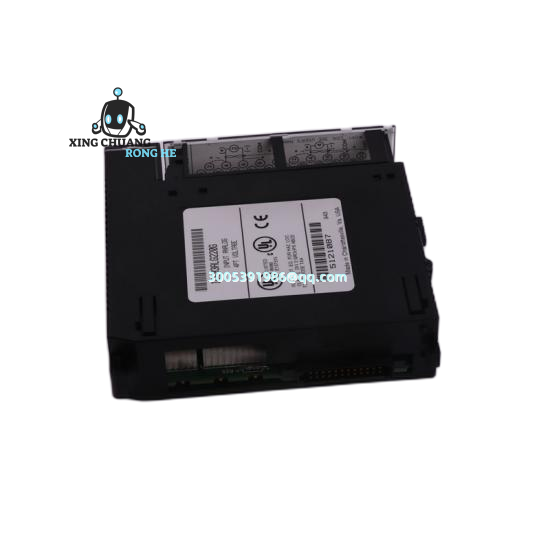
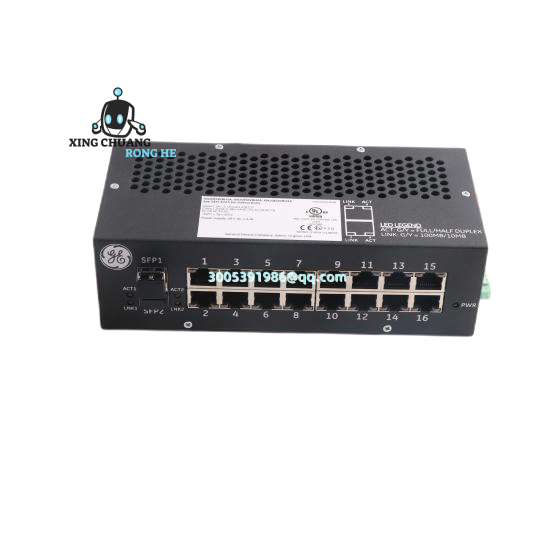
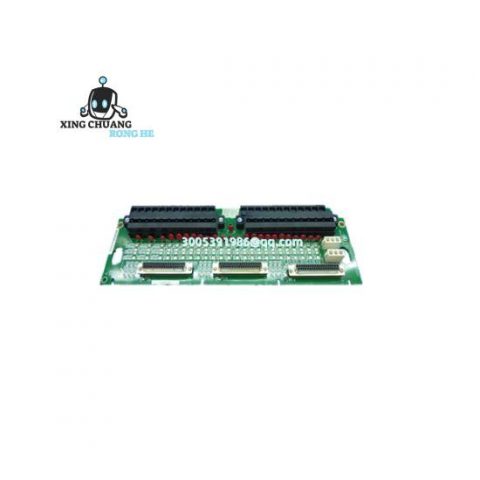
GE IS200VPROH2B & IS200VPROH1BEF – Your Workhorse I/O Modules for Tough Industrial Environments
These GE Mark VI I/O modules? They’re the quiet heroes in power plants and refineries where reliability isn’t optional. The IS200VPROH2B handles high-speed pulse inputs for turbine monitoring, while the IS200VPROH1BEF manages critical analog outputs – think controlling valve positions during a sudden grid dip. We’ve seen them keep lines running through Midwest winters and Gulf Coast humidity spikes, no fancy talk needed.
| Attribute | Specification |
|---|---|
| Brand | General Electric (Mark VI Series) |
| Core Function | Pulse Input (H2B) / Analog Output (H1BEF) |
| Voltage Range | Input: 70-145V DC (nominal 125V) Outputs: 5V DC logic, 28V DC field power |
| Performance | Frame rate: ≤100Hz MPU pulse range: 2Hz – 14kHz (H2B) |
| Physical | 12.5 x 8.2 x 3.1 in (318 x 208 x 79mm) Weight: ~3.2 lbs (1.45kg) with heatsink |
| Environmental | Operates at -25°C to +70°C 5-95% non-condensing humidity |
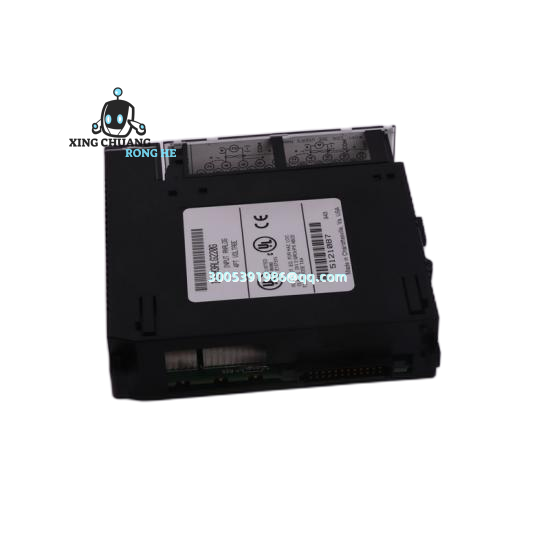
Thing is, these modules shine where others tap out. Last month a paper mill in Wisconsin called us frantic – their old IS200VPROH1B outputs were drifting during steam surges. Swapped in the H1BEF with its tighter 0.1% linearity, and they haven’t looked back. We keep these in stock alongside siblings like the IS200VPROH1AF (for 4-20mA loops) and IS200VPROH2C (higher pulse density). If you’re running Mark VI on gas turbines or hydro plants, these are the unsung heroes keeping your governors and exciters humming. Honestly, the H2B’s noise immunity saved a Texas refinery’s compressor train during a lightning storm last summer – not something you’d see in a datasheet.
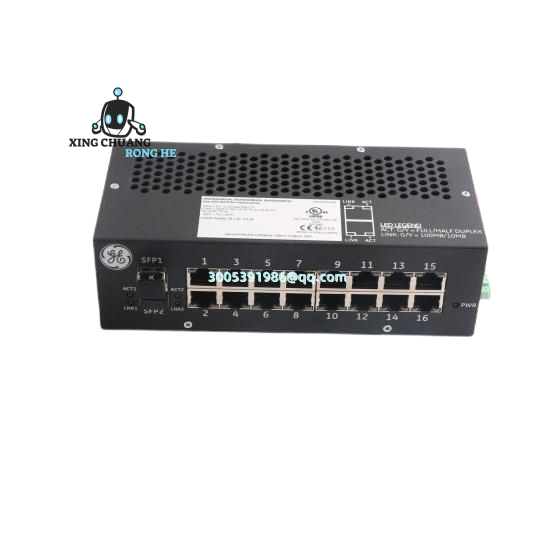
Why They Hold Up When It Counts
Let’s be real – most I/O modules claim “industrial grade” but crumble at -30°C or near VFD noise. These GE workhorses? They’ve got that baked-in Mark VI toughness: dual-layer conformal coating you don’t pay extra for, and isolation that laughs at ground loops from nearby arc furnaces. The H1BEF’s 28V output drives solenoids directly without external relays – shaved $18k off a client’s retrofit last quarter. And the pulse input range? 14kHz isn’t just a number; it catches turbine blade vibrations before they become catastrophic. Personally, I found the hot-swap capability saves hours during outages – no need to kill power to swap a faulty channel. Plus, they slot right into existing Mark VI racks alongside VMIVME-7750s or IS215UCVEH2As. Not flashy, but you’ll sleep better knowing your critical loops run through these.
There are no reviews yet.