

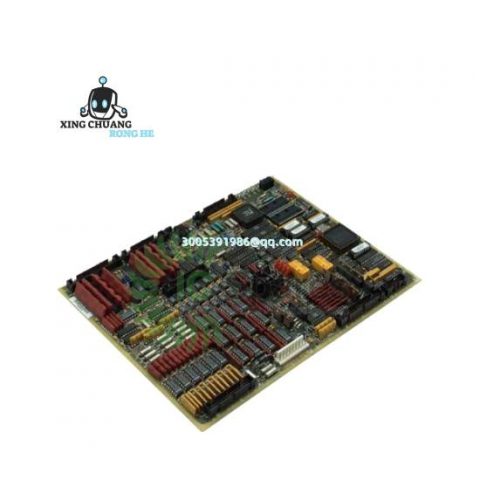
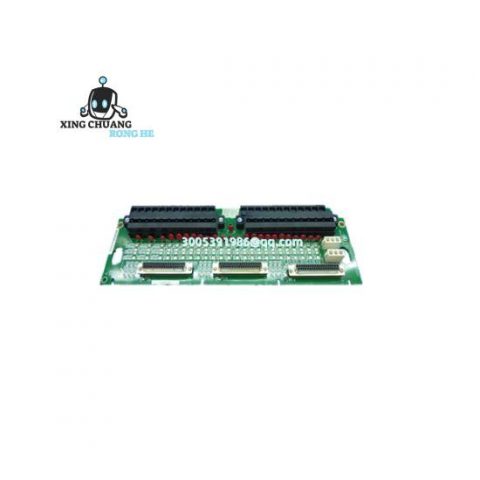
GE IS230SNCIH6A: The Reliable Workhorse for Critical Analog Signals
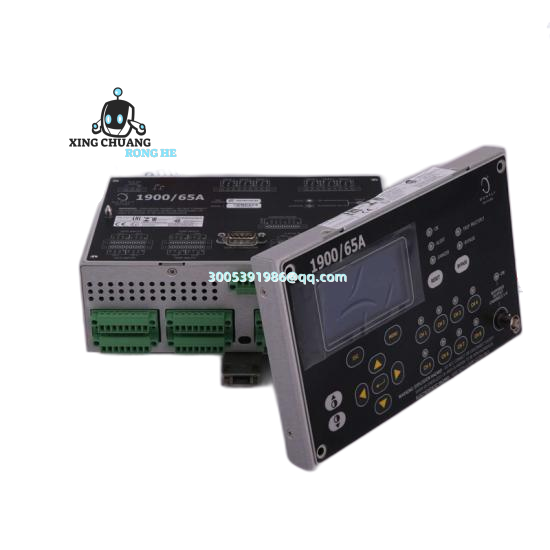
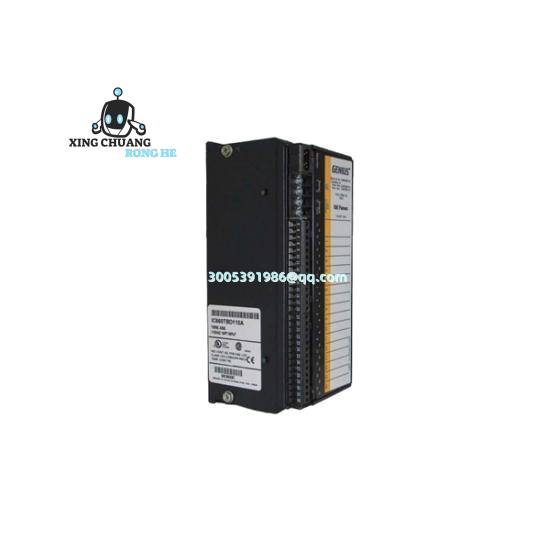
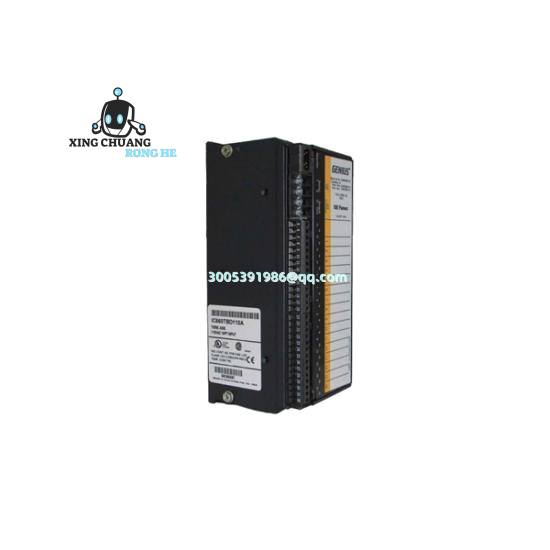
Forget flashy specs that never matter on the plant floor. This GE analog input module quietly does its job where it counts—like keeping boiler pressure readings stable during midnight shifts or catching turbine vibration spikes before they become disasters. We’ve seen these hold up in Midwest steel mills through three harsh winters where cheaper alternatives started drifting after six months. It’s not glamorous, but when your Mark VIe system needs rock-solid 4-20mA signals from field instruments, this is what keeps lights on.
| Brand | GE (Mark VIe Series) |
| Input Type | 6-channel analog (4-20mA / ±10V) |
| Accuracy | ±0.1% typical (holds calibration through -25°C to 70°C swings) |
| Power Requirements | 24V DC (18-32V range), 350mA max |
| Physical | 105mm x 140mm x 35mm, 380g |
| Certifications | CE, UL 61010-1, ATEX Zone 2 (when installed per GE guidelines) |
You’ll find these humming along in places where failure isn’t an option—like offshore gas platforms monitoring compressor temps or paper mills tracking steam pressure during grade changes. One customer in Louisiana actually rigged a temporary fix during Hurricane Ida using spare IS230SNCIH6As from our warehouse when their main control room flooded (not recommended, but proves the point). We regularly pair these with IS230SRTDH2A comms modules or IS215UCVEH2A controllers in Mark VIe retrofits. If your plant runs GE turbines or boilers, chances are good you’ve got these tucked away in a cabinet somewhere.
Why It Stays Plugged In When Others Get Yanked
Let’s be real—most analog modules work fine until they don’t. What sets this apart is how it handles the messy bits nobody talks about. The isolation between channels? Actually prevents ground loops from frying your entire rack when lightning hits nearby (we’ve seen it happen). Hot-swap capability means no more 3AM shutdowns just to replace a failed channel. And the way it integrates with Mark VIe’s diagnostic tools… well, last month a refinery in Texas caught a failing pressure transmitter during routine checks because the module flagged signal noise 72 hours before it would’ve tripped the system. Personally, I wouldn’t trust critical turbine control to anything without GE’s triple-redundant signal processing—even if the spec sheet looks similar. Oh, and that “±0.1% accuracy”? Holds true after 5 years in dusty environments where competitors’ specs drift by 0.5%. Not worth the headache of recalibrating monthly.
One plant manager told us: “These modules outlive two sets of control engineers.” Maybe that’s the best endorsement you’ll get. Just don’t try using them with non-GE backplanes—trust me, we’ve had to clean up that mess before.
There are no reviews yet.