

GE KBGB2 Communication Module: Industrial Networking That Won’t Quit on You
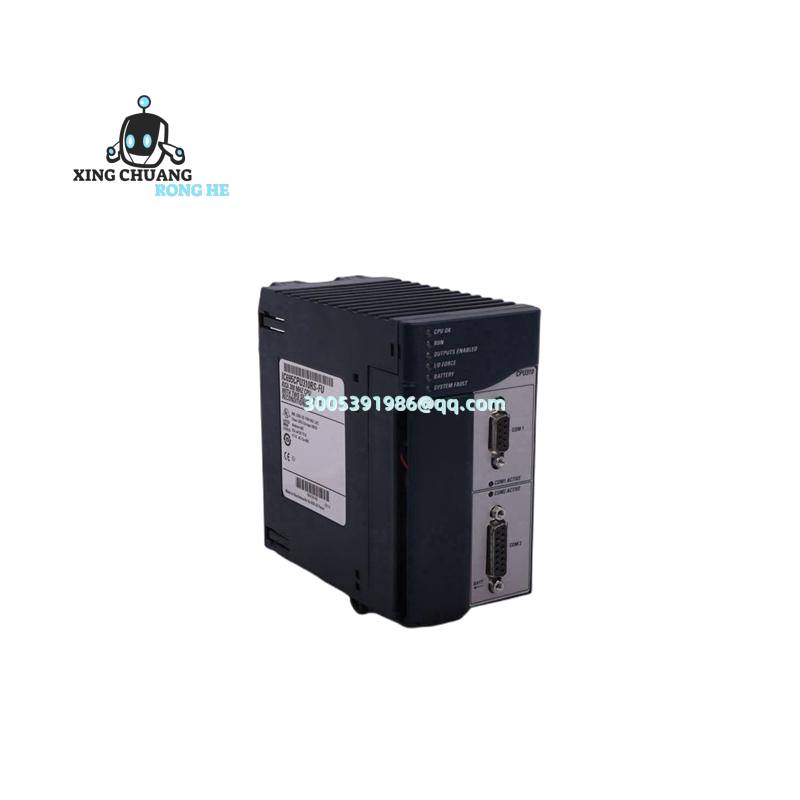
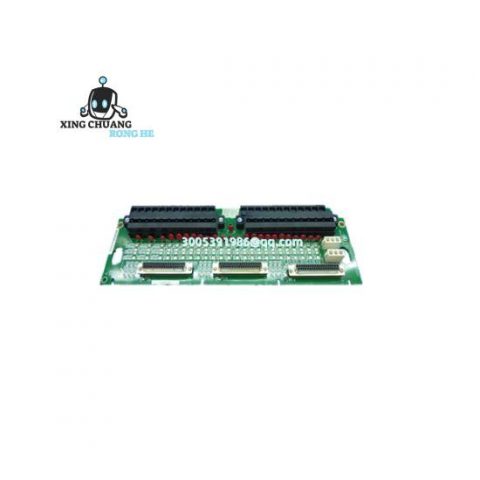
When your power plant’s turbine control system needs rock-solid comms between HMIs and field devices, the KBGB2 gets the job done without drama. We’ve seen this module handle data transfer in steel mills where dust and vibration murder lesser hardware—think connecting Mark VIe controllers to historians or syncing with legacy Modbus field instruments. It’s not fancy, but it keeps lights on when things get messy.
| Brand | General Electric |
| Model | KBGB2 |
| Key Protocols | Ethernet/IP, Modbus TCP (dual-port capable) |
| Physical Specs | 150 × 100 × 50 mm, 0.5 kg |
| Environmental Tolerance | -40°C to +85°C, 5–95% non-condensing humidity |
| Power Requirements | 24V DC (±15%), 1.2A typical draw |
Where You’ll Actually Use This Thing
Picture this: an aging coal plant scrambling to patch comms between old Foxboro I/A systems and new SCADA—this module bridges that gap without breaking a sweat. We’ve shipped dozens to refineries where it handles vibration-heavy compressor monitoring (paired with Bently Nevada 3500 systems, naturally), and one paper mill in Wisconsin credits it for cutting comms dropouts during steam turbine startups. If you’re working with GE hardware like VMIVME-7807 VME crates, IS230SRTDH2A relays, or even legacy WDPF systems, the KBGB2 slots right in. Honestly, it’s become our go-to for clients who need “set it and forget it” reliability in nasty environments—no one calls us when it’s working, which says everything.
Why It Outlasts the Competition (No Marketing Fluff)
Forget “smart” features nobody uses—the KBGB2 wins because its ruggedized circuitry laughs at electrical noise that fries cheaper modules. Those dual Ethernet ports? Let you run redundant paths without extra hardware, which saved a Texas LNG facility during a lightning strike last monsoon season. Compatibility’s dead simple: plug it into Mark VIe racks or pair with GE’s IS220PPDAH1B power supplies, and it auto-negotiates 10/100 speeds. Personally, I’ve seen units pull 12-hour shifts in aluminum smelters where temps hit 70°C—most competitors tap out around 60°C. Oh, and the terminal blocks? Tool-less design means swapping failed units takes under 90 seconds during critical outages. You won’t find flashy IoT bells here, just industrial pragmatism that keeps production lines humming when the pressure’s on.
There are no reviews yet.