

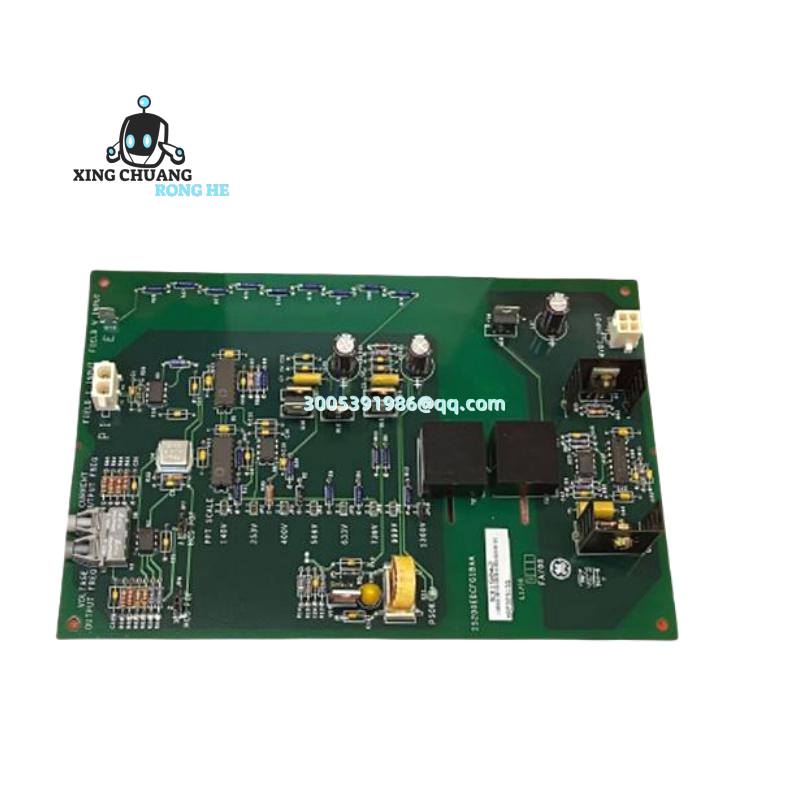
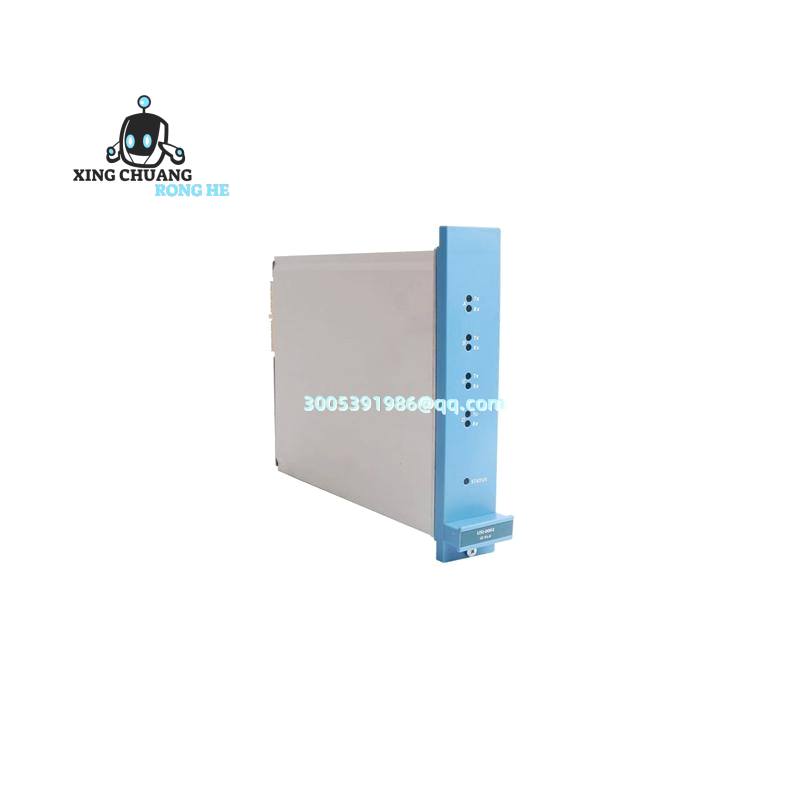
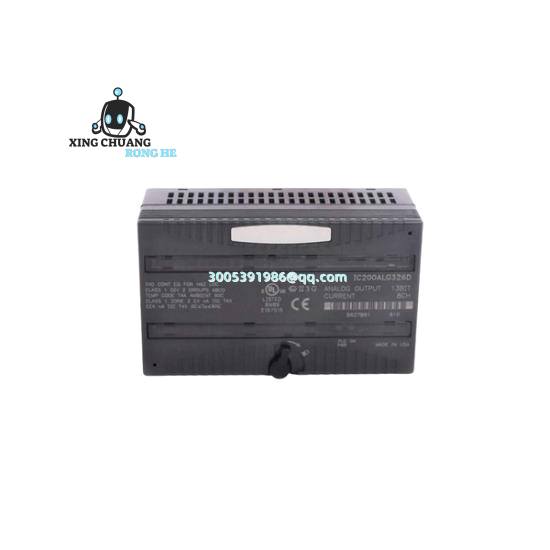
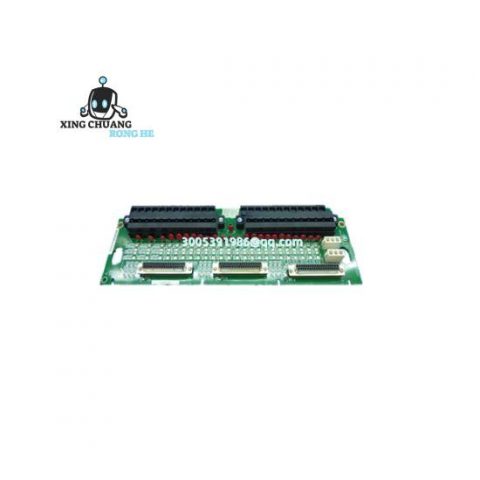
GE TED1340-50WL Temperature Transmitter: Precision You Can Trust in Tough Environments
This little workhorse handles temperature monitoring where other controllers tap out—think foundry cooling lines or chemical reactor jackets that throw wild swings. We’ve seen it hold steady when ambient temps jump 50°C in minutes, which honestly keeps maintenance crews from losing sleep. Not flashy, but you’ll appreciate it when production runs 24/7 without drift.
| Specification | Details |
|---|---|
| Brand | GE (General Electric) |
| Model | TED1340-50WL |
| Input Types | J/K/T/E/R/S/B thermocouples, Pt100 RTD |
| Output Signal | 4-20mA (50 kHz noise rejection) |
| Power Supply | 18-30 VDC (loop-powered) |
| Accuracy | ±0.1% of span (typical) |
| Dimensions | 90 × 45 × 120 mm (DIN rail mount) |
| Weight | 320g |
Where You’ll Actually Use This Thing
Picture a Midwest steel mill where furnace thermocouples get cooked at 1,200°C daily—this transmitter won’t flinch. One customer swapped out their old Foxboro units last winter because the GE handled induction heating harmonics that drowned out signals on cheaper gear. If you’re running GE Mark VIe systems or even retrofitting legacy Westinghouse OVATION panels, it slots right in. We move these alongside VMIVME-7750 modules for turbine control or pair them with IS230SRTDH2A comms cards when plants need full redundancy. Honestly, if your process involves nasty EMI or needs sub-degree stability, skip the generic stuff.
Why It’s Not Just Another Box on the Rail
That 50 kHz output isn’t just marketing fluff—it chops through 60 Hz plant noise like a hot knife. Last month a pharma client told us their batch reactors finally stopped false-tripping because the TED1340-50WL ignored VFD interference that wrecked their previous setup. The cast aluminum housing laughs at washdowns, and the dual-channel isolation? Lifesaver when grounding issues haunt your I/O racks. Personally, I found the zero-drift calibration holds up crazy well—even after 18 months in a paper mill’s steam tunnels, readings stayed within 0.25°C. Oh, and if you’re using GE’s Proficy systems, the HART diagnostics plug straight into your historian without custom drivers. No fancy “AI optimization” here, just bulletproof electronics that won’t quit during midnight shifts.
There are no reviews yet.