

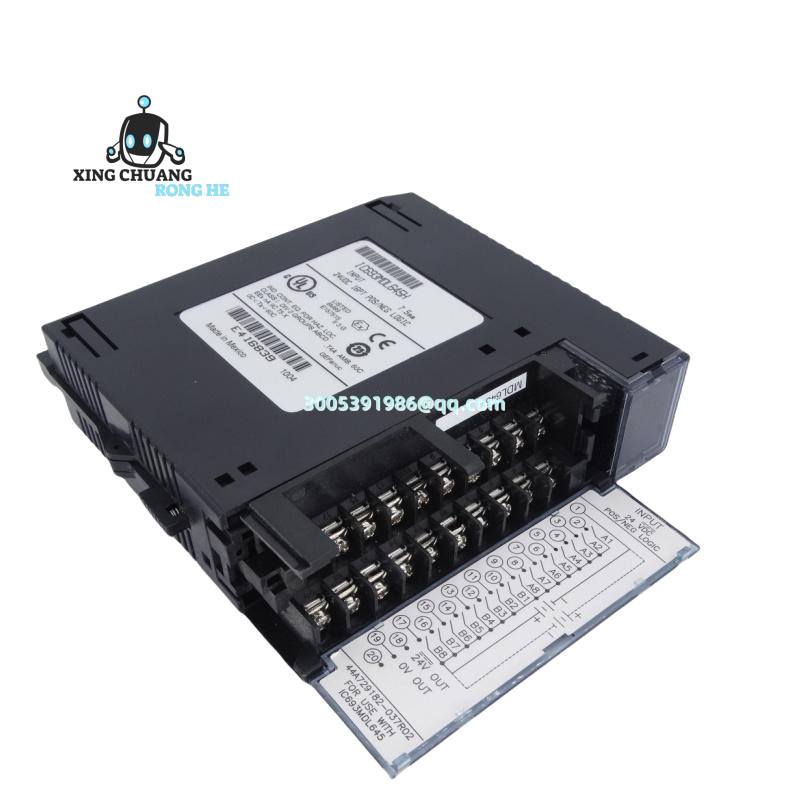
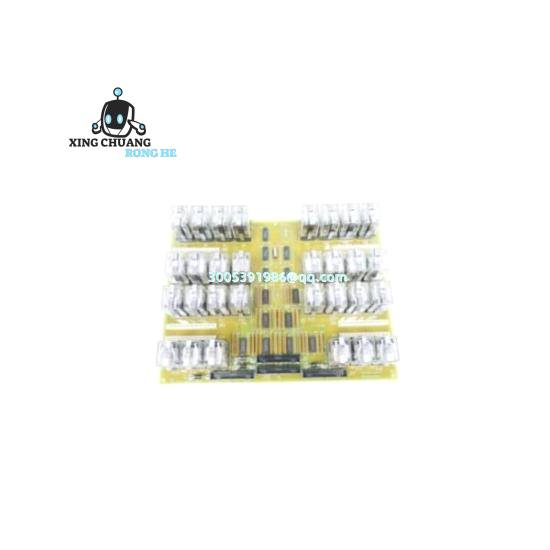
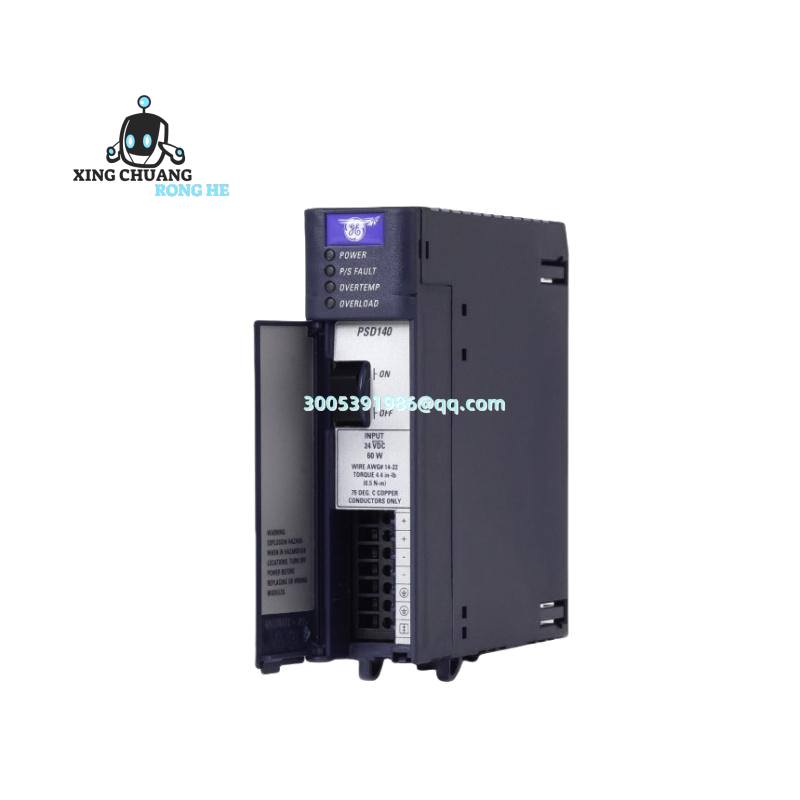
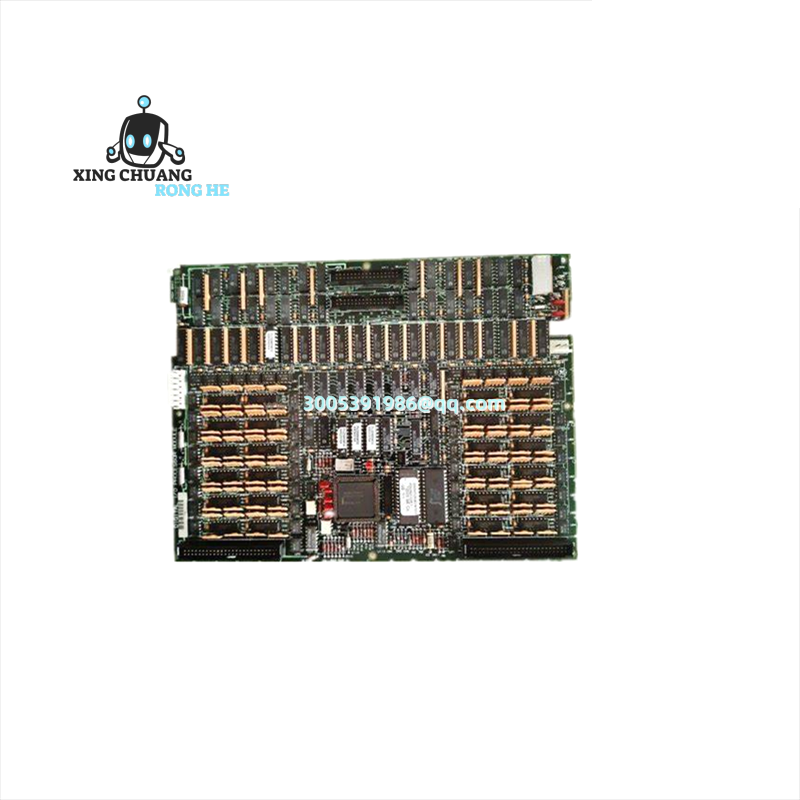
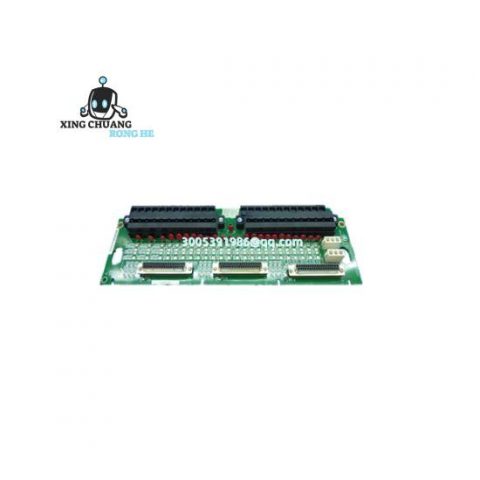
GE 531X304IBDAMG1 Base Drive Card: Keeping AC2000 Systems Running Smooth
This GE drive card handles the heavy lifting for motor control in AC2000 systems—think conveyor belts in mining operations or pump drives in chemical plants where sudden shutdowns mean real money down the drain. It’s not flashy, but when your kiln feed system needs consistent torque control at 3AM, you’ll be glad it’s there doing its job without fuss.
| Brand | General Electric |
| Model | 531X304IBDAMG1 (Note: Watch for older stock labeled F31X304IBDAMG1—same card) |
| Dimensions | 142mm x 105mm x 28mm (fits standard AC2000 slots) |
| Weight | Approx. 0.78 kg with mounting brackets |
| Key Components | IGBTs, snubber circuits, 3-phase gate drivers, thermal sensors |
| Markings | C-ESS, 006/09 batch code (visible near power terminals) |
Saw this card pull double duty last month at a cement plant—kept their raw mill drives stable despite voltage sags from nearby arc furnaces. We regularly handle these for GE AC2000 retrofits, but they also pop up in older Waukesha engine control cabinets and some Woodward governor setups. If you’re running VMIVME-7750 or IS230SRTDH2A modules alongside your drives, this card’s the glue holding it all together. Honestly, most folks don’t realize how often these show up in pulp mill refiners until they’re troubleshooting a trip fault.
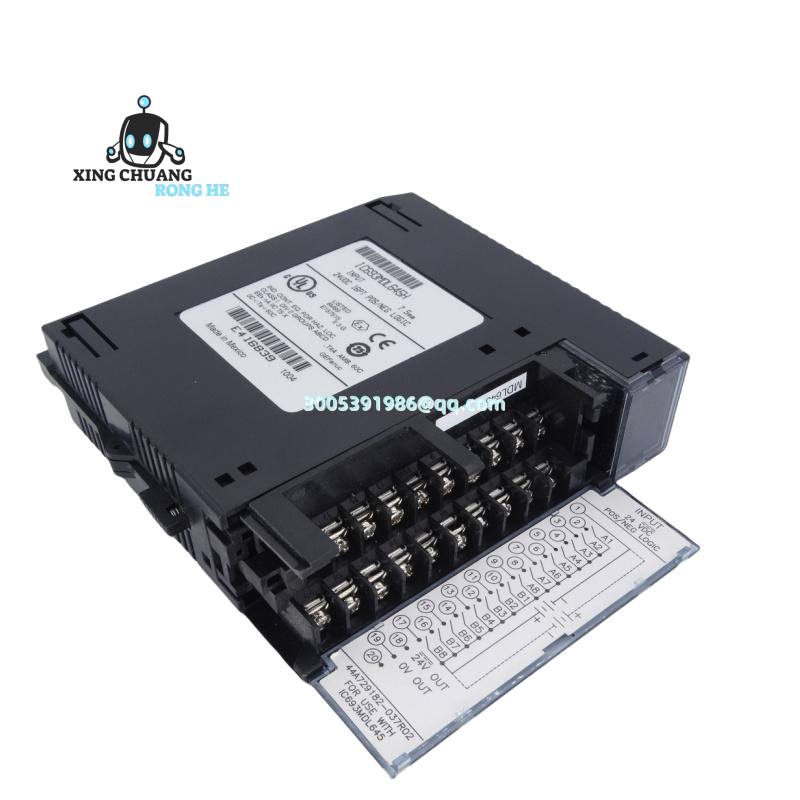
What makes it stick around? Three-phase redundancy built right into the gate drive circuitry—lose one channel, the other two keep the motor spinning. Works with GE’s standard drive firmware but plays nice with third-party VFDs too if you tweak the jumpers (position J5 open for 0-10V input). Personally, I found the thermal protection saves headaches during summer brownouts; that copper heat sink under the IGBTs dumps heat fast. Oh, and skip the “premium” nonsense—it’s rugged because GE over-specs the capacitors. One customer ran these in a paper mill for 12 years straight before swapping them out during a controller upgrade.
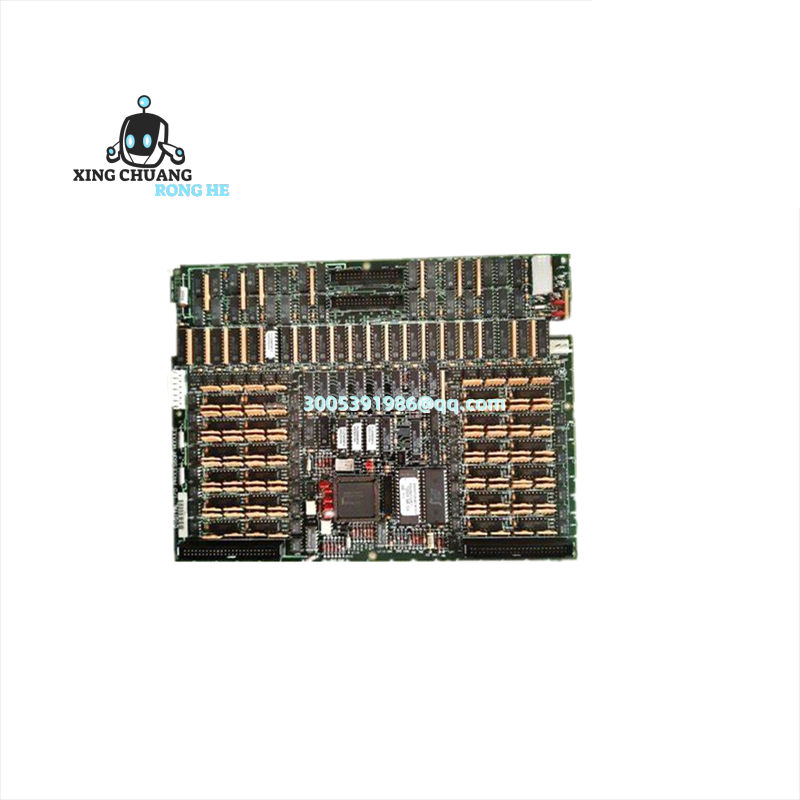
Give it a try next time your drive faults out during load swings—you’ll notice the smoother current transitions immediately. Just remember to check those terminal screws; vibration loosens them over time in crusher applications.
There are no reviews yet.