

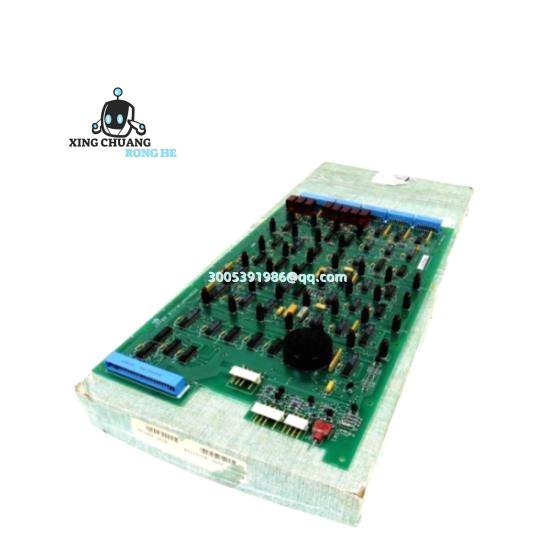
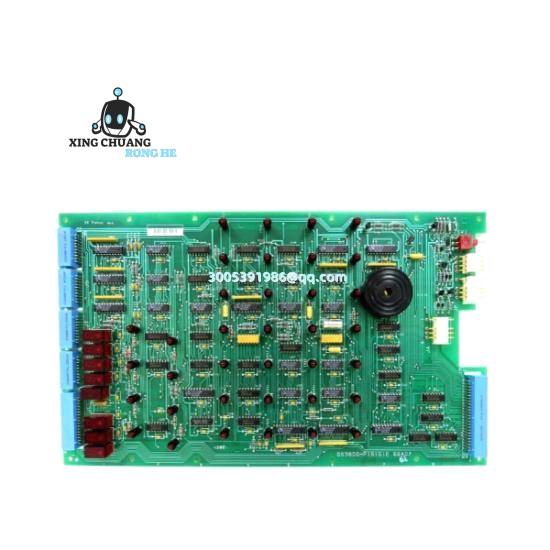
GE DS3800HPIB Panel Interface Board: Keeping Mark IV Turbines Running Smooth
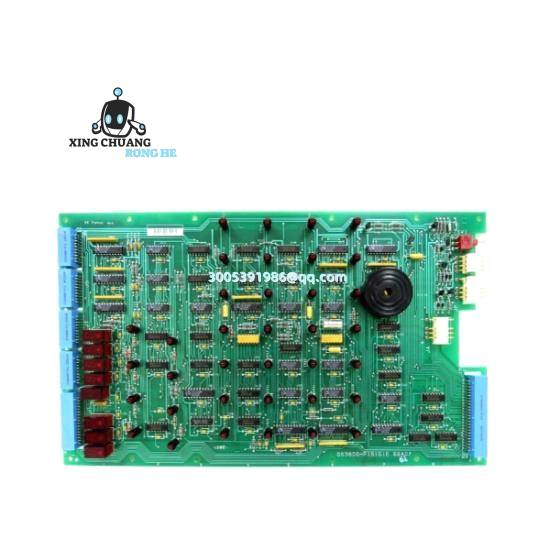
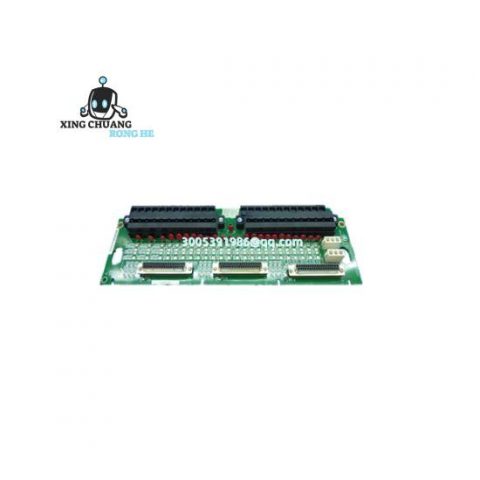
If you’re wrestling with Mark IV turbine control systems, this little workhorse keeps everything talking properly. It’s not exactly glamorous, but when your plant’s humming at 3AM, you’ll be glad it’s there handling communications between controllers, sensors, and operator interfaces without breaking a sweat. Seriously, skip this board and your turbine diagnostics become a guessing game.
| Manufacturer | General Electric |
| Model | DS3800HPIB |
| Type | Panel Interface Board |
| Dimensions | Approx. 12.2″ x 8.1″ (310 x 206 mm) |
| Weight | About 2.4 lbs (1.1 kg) |
| Key Features | 35+ status LEDs, 12 mounting points, 9 female harness ports |
Where You’ll Actually Use This Thing
Spent last month at a Midwest power plant where their Mark IV kept throwing comms errors? Turned out the old interface board couldn’t handle the humidity spikes. Swapped in a DS3800HPIB, and suddenly all those sensor readings stopped dropping. It’s the kind of part you don’t notice until it fails – then everything grinds to a halt. We see it all the time with GE’s older turbine setups, especially paired with modules like the VMIVME-7807 or IS230SRTDH2A. Honestly, if you’re running Mark IV systems, this board’s probably hiding somewhere in your control cabinet right now.
Why It Holds Up When Things Get Messy
Let’s talk specs you actually care about. Those 35 red LEDs? Not just for show – they pinpoint exactly which harness connection’s acting up during graveyard shifts. The 12 screw mounts? Solid as a rock even when your turbine’s vibrating like crazy. And the female harness ports… well, anyone who’s fought with mismatched connectors will appreciate how they snap right into place with standard GE wiring. Personally, I’ve seen plants run these for 15+ years without a hiccup because GE built them to handle voltage spikes and temperature swings that’d fry cheaper boards. It plays nice with the whole Mark IV ecosystem too – no weird compatibility headaches when you’re swapping modules during outages. Sure, it’s not the flashiest component in your cabinet, but when the grid’s demanding power, you’ll want this quietly doing its job.
There are no reviews yet.