

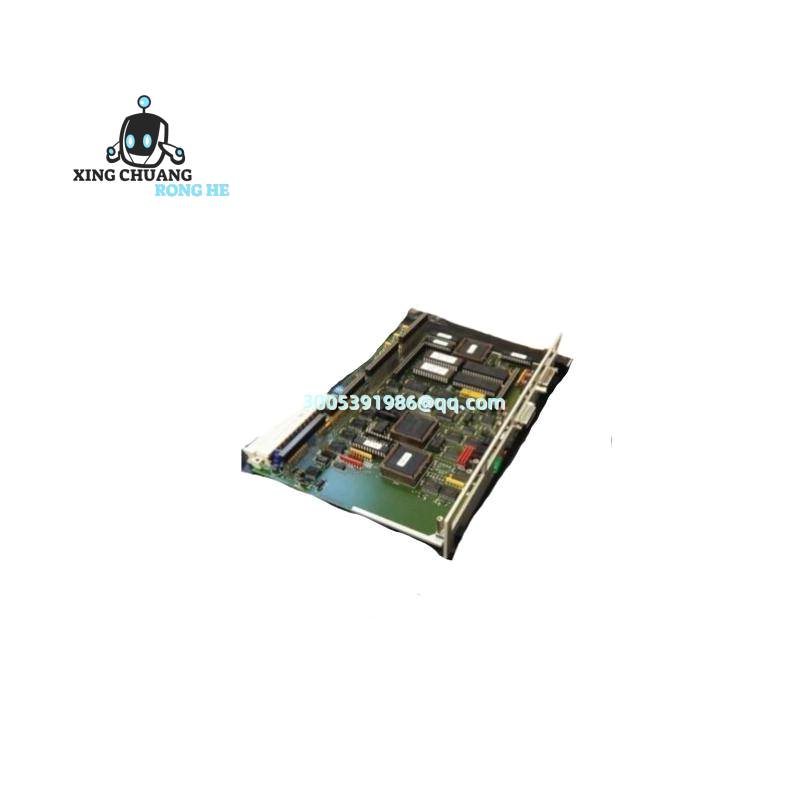
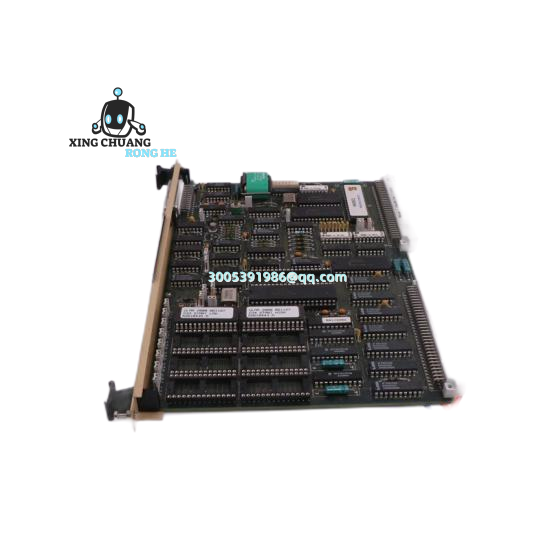
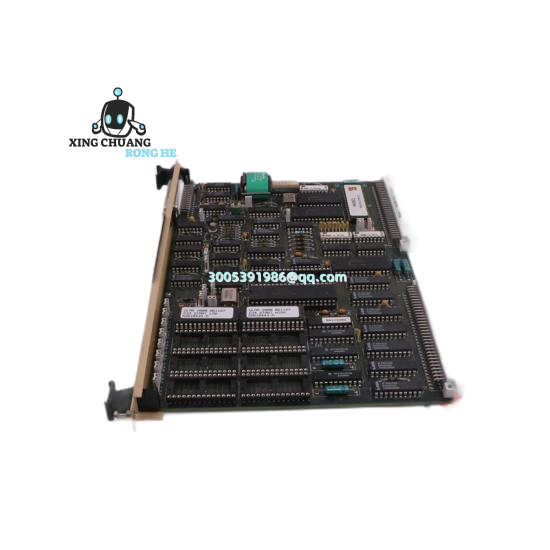
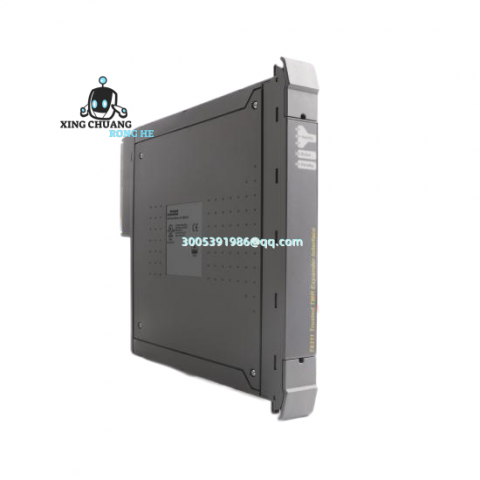
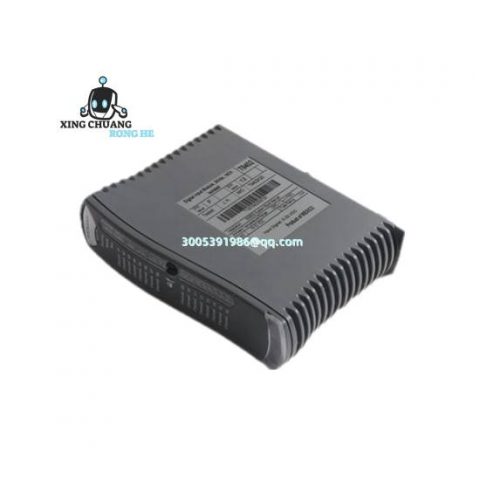
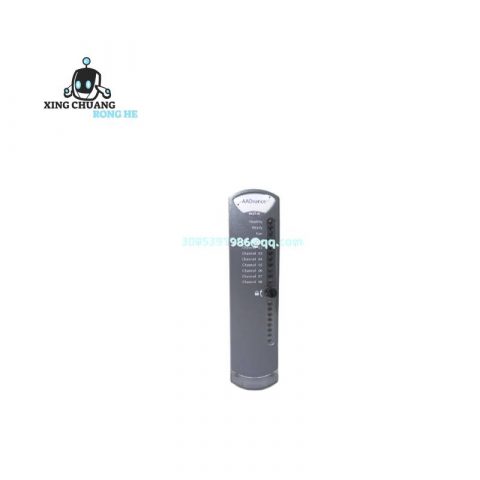
ICS TRIPLEX TRICON 9100 F2 Series – Industrial-Grade Control Module for Critical Processes
This isn’t your average control module—it’s the backbone for facilities where shutdowns cost six figures per hour. The TRICON 9100 F2 handles turbine control in power plants, emergency shutdowns on offshore rigs, and continuous process automation where failure isn’t an option. If your operation runs 24/7 in harsh environments, this triple-redundant beast keeps things humming when cheaper systems tap out.
| Brand | ICS TRIPLEX (Schneider Electric) |
| Model Series | TRICON 9100 F2 Platform (e.g., 3008, 3703X, 3721) |
| Input Voltage | 24 VDC (nominal), 18-32 VDC operating range |
| Dimensions (W×H×D) | 240 × 300 × 220 mm (standard chassis) |
| Weight | Approx. 4.8 kg (fully loaded) |
| Certifications | IEC 61508 SIL 3, FM, ATEX Zone 2 |
Where You’ll Actually Use This Thing
Seen one too many paper mills grind to a halt because of flaky controllers? That’s why places like LNG terminals and chemical plants spec TRICON 9100 F2 variants. We’ve got clients running 3720 modules for compressor control in Alberta’s oil sands—handles -40°C winters without blinking. Or that cement plant in Ohio using 3511 I/O cards to manage kiln temps; their old system crashed every summer. Frankly, if your process involves high-pressure valves or explosive atmospheres, this is the module that won’t quit. Common models we move regularly: 3008 CPUs, 3703X comms modules, 3721 analog inputs, and 4355X digital outputs.
Why It Outlasts the Competition (No Marketing Hype)
Let’s be real—the triple-modular redundancy (TMR) is why anyone pays premium for TRICON. Three processors voting on every output means if one fries during a lightning storm, the others keep running. Saw a refinery in Texas last year where two modules failed simultaneously during a grid surge… system never skipped a beat. Compatibility? Plugs right into legacy TRICON racks (3008/3703 series) but also talks MODBUS TCP to newer DCS like Emerson DeltaV. Oh, and hot-swap capability—no more 3AM shutdowns to replace a card. Personally, I found the diagnostic LEDs save hours during troubleshooting; they’ll pinpoint a failing power supply before the HMI even alarms. Just don’t expect fancy touchscreen interfaces—it’s built for engineers who care about uptime, not pretty dashboards.
There are no reviews yet.