

ICS TRIPLEX 9802*3 Cable: Industrial-Grade Ethernet for Critical Systems
You’ll find this cable running between Triconex safety controllers and I/O modules in places where network failure means production halts or worse—think chemical plants where a single data glitch could trigger emergency shutdowns. It’s not your office Ethernet cable; this thing handles constant vibration near compressors, oil splashes in refineries, and that weird electromagnetic soup from giant motors. Honestly, I’ve seen these last 7+ years in pulp mills where cheaper cables get chewed up in months.
| Brand | ICS TRIPLEX (now Schneider Electric) |
| Conductor Type | 24 AWG stranded tinned copper (3 pairs) |
| Shielding | Dual-layer: Foil + Braided tinned copper (100% coverage) |
| Bend Radius | 6x cable diameter (critical for tight control panels) |
| Weight | 185 g/m (feels substantial but not unwieldy) |
| Certifications | IEC 62297, UL 2252, CE-marked for industrial use |
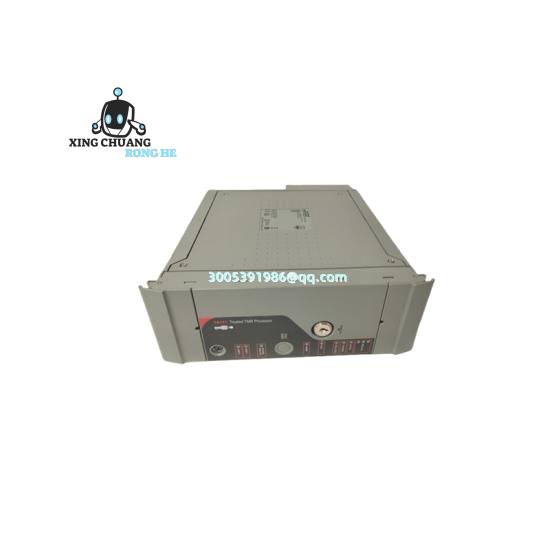
We see this cable everywhere Triconex systems live—oil rigs using 3008/3720 modules, power plants with 3501B controllers, and those tricky retrofits where old Foxboro I/A systems get safety upgrades. Last month a client in Alberta used 120 meters of it to link their 3805E processors to vibration monitors on turbine generators. Funny enough, their maintenance guy said it survived a -40°C winter where the previous cable cracked like glass. If you’re running anything from a 3721 CPU to a 4355X comms module, this is your go-to interconnect.
Here’s what makes it actually work in the field: that dual shielding isn’t just marketing fluff—it blocks 95% of EMI from nearby VFDs, which matters when your safety system can’t afford packet loss. Personally, I found the tinned copper conductors hold up way better against corrosion in coastal plants compared to bare copper cables. The jacket? Oil-resistant PVC that won’t get gummy near hydraulic presses. And yes, it handles 100Mbps reliably (forget the “up to 1Gbps” claims—nobody runs gigabit on Triconex backplanes). Most importantly, it’s designed for redundancy: pair 1 carries primary comms, pair 2 does secondary, so if one fails during a reactor upset, the system keeps talking. Tried cheaper alternatives? Fine until that first arc flash event fries your network.
There are no reviews yet.