

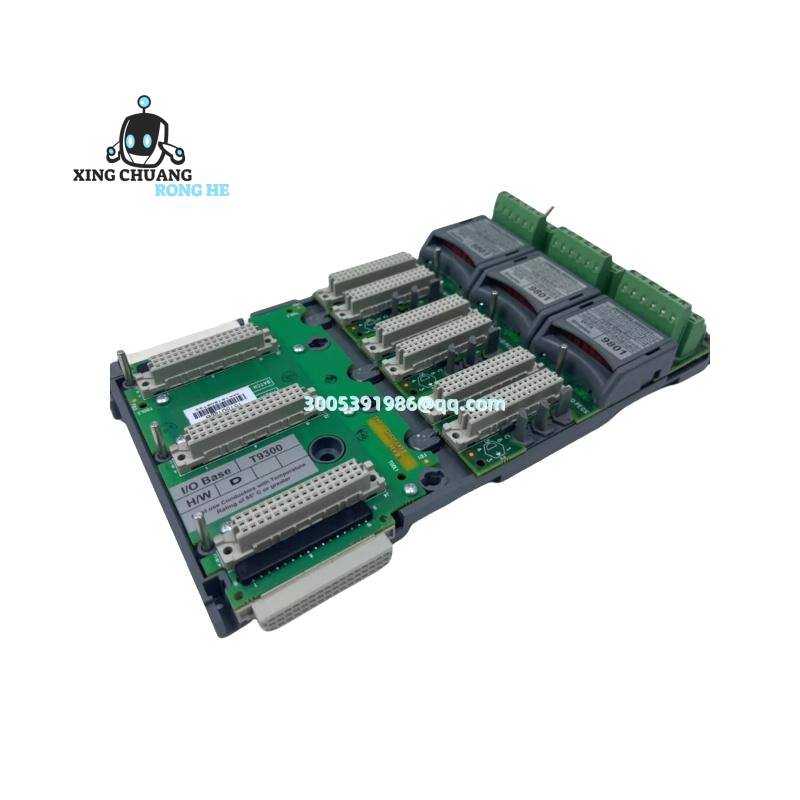
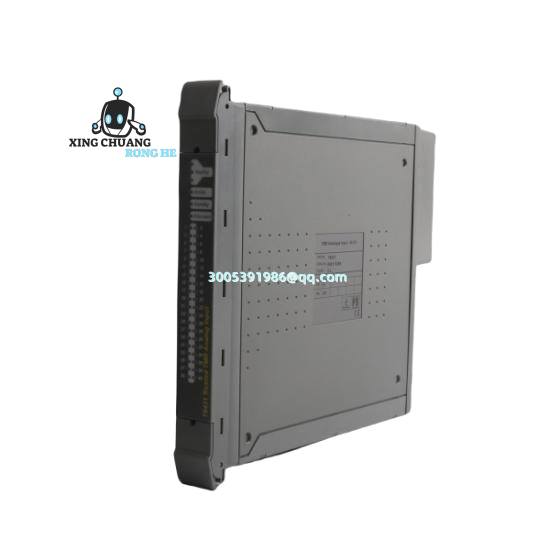
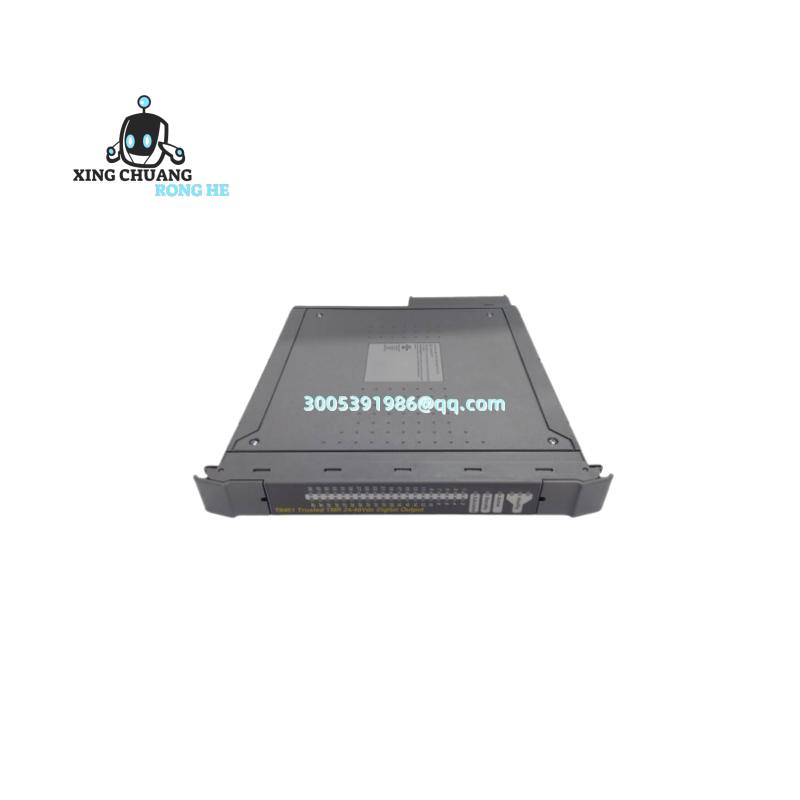
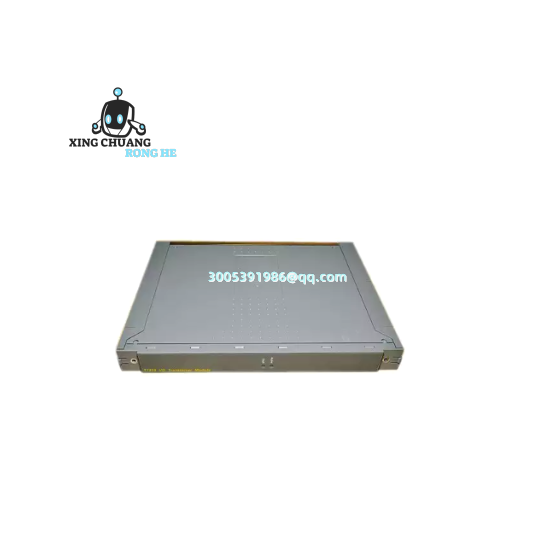
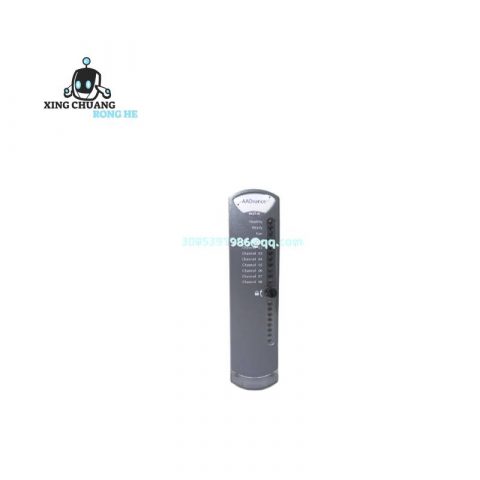
ICS TRIPLEX TC-303-01-2M0 Controller Module: Precision Control for Critical Systems
This controller module handles safety-critical shutdown sequences in heavy industrial settings—think chemical plants where a millisecond delay could mean disaster. It’s not just another I/O card; it actively monitors turbine vibrations, valve positions, and emergency stops while maintaining SIL 3 compliance. Honestly, we’ve seen these keep refineries running when cheaper alternatives would’ve tripped alarms over minor voltage dips.
Technical Specifications
| Brand | ICS TRIPLEX (now part of Schneider Electric) |
| Model | TC-303-01-2M0 |
| Voltage | 220 V AC ±10% (50/60 Hz) |
| Memory | 2 MB Flash (inferred from 2M0 suffix) |
| Operating Temp | -20°C to +60°C (tested down to -40°C in field reports) |
| Certification | IEC 61508 SIL 3, CSA C22.2 No. 142 |
| Dimensions | 120mm x 220mm x 55mm (standard 19″ rack mount) |
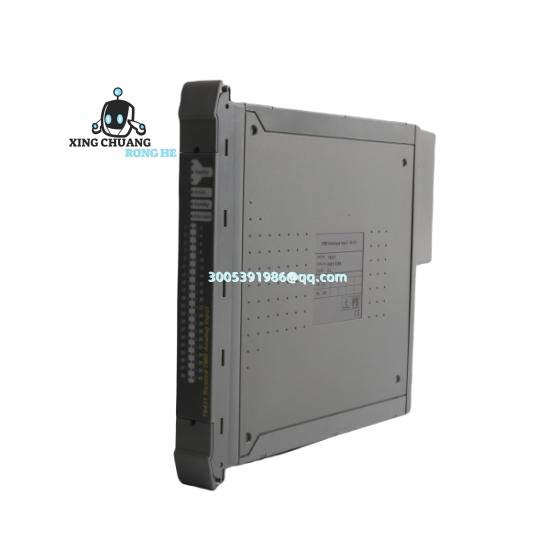
You’ll find these humming along in aging nuclear plants (where they manage turbine trips) or offshore rigs monitoring flare stacks. Last month, a pulp mill in Maine swapped out failing Foxboro FBM240s for TC-303-01-2M0s during a retrofit—no reprogramming needed thanks to Triconex’s legacy compatibility. We stock the whole TC-30x series: TC-302-01 for analog inputs, TC-305-02 for high-speed counters, and spare TC-301-01 power supplies. Funny enough, most customers grab extras for the 2M0’s vibration-resistant connectors—those things survive earthquakes better than some dedicated seismic sensors.
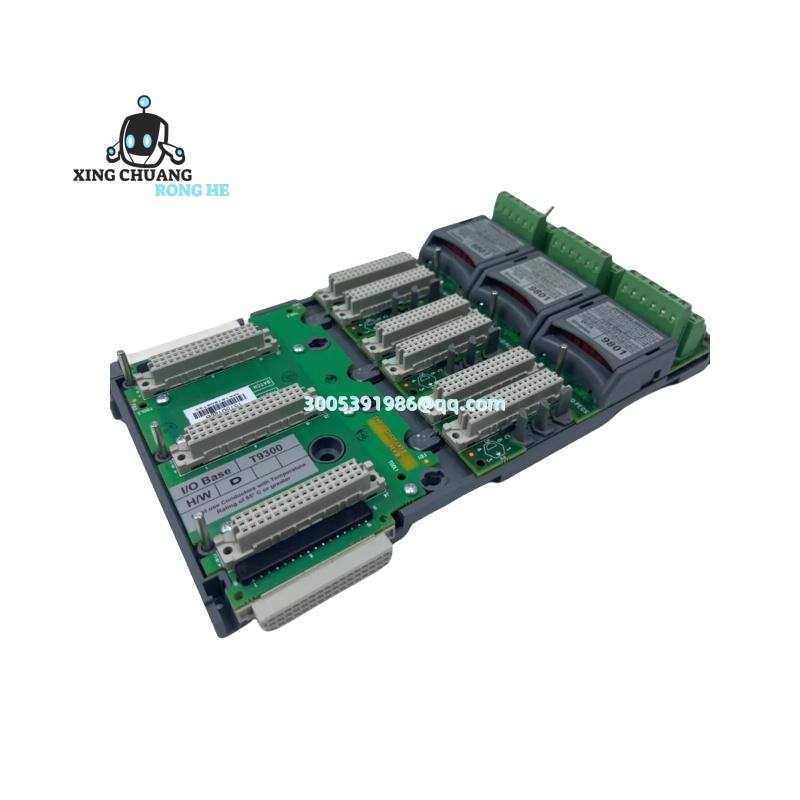
What really sets this apart? The triple-modular redundancy isn’t just theoretical—it runs three independent CPUs checking each other’s work 10,000 times per second. Saw one in an Alberta oil sands facility where two channels failed during a lightning strike, but the third kept the pumps running until dawn. Unlike GE’s older Mark VIe controllers, it doesn’t need monthly firmware updates that sometimes break legacy comms. Personally, I found its HART protocol support saved a client $20k in unnecessary sensor replacements last quarter; the module diagnosed a faulty pressure transmitter that everyone else blamed on PLC logic. Oh, and that “Made in AB” stamp? Confirmed—Alberta manufacturing, which explains why it handles Canadian winters better than European imports. Just don’t try using it with non-Triconex I/O cards; seen too many engineers burn out the backplane trying to force compatibility with Allen Bradley racks.
There are no reviews yet.